
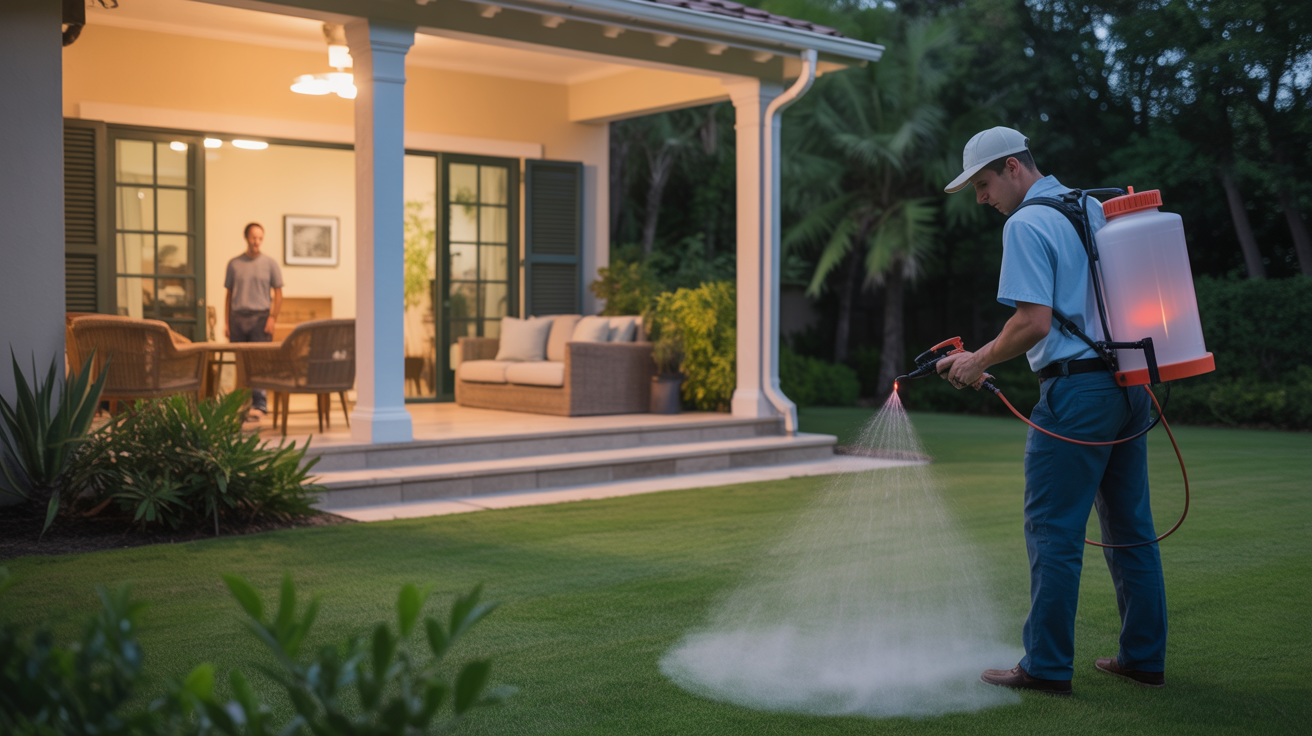
Mosquito misting systems promise automated relief from biting mosquitoes, but do they deliver on their expensive promises? After years of evaluating pest control solutions across Texas, Oklahoma, Louisiana, and Mississippi, I've seen homeowners invest thousands in these systems—with mixed results. This comprehensive guide breaks down everything you need to know before making this significant investment.
What Are Mosquito Misting Systems and How Do They Work?
Mosquito misting systems are automated networks of spray nozzles installed around your property's perimeter. These systems release timed bursts of insecticide, typically pyrethrin-based chemicals, to kill mosquitoes on contact and create a temporary barrier.
The basic components include:
- Control unit: The brain of the system, housing pumps, timers, and chemical reservoir
- Tubing network: High-pressure lines running to spray locations
- Spray nozzles: Strategically placed around patios, pools, and outdoor living areas
- Remote control: Allows manual activation before outdoor events
Most systems activate automatically 2-3 times daily for 30-45 seconds, typically at dawn and dusk when mosquitoes are most active. The mist settles on vegetation and surfaces, killing mosquitoes that land there for several hours.
Ready to Get Started?
Free quote • No obligation • Same-day service available
The Real Pros: When Misting Systems Shine
Immediate Knockdown Effect
Misting systems excel at killing mosquitoes present during spraying. The pyrethrin insecticides used provide rapid knockdown, clearing your patio or pool area within minutes of activation. For immediate relief before outdoor gatherings, this instant effect is genuinely valuable.
Convenience and Automation
Once installed, these systems require minimal daily involvement. The automated schedule means consistent treatment without remembering to spray repellent or set up fans. For busy homeowners who entertain frequently, this convenience factor is significant.
Coverage of Large Areas
Professional installations can treat extensive properties—up to several acres with sufficient nozzle placement. This makes them appealing for large yards where manual treatment would be impractical.
Customizable Timing
Modern systems allow programming around your schedule. You can increase frequency during peak mosquito season or activate the system before outdoor events.
Learn more about our mosquito control services
The Significant Cons: Why Many Homeowners Are Disappointed
High Installation and Maintenance Costs
Professional installation typically ranges from $2,000-$4,500 for average residential properties. Annual chemical refills cost $300-$600, plus potential repair costs for nozzle clogs, pump failures, or tubing damage. Over five years, total investment often exceeds $5,000.
Limited Residual Protection
Unlike professional barrier treatments that provide weeks of protection, misting systems only kill mosquitoes present during the 30-45 second spray cycle. New mosquitoes can enter your yard within hours, requiring multiple daily treatments.
Environmental and Health Concerns
The EPA notes that frequent pesticide applications can impact beneficial insects, including pollinators. Pyrethrin, while derived from natural sources, still affects bees, butterflies, and other non-target species. Additionally, the fine mist can drift beyond intended areas, potentially affecting neighbors' properties.
Weather Dependency
Wind disperses the mist unevenly, reducing effectiveness. Rain washes away residual protection immediately. During our humid Gulf Coast summers, afternoon thunderstorms frequently interrupt treatment schedules.
Mosquito Behavior Patterns
Mosquitoes don't just fly through your yard randomly. They breed in water sources and rest in vegetation during the day. Misting systems don't address breeding sites—the root cause of mosquito problems. According to Texas A&M AgriLife Extension, eliminating breeding sources is far more effective than killing adult mosquitoes.
What the Science Says: Research-Based Effectiveness
University studies on automated misting systems show mixed results. Research from the University of Florida found that while systems provide immediate mosquito reduction, they require optimal conditions to maintain effectiveness:
- Wind speed: Must be under 10 mph for proper coverage
- Nozzle maintenance: Clogs reduce effectiveness by 40-60%
- Chemical concentration: Must be precisely calibrated for local mosquito species
- Placement accuracy: Nozzles must target actual mosquito resting areas
The CDC emphasizes that effective mosquito control requires an integrated approach focusing on breeding site elimination, not just adult mosquito killing.
Better Alternatives: More Effective, Less Expensive Solutions
Professional Barrier Treatment
Monthly professional mosquito control treatments cost $100-150 per month but provide superior results. These treatments target mosquito resting areas with longer-lasting insecticides, providing 3-4 weeks of protection per application.
Barrier treatments offer several advantages:
- Longer residual protection (3-4 weeks vs. hours)
- Targeted application to actual mosquito habitats
- Professional identification and treatment of breeding sources
- Lower annual cost than misting systems
- No maintenance requirements for homeowners
Source Reduction: The Most Effective Approach
Eliminating breeding sites provides permanent mosquito reduction without ongoing chemical applications. Focus on:
- Standing water elimination: Empty containers, fix drainage issues, treat decorative ponds
- Vegetation management: Trim overgrown shrubs where mosquitoes rest
- Gutter maintenance: Clean gutters prevent water accumulation
- Pool maintenance: Proper chlorination and circulation prevent breeding
Strategic Landscaping
Plant mosquito-repelling species around outdoor living areas:
- Citronella grass (Cymbopogon nardus)
- Marigolds (Tagetes species)
- Lavender (Lavandula species)
- Catnip (Nepeta cataria)—research shows it's 10x more effective than DEET
Physical Barriers
Outdoor fans create air movement that makes flying difficult for mosquitoes. Ceiling fans over patios or portable fans around seating areas provide immediate relief without chemicals.
Regional Considerations for Gulf Coast Homeowners
Our climate presents unique challenges for mosquito control:
High Humidity
Humidity levels above 80% allow mosquitoes to remain active longer and survive in areas that would be too dry in other climates. Misting systems must compete with ideal mosquito conditions year-round.
Frequent Rainfall
Average annual rainfall of 40-60 inches across our service areas creates abundant breeding opportunities. Temporary puddles, storm drains, and saturated vegetation provide breeding sites faster than misting systems can eliminate them.
Multiple Mosquito Species
Our region hosts over 80 mosquito species with different behaviors, breeding preferences, and activity patterns. Aedes aegypti (yellow fever mosquito) and Aedes albopictus (Asian tiger mosquito) are aggressive day-biters that don't follow typical dawn/dusk patterns targeted by standard misting schedules.
| Species | Peak Activity | Breeding Sites | Misting Effectiveness |
|---|---|---|---|
| Aedes aegypti | Daytime | Containers | Poor (wrong timing) |
| Culex quinquefasciatus | Dusk/Dawn | Storm drains | Moderate |
| Anopheles quadrimaculatus | Night | Permanent water | Poor (wrong timing) |
Making the Right Decision: Key Questions to Ask
Before investing in a misting system, honestly assess these factors:
- Budget: Can you afford $3,000-5,000 over five years for moderate mosquito reduction?
- Property size: Is your yard large enough to benefit from a misting system?
- Environmental impact: Are you comfortable with the potential impact on non-target species?
- Alternative solutions: Have you considered professional barrier treatments or source reduction?
Company History & Achievements
Romex Pest Control has been a leader in pest management solutions since 2005, serving the Gulf Coast region with a commitment to innovation and customer satisfaction. Our team includes certified entomologists and experienced technicians who stay updated with the latest industry developments. We have been recognized for our excellence in service and have contributed to numerous community initiatives focused on sustainable pest control practices.
Contact Us
For more information on our services or to schedule a consultation, please visit our Contact Page or call us at 1-800-555-0199. Our team is ready to assist you with all your pest control needs.
FAQ
Q: How often should I use a mosquito misting system?
A: Most systems are set to activate 2-3 times daily, but frequency can be adjusted based on mosquito activity and weather conditions.
Q: Are there any health risks associated with misting systems?
A: While the chemicals used are tested and approved, they can affect non-target species and should be used with caution.
Conclusion
Mosquito misting systems offer a convenient solution for immediate mosquito relief but come with significant costs and limitations. By understanding the pros and cons and considering alternative solutions, you can make an informed decision that best suits your needs and budget. For expert advice and professional services, Romex Pest Control is here to help.