
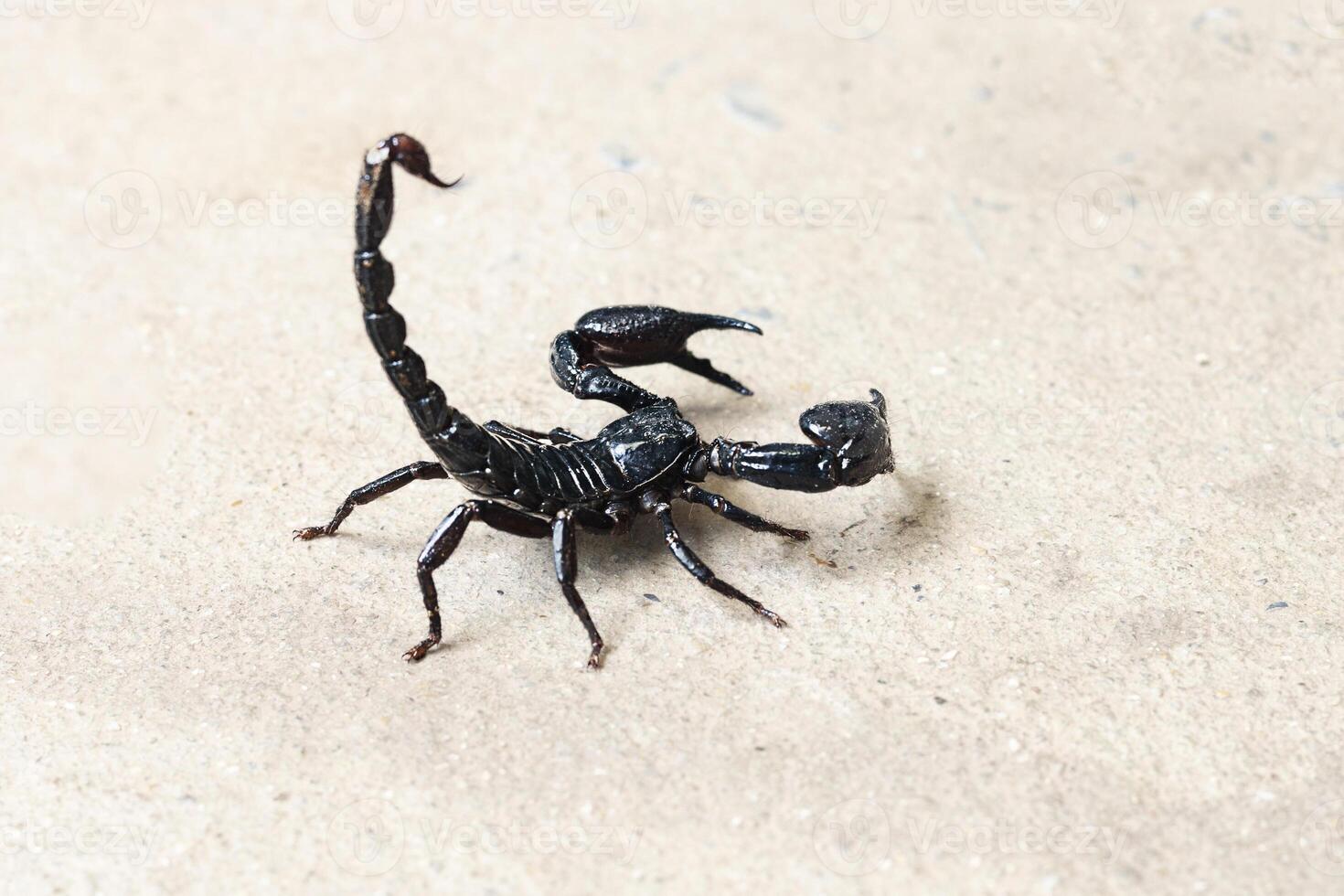
Understanding the Pest Problem in Oklahoma City
Oklahoma City's climate, characterized by hot, humid summers and mild winters, creates ideal conditions for cockroach and scorpion infestations. According to the Oklahoma Mesonet, summer humidity levels often exceed 70%, fostering environments where pests thrive. The city's older housing stock, with over 40% of homes built before 1980 (Census data), further exacerbates the issue due to structural vulnerabilities.
Ready to Get Started?
Free quote • No obligation • Same-day service available
Romex Pest Control: Our History and Achievements
Romex Pest Control has been serving the Oklahoma City area for over 20 years, providing tested and approved pest management solutions. Our team is certified by the National Pest Management Association (NPMA) and has received multiple awards for excellence in service delivery.
Common Cockroach Species in Oklahoma City
German Cockroaches: The Kitchen Invaders
German cockroaches are the most prevalent indoor pest in Oklahoma City. These insects prefer warm, humid areas near food and water sources. They are nocturnal, so daytime sightings often indicate a severe infestation.
American Cockroaches: The Sewer Roaches
These large, reddish-brown cockroaches typically enter homes through plumbing systems, especially during heavy rains. They are commonly found in basements and crawl spaces.
Oriental Cockroaches: The Outdoor Invaders
Oriental cockroaches migrate indoors during extreme temperatures. They prefer cool, damp areas such as basements and bathrooms.
Health Risks: Why Cockroaches Are More Than Just Disgusting
Cockroaches carry over 30 types of bacteria, including Salmonella and E. coli (CDC). They are also a significant asthma trigger, particularly in children (University of Kentucky Entomology).
| Health Problem | Caused By | Most At Risk |
|---|---|---|
| Asthma attacks | Airborne allergens from feces and shed skin | Children under 12 |
| Food poisoning | Bacteria transferred to food surfaces | Elderly and immunocompromised |
| Allergic dermatitis | Direct contact with cockroach particles | Individuals with existing allergies |
DIY Cockroach Control: What Actually Works in Oklahoma's Climate
Step 1: Eliminate Water Sources
Fix leaky pipes and use dehumidifiers to keep humidity below 50%. Wipe down surfaces to remove condensation.
Step 2: Seal Entry Points
Seal cracks around plumbing and install door sweeps before peak seasons.
Step 3: Strategic Baiting
Use gel baits instead of sprays. Place bait in areas where droppings are found.
Step 4: Monitor and Document
Use sticky traps to monitor cockroach activity and adjust strategies accordingly.
When DIY Fails: Recognizing the Need for Professional Help
If DIY methods are ineffective, especially in older neighborhoods, professional intervention is necessary. Contact Romex Pest Control if you notice more than five cockroaches in traps weekly, daytime activity, egg cases, persistent odors, or increased asthma symptoms.
Seasonal Cockroach Patterns in Oklahoma City
Spring: The Great Migration
Outdoor species move indoors during storms and temperature drops. Seal entry points and use preventive baits.
Summer: Peak Breeding Season
Focus on moisture control and aggressive baiting as reproduction rates increase.
Fall: Second Wave
Outdoor species seek warm overwintering sites. Refresh entry seals before the first freeze.
Winter: Indoor Focus
Monitor indoor populations near heat sources.
Oklahoma City Neighborhood-Specific Challenges
Historic Districts
Older homes require attention to foundation cracks and plumbing updates.
New Developments
Construction disturbances can drive pests indoors. Regular inspections are recommended.
FAQ: Common Pest Control Questions
How often should I have my home inspected for pests?
It's recommended to have a professional inspection at least once a year, or more frequently if you live in an area prone to infestations.
Are your pest control methods safe for pets?
Our methods are professionally tested and approved, ensuring minimal risk to pets when used as directed.
Key Takeaways
- Humidity and older homes contribute to pest problems in OKC.
- Cockroaches pose significant health risks, including asthma and foodborne illnesses.
- DIY methods include eliminating water sources, sealing entry points, and strategic baiting.
- Professional help is advised for severe infestations.