
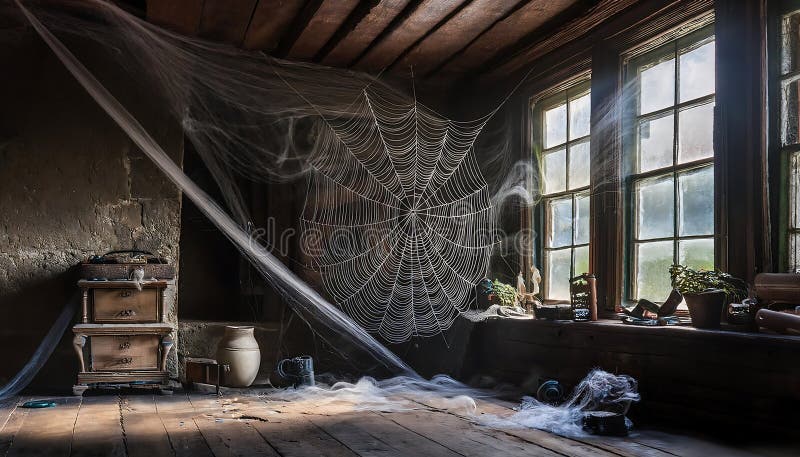
That spider you just spotted scurrying across your bathroom floor isn't necessarily the enemy you think it is. While most homeowners' first instinct is to reach for the nearest shoe or spray bottle, the reality about house spiders is far more nuanced than the fear-driven narratives we often hear.
After years of helping families across the South deal with spider concerns, I've learned that education beats panic every time. The truth is, most spiders in your home are harmless beneficial predators that actually help control other pest populations. But knowing which ones deserve your respect—and which ones require immediate professional attention—can literally be a matter of life and death.
The Spider Reality Check: What's Actually Living in Your Home
Let's start with some perspective. According to entomologists, the average American home contains anywhere from 30 to 100 spider species at any given time. Before you start hyperventilating, understand that most of these are tiny, harmless creatures living quietly in corners, basements, and wall voids where you'll never encounter them.
In our service regions across Texas, Oklahoma, Louisiana, and Mississippi, we consistently encounter the same handful of species in residential settings:
The Harmless Majority
- Common House Spiders (Parasteatoda tepidariorum): Those small, brownish spiders building messy webs in corners
- Cellar Spiders (Pholcus phalangioides): Long-legged spiders often called "daddy longlegs" found in basements and garages
- Wolf Spiders (Lycosidae family): Robust, hairy spiders that hunt on the ground rather than building webs
- Jumping Spiders (Salticidae family): Small, often colorful spiders with excellent vision that hunt during the day
The Medically Significant Species
Only two spider species in our region pose genuine health risks to humans:
- Black Widow (Latrodectus mactans): Shiny black with a distinctive red hourglass marking on the abdomen
- Brown Recluse (Loxosceles reclusa): Light to medium brown with a violin-shaped marking on the cephalothorax
Ready to Get Started?
Free quote • No obligation • Same-day service available
Debunking Common Spider Myths That Keep You Awake at Night
Let's address the misconceptions that fuel unnecessary spider anxiety:
Myth 1: "Spiders are aggressive and will bite you in your sleep"
Reality: Spiders are prey animals that avoid human contact at all costs. They only bite when directly threatened or accidentally trapped against skin. Most suspected "spider bites" are actually other skin conditions, according to research published by university extension services.
Myth 2: "All spider bites are dangerous"
Reality: Even bites from medically significant species often result in minor symptoms. The Texas A&M AgriLife Extension notes that severe reactions occur in less than 1% of documented black widow bites, and many brown recluse bites heal without medical intervention. (Texas A&M AgriLife Extension)
Myth 3: "Brown recluse spiders are everywhere in the South"
Reality: True brown recluse populations are actually limited to specific geographic regions. Many spiders are misidentified as brown recluses. Oklahoma State University Extension emphasizes that proper identification requires examining eye arrangement and other specific anatomical features. (Oklahoma State University Extension)
Myth 4: "House spiders come inside from outdoors"
Reality: Most common house spiders are actually indoor specialists that have lived in human structures for generations. They're poorly adapted to outdoor survival and aren't "invading" from your yard.
The Hidden Benefits: Why Some Spiders Are Your Home's Best Friends
Before you declare war on every eight-legged creature in your house, consider what they're doing for you:
- Pest Control Services: A single spider consumes approximately 2,000 insects per year, including flies, mosquitoes, moths, and other nuisance pests
- Disease Vector Reduction: By controlling fly and mosquito populations, spiders indirectly reduce your exposure to disease-carrying insects
- Natural Ecosystem Balance: Spiders help maintain the delicate balance that keeps any one pest species from exploding in population
| Spider Type | Primary Prey | Benefit to Homeowners |
|---|---|---|
| House Spiders | Flies, gnats, small moths | Reduces flying insect nuisance |
| Wolf Spiders | Crickets, roaches, other ground insects | Controls crawling pest populations |
| Jumping Spiders | Flies, mosquitoes, small flying insects | Active daytime pest control |
When to Worry: Red Flags That Require Immediate Action
While most spider encounters are harmless, certain situations demand immediate attention:
Immediate Medical Attention Required:
- Any bite from a confirmed black widow or brown recluse
- Bite symptoms including severe pain, muscle cramping, or spreading tissue damage
- Signs of infection at bite sites
- Allergic reactions including difficulty breathing or widespread swelling
Professional Pest Control Warranted:
- Confirmed black widow or brown recluse populations in living spaces
- Large numbers of spiders in areas where children play
- Spider populations that interfere with daily activities
- Webs and spiders in food preparation areas
Practical Spider Management: What Actually Works
Effective spider management focuses on long-term prevention rather than reactive killing:
Reduce Spider Food Sources
- Install door sweeps and seal gaps around windows
- Repair screens to keep flying insects out
- Address moisture issues that attract prey insects
- Keep outdoor lighting away from entry points
Eliminate Hiding Places
- Declutter basements, attics, and storage areas
- Vacuum regularly, paying attention to corners and crevices
- Remove webs promptly to discourage re-establishment
- Seal cracks and gaps where spiders might hide
Natural Deterrents That Actually Work
Unlike many "natural" pest control myths, these methods have scientific backing:
- Diatomaceous earth: Food-grade DE creates a physical barrier that damages spider exoskeletons
- Essential oil sprays: Peppermint and tea tree oils can repel spiders when applied to entry points
- Sticky traps: Monitor spider activity and capture individuals without pesticides
Regional Considerations for Southern Homeowners
Our climate across Texas, Oklahoma, Louisiana, and Mississippi creates unique spider management challenges:
Seasonal Patterns
Spider activity peaks during different seasons depending on species:
- Spring (March-May): Increased activity as spiders emerge from winter hiding spots
- Late Summer (August-September): Peak breeding season brings spiders into homes seeking mates
- Fall (October-November): Spiders seek warm overwintering sites, often in human structures
Climate-Specific Challenges
- High Humidity: Creates ideal conditions for both spiders and their prey insects
- Mild Winters: Allow year-round spider activity unlike northern climates
- Frequent Rain: Drives outdoor spiders to seek dry shelter indoors
When DIY Isn't Enough: Professional Intervention
Certain situations require professional expertise that goes beyond basic homeowner capabilities:
- Species Identification: Distinguishing between harmless and dangerous species requires trained expertise
- Population Assessment: Determining whether spider numbers indicate an underlying pest problem
- Comprehensive Treatment Plans: Professional pest control services can provide targeted treatments that are tested and approved for safety and effectiveness
For more information on how Romex Pest Control can assist you, visit our spider control services page.