
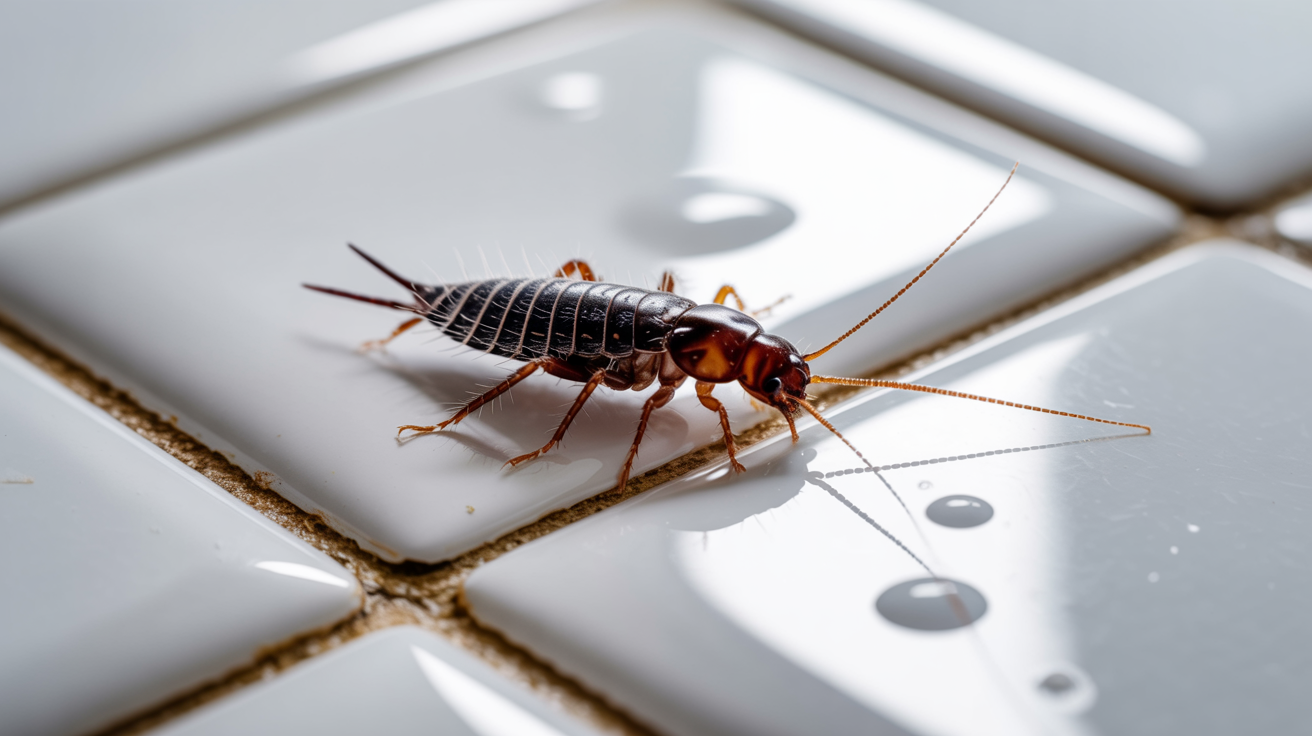
The Complete Guide to Silverfish: Identification, Damage, and Prevention
That metallic flash darting across your bathroom floor at 2 AM isn't your imagination—it's likely a silverfish. These primitive insects have been creeping out homeowners for millennia, and for good reason. While they won't bite you, silverfish can cause significant damage to your belongings and indicate serious moisture problems in your home.
In the humid climates of Texas, Oklahoma, Louisiana, and Mississippi, silverfish thrive year-round. Understanding these ancient pests is your first step toward protecting your home and belongings from their destructive feeding habits.
Ready to Get Started?
Free quote • No obligation • Same-day service available
Silverfish Identification: Know Your Enemy
Silverfish (Lepisma saccharina) are among the most primitive insects on Earth, virtually unchanged for over 400 million years. Here's how to identify them with confidence:
Physical Characteristics
- Size: 12-19mm (0.5-0.75 inches) long, not including antennae
- Shape: Elongated, flattened body that tapers from head to tail
- Color: Metallic silver to gray, sometimes with a bluish tint
- Scales: Body covered in tiny scales that give them their distinctive shimmer
- Movement: Quick, fish-like wiggling motion when disturbed
- Antennae: Long, thread-like antennae extending from the head
- Tail appendages: Three long, bristle-like appendages at the rear
Common Look-Alikes
Don't confuse silverfish with these similar pests:
- Firebrats: Nearly identical but prefer warmer areas (above 90°F) and have a more mottled appearance
- House centipedes: Much longer legs, faster movement, and beneficial predators
- Carpet beetle larvae: Shorter, more oval-shaped, and covered in bristly hairs
Where Silverfish Hide and Why
According to Penn State Extension research, silverfish require three conditions to thrive: moisture, starch-based food sources, and temperatures between 70-80°F. This makes many areas of your home perfect silverfish habitat.
Prime Silverfish Locations
| Location | Why They Love It | What to Check |
|---|---|---|
| Bathrooms | High humidity from showers | Behind toilets, under sinks, in shower corners |
| Basements | Cool, damp, undisturbed | Storage boxes, around water heaters, near foundation walls |
| Attics | Insulation provides shelter | Around roof leaks, near stored books/papers |
| Kitchens | Food sources and moisture | Under appliances, in pantries, behind cabinets |
| Laundry rooms | Humidity from washers/dryers | Around utility connections, in lint accumulation areas |
In Gulf Coast regions like Louisiana and Mississippi, silverfish remain active year-round due to consistently high humidity. Texas and Oklahoma homes see peak activity during humid summer months and in climate-controlled indoor environments during winter.
The Real Cost of Silverfish Damage
Silverfish don't just look creepy—they can cause expensive damage to irreplaceable items. Their diet consists primarily of carbohydrates, cellulose, and proteins found in common household materials.
What Silverfish Destroy
- Books and documents: They eat the binding glue, paper, and even ink
- Photographs: The gelatin coating on photos is a silverfish delicacy
- Wallpaper: They consume the paste behind wallpaper, causing peeling
- Clothing: Natural fibers like cotton, linen, and silk are vulnerable
- Stored food: Cereals, flour, and other pantry staples
- Cardboard boxes: The starch in cardboard provides both food and shelter
Signs of Silverfish Damage
Look for these telltale signs:
- Small, irregular holes in paper, books, or clothing
- Yellow stains on fabrics
- Small black pepper-like droppings
- Shed scales and skins in quiet areas
- Irregular scrape marks on wallpaper or book covers
Immediate Action Steps You Can Take Today
Don't wait for professional help—start these proven silverfish prevention strategies immediately:
Moisture Control (Most Critical)
- Fix all water leaks immediately: Check under sinks, around toilets, and inspect all plumbing connections
- Improve ventilation: Run bathroom fans during and for 30 minutes after showers
- Use dehumidifiers: Maintain humidity below 50% in basements and other problem areas
- Seal foundation cracks: Use appropriate caulk for cracks where moisture enters
Food Source Elimination
- Store vulnerable items properly: Use airtight plastic containers for books, documents, and clothing in storage
- Regular cleaning: Vacuum cracks, crevices, and behind appliances weekly
- Remove cardboard: Replace cardboard storage boxes with plastic bins
- Seal pantry items: Store cereals, flour, and grains in sealed containers
Physical Barriers
- Apply diatomaceous earth (food-grade) in cracks and crevices
- Use sticky traps along baseboards to monitor activity
- Seal gaps around pipes and electrical outlets with appropriate materials
- Install door sweeps on basement and utility room doors
When DIY Methods Aren't Enough
While the above strategies work for minor silverfish problems, extensive infestations require professional intervention. Consider calling for help when:
- You see silverfish during daylight hours (indicates large population)
- You find damage to multiple books, documents, or clothing items
- DIY efforts show no reduction in activity after 4-6 weeks
- You discover silverfish in multiple rooms or floors of your home
Professional silverfish control combines targeted treatments with comprehensive moisture management strategies that address root causes, not just symptoms.
Regional Considerations for Southern States
Homes in Texas, Oklahoma, Louisiana, and Mississippi face unique silverfish challenges:
Texas Climate Factors
The diverse Texas climate means silverfish behavior varies significantly by region. East Texas humidity mirrors Louisiana conditions, while West Texas dryness pushes silverfish into artificially humid indoor spaces like bathrooms and laundry rooms.
Oklahoma Seasonal Patterns
Oklahoma's temperature swings drive silverfish deeper into homes during winter months. Basements and crawl spaces become prime habitat when outdoor conditions become harsh.
Gulf Coast Humidity
Louisiana and Mississippi's year-round humidity creates ideal silverfish conditions. Homes in these areas require aggressive moisture control and regular monitoring to prevent infestations.
Long-Term Prevention Strategy
Successful silverfish prevention requires ongoing attention to your home's environment:
- Monthly inspections: Check all moisture-prone areas for signs of activity
- Seasonal maintenance: Clean gutters, inspect roof leaks, service HVAC systems
- Storage management: Rotate stored items, inspect for damage quarterly
- Humidity monitoring: Use hygrometers to track moisture levels in problem areas
Frequently Asked Questions
Are silverfish harmful to humans?
While silverfish are not harmful to humans, they can cause significant damage to household items.
How do I know if I have a silverfish infestation?
Look for signs such as shed skins, small holes in paper or clothing, and yellow stains on fabrics.
Can I prevent silverfish on my own?
Yes, by controlling moisture and eliminating food sources, you can prevent silverfish. However, severe infestations may require professional help.
The Bottom Line on Silverfish Control
Silverfish infestations reflect broader moisture and storage issues in your home. While these ancient insects are more nuisance than danger, their potential for property damage makes prompt action essential.
Start with moisture control and proper storage practices today. These steps alone will eliminate most silverfish problems. For persistent issues, consider professional services from Romex Pest Control.
For more information, visit our Silverfish Control Services page or contact us at 844-955-2447.