
About the Author

Ella Hansen is a pest control marketing specialist at Romex Pest Control. With over a decade of experience in the pest management industry, Ella has contributed to numerous industry publications and holds certifications from the National Pest Management Association. Her work focuses on integrating in-house expertise with external research to provide actionable pest management solutions. Connect with Ella on LinkedIn.
Ready to Get Started?
Free quote • No obligation • Same-day service available
Understanding Flea Infestation: What to Expect
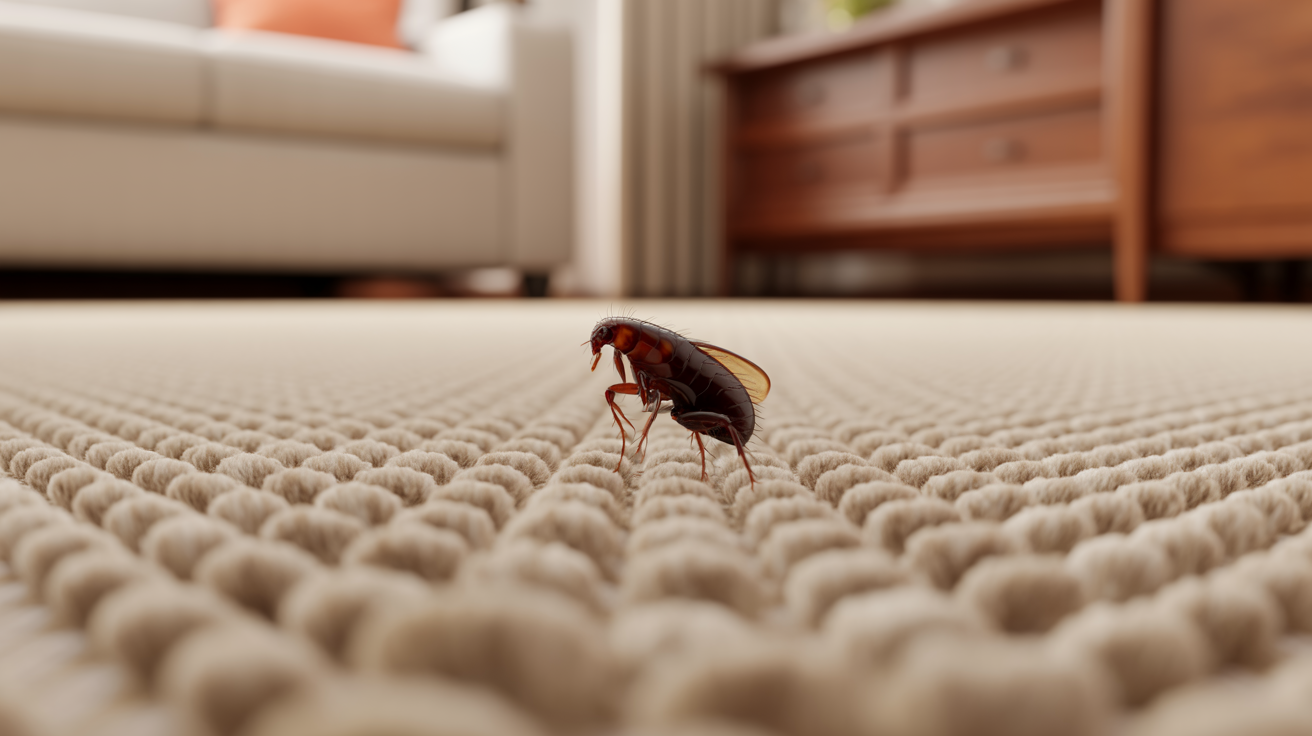
If you've discovered fleas in your home, you're likely desperate for answers: How long will this nightmare last? What should you expect during treatment? Why are you still seeing fleas weeks after treatment began?
The truth about flea elimination is more complex than most homeowners realize. Unlike many pests that die within days of treatment, fleas have a unique life cycle that makes them exceptionally challenging to eliminate completely. Understanding this timeline—and what's happening behind the scenes—is crucial for maintaining your sanity during the treatment process.
The Flea Life Cycle: Why Treatment Takes Weeks, Not Days
To understand why flea treatment timelines seem so long, you need to grasp the flea's four-stage life cycle: egg, larva, pupa, and adult. According to the CDC, this complete cycle typically takes 2-8 weeks depending on environmental conditions. Here's the critical part most homeowners don't realize:
Eggs (50% of population): Laid on your pet but fall off into carpets, cracks, and furniture within hours
Larvae (35% of population): Feed on organic debris in dark areas for 1-2 weeks
Pupae (10% of population): Develop in cocoons for 1-2 weeks, but can remain dormant for months
Adults (5% of population): The jumping, biting fleas you actually see
If you're weighing whether to keep trying store-bought products or bring someone in, our guide to professional flea treatment breaks down what a technician actually does, what it costs, and why foggers keep missing the pupae.
Critical Insight
When you see fleas in your home, 95% of the population is invisible—developing in carpets, under furniture, and in pet bedding as eggs, larvae, and pupae. This hidden population will continue emerging for weeks after treatment begins.
Texas A&M AgriLife Extension research shows that in optimal conditions (75-85°F with 70% humidity—common in our Southern climate), fleas can complete their life cycle in just 14 days. However, cooler temperatures can extend this to 8 weeks or longer.
Professional Treatment Timeline: Week-by-Week Expectations
Day 1: Initial Treatment
Professional flea treatment typically involves:
Thorough inspection to identify breeding areas
Application of adulticides to kill existing adult fleas
Insect growth regulator (IGR) application to prevent larvae from developing
Treatment of both indoor and outdoor areas where pets spend time
You may notice increased flea activity immediately after treatment. This is normal—the treatment disturbs fleas and causes them to emerge from hiding spots.
Week 1-2: The Emergence Phase
This is often the most frustrating period for homeowners. You'll likely see:
Continued flea activity as pupae emerge as adults
Dead and dying fleas appearing on light-colored surfaces
Some fleas that appear sluggish or disoriented
The IGR applied during treatment prevents new larvae from developing, but it doesn't kill existing pupae. These will continue emerging for 1-2 weeks post-treatment.
Week 3-4: Population Decline
Most homeowners notice significant improvement during this period:
Dramatic reduction in new flea sightings
Pets showing less scratching and irritation
No new flea dirt (black specks) appearing on pets
Week 6-8: Complete Elimination
With proper treatment and follow-up, most flea infestations are completely eliminated within 6-8 weeks. However, some factors can extend this timeline.
Did You Know?
According to the CDC, fleas can jump up to 13 inches, which is about 200 times their body length!
DIY Treatment Reality Check: What Actually Works
Many homeowners attempt DIY flea control before calling professionals. Here's what you need to know about common approaches:
Vacuuming: Your Most Powerful Tool
Vacuuming is the single most effective action you can take immediately:
Vacuum carpets, rugs, upholstery, and pet bedding daily
Pay special attention to areas where pets rest
Vacuum removes eggs, larvae, and some adults
The vibration actually stimulates flea emergence, making other treatments more effective
Pro tip: Immediately dispose of vacuum bags or empty bagless canisters into outdoor trash. Fleas can survive inside vacuum cleaners.
Over-the-Counter Sprays: Limited Effectiveness
Most retail flea sprays only kill adult fleas and lack the residual power needed for complete elimination. They're useful for immediate knockdown but won't solve the underlying infestation.
Diatomaceous Earth: Proceed with Caution
Food-grade diatomaceous earth can kill fleas by damaging their exoskeletons, but:
Only effective when completely dry
Can be respiratory irritant for pets and humans
Takes days to weeks to show results
Must be reapplied frequently
Why You're Still Seeing Fleas After Treatment
The most common question we receive is: "Why am I still seeing fleas two weeks after treatment?" Here are the most likely explanations:
Normal Emergence Pattern
As explained above, pre-existing pupae will continue emerging for 2-8 weeks post-treatment. This is completely normal and doesn't indicate treatment failure.
Incomplete Coverage
Fleas develop in areas that are often missed during treatment:
Under heavy furniture
In crawl spaces where pets spend time
Outdoor areas like decks, patios, and shaded yard areas
Vehicles where pets travel
Reintroduction from Untreated Pets
If any household pets aren't receiving proper flea prevention, they can continuously reintroduce fleas to treated areas.
Environmental Factors
High humidity and warm temperatures in our Southern climate can accelerate flea development, potentially requiring additional treatments.
Regional Considerations for Texas, Oklahoma, Louisiana, and Mississippi
Our service regions present unique challenges for flea control:
Climate Impact
The warm, humid climate across Texas, Oklahoma, Louisiana, and Mississippi creates ideal conditions for year-round flea activity. Unlike northern regions where cold winters provide natural population control, fleas remain active throughout most of the year in our areas.
Seasonal Patterns
Spring (March-May): Peak breeding season as temperatures warm
Summer (June-August): Fastest development cycles due to heat and humidity
Fall (September-November): Second peak as outdoor temperatures remain favorable
Winter (December-February): Reduced but continued activity, especially indoors
Wildlife Considerations
Our regions have abundant wildlife that can serve as flea hosts, including:
Feral cats and dogs
Opossums and raccoons
Squirrels and other rodents
These animals can continuously reintroduce fleas to your property, making ongoing prevention crucial.
When to Call Professional Help
While some flea problems can be managed with diligent DIY efforts, certain situations require professional intervention:
Multiple pets in the household
Severe infestations where fleas are visible jumping on furniture and walls
Continued activity after 4 weeks of consistent DIY treatment
Family members experiencing flea bite reactions
Large homes or properties with extensive carpeting
Professional flea and tick treatment provides access to more effective products and application techniques that aren't available to consumers.
Prevention: Stopping Future Infestations
According to EPA guidelines for pest management, maintaining a clean environment and using preventive measures are key to avoiding future flea infestations. Regularly wash pet bedding, keep lawns trimmed, and use veterinarian-approved flea prevention for pets.
FAQs
How long does it take to see results from professional flea treatment? Most homeowners see significant improvement within 3-4 weeks, with complete elimination typically occurring within 6-8 weeks.
Can fleas survive in cold weather? While cold weather can slow down flea activity, indoor environments and warm climates like those in the Southern U.S. allow fleas to survive year-round.
What should I do if I still see fleas after treatment? Continue vacuuming regularly and ensure all pets are on a veterinarian-approved flea prevention program. If fleas persist, consider a follow-up treatment.