
Ready to Get Started?
Free quote • No obligation • Same-day service available
About Romex Pest Control
Romex Pest Control has been a leader in pest management solutions since 2005, serving Texas, Louisiana, Oklahoma, and Mississippi. Our certified professionals are committed to providing reliable pest control services, recognized for innovative approaches and customer satisfaction. Learn more about our services.
Complete Flea Control Guide for Southern Homeowners: Biology, Prevention, and Treatment
Fleas are persistent parasites that thrive in the warm, humid climates of Texas, Louisiana, Oklahoma, and Mississippi. This guide covers flea biology, prevention methods, and treatment options to help homeowners tackle flea problems effectively.
Understanding Flea Biology
Fleas undergo complete metamorphosis with four stages: egg, larva, pupa, and adult. This complexity makes them challenging to eliminate.
The Four-Stage Life Cycle
Eggs (50% of population): Flea eggs fall into carpets and cracks, hatching in 2-5 days under optimal conditions.
Larvae (35% of population): Larvae feed on organic debris and adult flea feces, lasting 5-20 days.
Pupae (10% of population): Pupae are resilient, surviving without food for months.
Adults (5% of population): Adults require a blood meal within days of emerging.
Why Southern Climates Are Flea Paradise
According to Texas A&M AgriLife Extension, temperatures between 70-85°F and humidity above 50% create ideal flea breeding conditions year-round.
Urban vs. Rural Challenges
Urban areas often face higher flea infestations due to dense populations of pets and wildlife, while rural regions may experience challenges with wildlife carriers such as deer and rodents.
For more detailed pest control strategies, visit our Flea and Tick Control page.
Tick Prevention
Ticks pose significant health risks due to their ability to transmit diseases such as Lyme disease. Effective prevention strategies are crucial for homeowners in Texas and surrounding states.
Understanding Tick Behavior
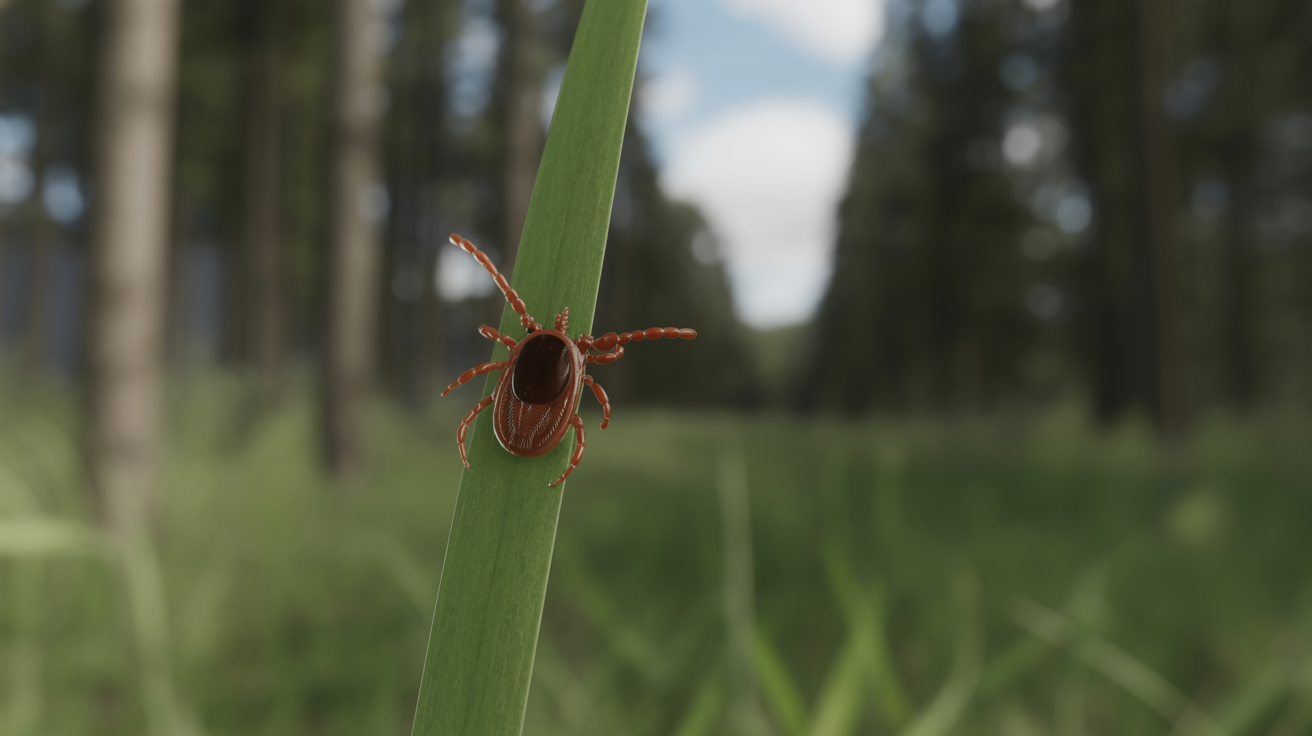
Ticks are arachnids requiring blood meals to progress through life stages. They are found in wooded and grassy areas.
Prevention Strategies
- Landscaping: Keep grass short and remove leaf litter.
- Barriers: Use wood chips or gravel between lawns and wooded areas.
- Repellents: Use EPA-approved repellents on skin and clothing.
- Pet Protection: Consult your veterinarian for tick prevention treatments.
For professional tick control services, visit our Flea and Tick Control page.
Impact of Climate Change
According to the National Pest Management Association, climate change is expected to expand tick habitats, increasing the risk of tick-borne diseases in Texas. This expansion is due to milder winters and longer warm seasons, which allow ticks to survive and reproduce more effectively.
Lyme Disease Awareness
Lyme disease is a bacterial infection transmitted through the bite of infected black-legged ticks. Early detection and treatment are crucial.
Symptoms of Lyme Disease
- Early Signs: Fever, chills, headache, fatigue, muscle and joint aches, and swollen lymph nodes.
- Rash: A "bull's-eye" rash may appear at the tick bite site.
- Advanced Symptoms: Severe headaches, neck stiffness, arthritis, and neurological issues.
According to the CDC, Lyme disease is most prevalent in the Northeastern and upper Midwestern United States, but cases have been reported in Texas.
Prevention Tips
- Avoid tick-infested areas during peak season.
- Perform regular tick checks after outdoor activities.
- Shower soon after being outdoors.
For more information, visit the CDC Lyme Disease page.
Community Involvement
Romex Pest Control is committed to supporting local communities through educational workshops and partnerships with local environmental organizations. Our efforts aim to raise awareness about pest-related health risks and promote sustainable pest management practices.
Professional Tips for Pest Control
Ensuring a pest-free home requires professional services and homeowner diligence. Here are some expert tips:
- Regular Inspections: Schedule inspections with a pest control professional.
- Education: Stay informed about the latest pest control techniques.
- Integrated Pest Management (IPM): Use a combination of biological, cultural, physical, and chemical tools.
For comprehensive pest management solutions, contact Romex Pest Control at 844-955-2447 or visit our services page.
Frequently Asked Questions
- What are the signs of a flea infestation?
- Common signs include pets scratching excessively, flea dirt in pet fur, and bites on humans.
- How can I protect my pets from ticks?
- Use veterinarian-recommended tick prevention treatments and regularly check your pets for ticks.
- Are there specific certifications for pest control professionals?
- Yes, look for certifications like the National Pest Management Association's QualityPro and state-specific licenses.
- What local regulations should I be aware of in Texas?
- Texas Department of Agriculture regulates pest control services. Ensure your provider is licensed and follows state guidelines.
Conclusion
Effective pest control requires understanding the unique challenges of the Southern climate and leveraging professional expertise. By staying informed and proactive, homeowners can protect their families and pets from the risks associated with fleas and ticks.
Key Takeaways
- Understanding the life cycle of fleas and ticks is crucial for effective control.
- Climate change is expanding tick habitats, increasing the risk of tick-borne diseases.
- Professional pest control services, combined with homeowner diligence, offer the best protection.
- Stay informed about local pest control regulations and certifications.