
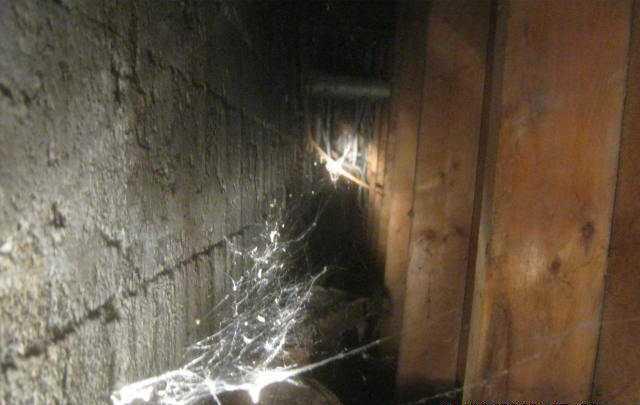
The Real Reasons Spiders Invade Your Home
Finding spiders in your home isn't random—it's driven by three critical survival needs that your house provides better than the outdoors. Understanding these motivations is the first step to effective spider control.
Food Supply: Your Home is a Spider Buffet
Spiders don't enter homes to bother you—they're following their food source. A single house can harbor hundreds of small insects that spiders prey upon, including flies, gnats, mosquitoes, and other tiny arthropods. According to research from Texas A&M AgriLife Extension, the average home contains enough insect prey to support multiple spider populations year-round.
Key insight: If you're seeing spiders regularly, you likely have an underlying insect problem that's attracting them.
Shelter: Perfect Microhabitats
Homes provide ideal spider habitats with consistent temperature, humidity, and protection from predators. Spiders particularly seek out:
- Dark, undisturbed corners and crevices
- Areas with minimal air circulation
- Spaces near moisture sources like basements and bathrooms
- Cluttered areas that provide multiple hiding spots
Seasonal Migration Patterns
Spider activity in homes follows predictable seasonal patterns across our service regions. In Texas, Oklahoma, Louisiana, and Mississippi, peak indoor spider activity occurs during:
- Fall (September-November): Male spiders actively search for mates, increasing movement into homes
- Winter (December-February): Spiders seek warm shelter as outdoor temperatures drop
- Spring (March-May): Egg hatching leads to increased juvenile spider activity
Ready to Get Started?
Free quote • No obligation • Same-day service available
Common House Spiders in the South-Central Region
Identifying the spiders in your home helps determine the most effective removal strategy. Here are the most common species homeowners encounter in our service areas:
House Spiders (Parasteatoda tepidariorum)
These small, brown spiders build irregular webs in corners, under furniture, and around windows. They're harmless to humans and actually beneficial for controlling flying insects.
Cellar Spiders (Pholcus phalangioides)
Often called "daddy long-legs," these spiders have extremely long, thin legs and build messy webs in basements, garages, and crawl spaces. They're completely harmless and excellent at controlling other spiders.
Wolf Spiders (Lycosidae family)
Large, brown hunting spiders that don't build webs. Common in Texas and Oklahoma, they hunt at night and may wander into homes. While intimidating due to their size, they're not dangerous to humans.
Immediate DIY Spider Removal Strategies
Before calling professionals, try these evidence-based methods that you can implement today:
Physical Removal and Exclusion
Web Removal: Use a vacuum with a hose attachment to remove webs and egg sacs. Focus on corners, behind furniture, and around light fixtures. Empty the vacuum bag immediately to prevent spiders from escaping.
Sealing Entry Points: Oklahoma State University Extension research shows that sealing cracks smaller than a dime can significantly reduce spider entry. Target:
- Gaps around windows and doors
- Cracks in foundation walls
- Openings around utility lines
- Damaged window screens
Habitat Modification
Reduce Clutter: Spiders thrive in cluttered environments. Clear storage areas, organize closets, and eliminate hiding spots near entry points.
Control Moisture: Use dehumidifiers in basements and crawl spaces. Fix leaky pipes and improve ventilation in bathrooms and kitchens.
Outdoor Maintenance: Keep vegetation trimmed back from your home's exterior. Remove woodpiles, leaf litter, and debris within 10 feet of the foundation.
Natural Deterrents That Actually Work
Unlike many online claims, scientific research supports only a few natural spider deterrents:
- Diatomaceous Earth: Food-grade DE creates a barrier that damages spider exoskeletons. Apply thin lines around entry points.
- Essential Oil Sprays: Peppermint oil shows some repellent properties, though effects are temporary and require frequent reapplication.
- Sticky Traps: Place near baseboards and in corners to monitor and reduce spider populations.
Professional Treatment Options
While DIY methods help with minor spider issues, significant infestations require professional intervention. Here's what to expect from professional spider control:
Comprehensive Inspection
Professional technicians identify spider species, locate breeding sites, and assess the underlying insect problems attracting spiders. This inspection covers areas homeowners often miss, including crawl spaces, attics, and exterior perimeters.
Targeted Treatment Approaches
Professional treatments address both current spider populations and the conditions supporting them:
- Residual insecticides applied to spider harborage areas
- Web removal and egg sac destruction
- Treatment of insect prey populations
- Exclusion recommendations for long-term prevention
| Treatment Type | Effectiveness Duration | Best For |
|---|---|---|
| Perimeter Spray | 30-60 days | Preventing new spider entry |
| Crack and Crevice | 60-90 days | Targeting specific harborage areas |
| Web Removal | Immediate | Eliminating current populations |
Long-Term Spider Prevention Strategy
Effective spider control requires ongoing prevention rather than reactive treatments. Implement this systematic approach:
Monthly Maintenance Tasks
- Vacuum corners, baseboards, and behind furniture
- Remove webs from exterior eaves and porches
- Check and repair damaged weather stripping
- Clear vegetation touching the house exterior
Seasonal Prevention Schedule
Spring: Focus on sealing entry points and removing overwintering spiders
Summer: Control flying insects that attract spiders
Fall: Increase monitoring as spiders seek indoor shelter
Winter: Maintain low humidity and continue web removal
When to Call Professional Help
Contact pest control professionals when:
- You've identified venomous species (black widow or brown recluse)
- Spider populations persist despite consistent DIY efforts
- You're finding multiple egg sacs or large numbers of spiders
- Family members have spider phobias affecting daily life
- You're dealing with large wolf spiders or other intimidating species
Romex Pest Control serves homeowners throughout Texas (DFW, Austin, San Antonio, Tyler), Oklahoma (OKC, Tulsa, Edmond), Louisiana (Slidell, New Orleans area), and Mississippi (Gulf Coast). Call (844) 955-2447 for professional spider assessment and treatment.
Regional Spider Control Considerations
Spider control strategies must account for regional climate and species variations:
Texas Challenges
High humidity and year-round warmth support larger spider populations. Focus on moisture control and consistent perimeter treatments.
Oklahoma Specifics
Temperature fluctuations drive seasonal spider migration patterns. Increase monitoring during fall and winter months.
Louisiana and Mississippi Factors
Coastal humidity and abundant vegetation create ideal spider habitats. Regular maintenance and professional treatments are crucial.
Frequently Asked Questions
Are all spiders in my home dangerous?
No, most spiders are harmless and even beneficial by controlling other pests. However, it's important to be cautious of venomous species like the black widow and brown recluse.
What should I do if I find a black widow or brown recluse?
Contact a professional pest control service immediately to safely handle and remove these dangerous spiders.
How can I prevent spiders from entering my home?
Seal entry points, reduce clutter, and maintain a clean, dry environment to discourage spiders from settling in your home.
Author Bio
Ella Hansen is a pest control marketing specialist at Romex Pest Control who leverages in-house expertise and external industry resources to deliver actionable pest management content. With a background in environmental science and over a decade of experience in pest control marketing, Ella is committed to providing homeowners with effective, research-backed strategies for managing pests.