
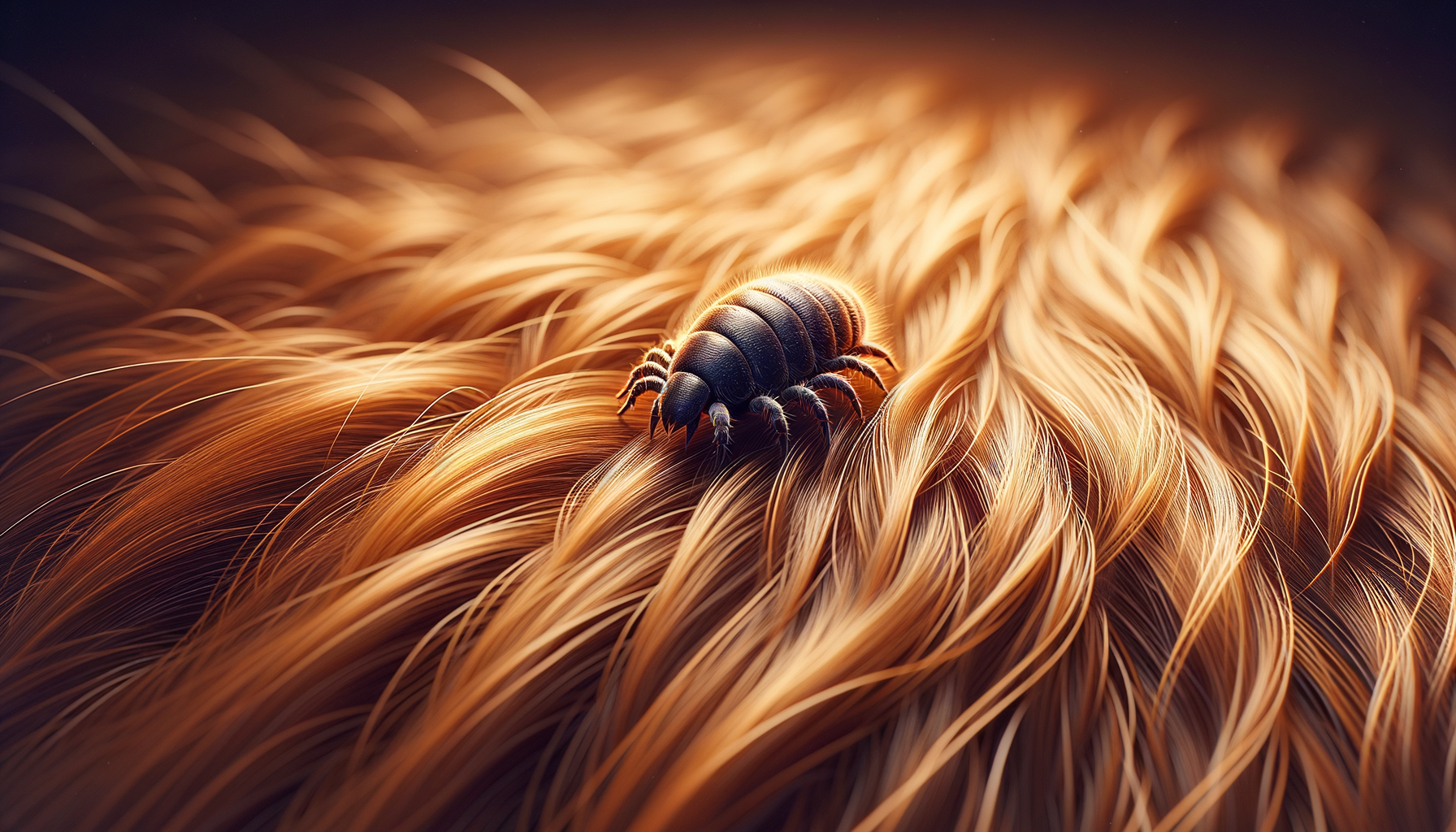
Why Oklahoma City is a Flea Paradise
Oklahoma City's climate creates nearly perfect conditions for flea populations to explode. With average temperatures ranging from 70-85°F during peak season and humidity levels often exceeding 60%, fleas can complete their lifecycle in just 14-21 days compared to 35+ days in cooler climates. According to the Oklahoma Mesonet, our region experiences extended warm periods from April through October, giving fleas up to seven months of optimal breeding conditions. This extended season means that what starts as a small flea problem in spring can become a full-blown infestation by summer if left unchecked.
Ready to Get Started?
Free quote • No obligation • Same-day service available
The Complete Flea Lifecycle: What Oklahoma City Homeowners Need to Know
Understanding flea biology is crucial for effective control. The CDC identifies four distinct flea lifecycle stages, and each stage requires different treatment approaches:
Egg Stage (1-6 days)
Flea eggs are smooth, white, and about the size of a grain of salt. They don't stick to your pet's fur—instead, they fall off into carpets, cracks, and pet bedding areas. In Oklahoma's warm climate, eggs hatch rapidly, often within 1-2 days during summer months.
Larva Stage (5-15 days)
Flea larvae are blind, legless, and feed on organic debris including adult flea feces (which contains undigested blood). They burrow deep into carpet fibers, under furniture, and in cracks where they're protected from light and foot traffic.
Pupa Stage (5-14 days)
This is the most challenging stage for homeowners. Pupae are enclosed in sticky cocoons that resist insecticides and can remain dormant for weeks or even months. They emerge as adults when they detect vibrations, heat, or carbon dioxide—signals that a host is nearby.
Adult Stage (14-180 days)
Adult fleas must feed on blood within hours of emerging or they'll die. Females begin laying eggs within 24-48 hours of their first blood meal. Only about 5% of a flea population consists of adults—the other 95% are eggs, larvae, and pupae hiding in your environment.
Recognizing Flea Infestations: Beyond the Obvious Signs
Many Oklahoma City homeowners miss early flea infestations because they only look for obvious signs like pet scratching. Here's what pest control professionals actually look for:
The Flea Dirt Test
Those small, dark specks you find on your pet or in pet bedding might be flea dirt (flea feces). To confirm: place the specks on a white paper towel and add a drop of water. If they turn reddish-brown, it's digested blood—proof of fleas.
The White Sock Test
Walk through suspected areas wearing white socks pulled up high. Fleas are attracted to movement and will jump onto the socks, making them easily visible against the white fabric.
Pet Behavior Changes
Watch for subtle changes: pets avoiding certain rooms, excessive grooming of specific body parts (especially the base of the tail and hind legs), or restlessness during sleep.
Human Bite Patterns
Flea bites on humans typically appear in clusters or lines on ankles, lower legs, and feet. Unlike mosquito bites, flea bites often have a red halo around a central red spot and itch intensely for days.
| Infestation Level | Signs You'll Notice | Action Needed |
|---|---|---|
| Early | Pet scratching occasionally, few flea dirt specks | Immediate treatment can prevent spread |
| Moderate | Regular pet scratching, visible fleas when parting fur | Comprehensive treatment of pets and environment |
| Severe | Fleas jumping on furniture, human bites, pet hair loss | Professional intervention recommended |
Why Fleas Infest Homes Without Pets
Many Oklahoma City residents are shocked to discover fleas in pet-free homes. Here's how it happens:
- Previous pet owners: Flea pupae can remain dormant in carpets for months after pets leave
- Wildlife hosts: Squirrels, raccoons, and opossums in Oklahoma City carry fleas that can jump to new hosts
- Visiting pets: Friend's pets can drop flea eggs during brief visits
- Used furniture: Flea eggs and larvae can hide in upholstery and carpets
- Rodent infestations: Mice and rats carry fleas that seek new hosts when rodents are eliminated
Immediate Action Steps for Oklahoma City Homeowners
If you've confirmed a flea problem, here's what you can do today while planning comprehensive treatment:
Emergency Pet Treatment
Contact your veterinarian immediately for prescription flea treatments. Over-the-counter flea shampoos and sprays often provide only temporary relief and can be harsh on your pet's skin in Oklahoma's already dry climate.
Environmental Preparation
- Vacuum aggressively: Focus on areas where pets spend time, under furniture, and along baseboards. The vibration actually helps flea eggs hatch, making treatment more effective.
- Wash all washable fabrics: Use hot water (140°F+) for pet bedding, throw rugs, and removable cushion covers.
- Reduce humidity: Use dehumidifiers to bring indoor humidity below 50% if possible—this slows flea development significantly.
- Seal vacuum contents: Immediately dispose of vacuum bags or empty bagless containers into sealed plastic bags.
Natural Deterrent Methods
While not elimination methods, these can provide some relief:
- Diatomaceous earth (food grade only): Sprinkle lightly in areas where pets don't walk. The microscopic particles damage flea exoskeletons.
- Cedar chips: Place in pet bedding areas—many fleas dislike the scent.
- Regular grooming: Daily flea combing can remove adults before they lay eggs.
Why DIY Flea Control Often Fails in Oklahoma
Oklahoma City's extended warm season makes flea control particularly challenging for several reasons:
The 95% Problem
Most homeowners only treat the adult fleas they can see, which represent just 5% of the population. The other 95% (eggs, larvae, pupae) continue developing in carpets, cracks, and outdoor areas.
Reinfestation from Outdoors
Oklahoma City's abundant wildlife means outdoor flea populations can continuously reinfest treated areas. Squirrels, stray cats, and other animals deposit new flea eggs in yards regularly.
Product Resistance
Many over-the-counter flea products use the same active ingredients repeatedly, leading to resistance in local flea populations. Professional treatments rotate different modes of action to overcome this.
Timing Issues
Effective flea control requires precise timing of treatments to target different lifecycle stages. Most homeowners treat once and expect immediate results, but flea control typically requires 6-8 weeks of coordinated effort.
Professional Flea Control: What to Expect
When considering professional flea and tick treatment in Oklahoma City, here's what comprehensive service includes:
Initial Inspection
Professional technicians identify flea hotspots, assess infestation severity, and locate breeding areas that homeowners often miss—like crawl spaces, under decks, and in mulched areas where pets rest.
Targeted Treatment Protocol
Professional treatments typically involve:
- Growth regulators that prevent larvae from developing into adults.
- Residual insecticides that target adult fleas.
- Comprehensive treatment plans that include follow-up visits to ensure complete eradication.
Customer Testimonials
"Romex Pest Control solved our flea problem quickly and professionally. We haven't seen a flea since!" - Sarah T., Oklahoma City
"The team was knowledgeable and thorough. They explained every step of the process and made sure we were comfortable with the treatment plan." - John D., Edmond
Company History and Achievements
Romex Pest Control has been serving the Oklahoma City area for over 20 years, providing expert pest management solutions tailored to the unique challenges of the region. Our team is certified by the National Pest Management Association and continuously trained on the latest industry developments to ensure the highest quality service.
Frequently Asked Questions
- How long does it take to see results from professional flea treatment?
- Results can vary, but most homeowners notice a significant reduction in fleas within a few days. Complete eradication typically requires 6-8 weeks of coordinated effort.
- Are professional flea treatments safe for pets and children?
- Our treatments are tested and approved for use around pets and children. We take every precaution to ensure the safety of your family.
- Can fleas survive in my home during the winter?
- Yes, fleas can survive indoors during the winter months. They thrive in warm, humid environments, which are common in heated homes.
Preventative Measures for Homeowners
To prevent future infestations, consider the following tips:
- Regularly wash pet bedding and vacuum carpets and upholstery.
- Use flea prevention products recommended by your veterinarian.
- Seal entry points to prevent wildlife from bringing fleas into your yard.
- Maintain your yard to reduce flea habitats, such as tall grass and debris.