
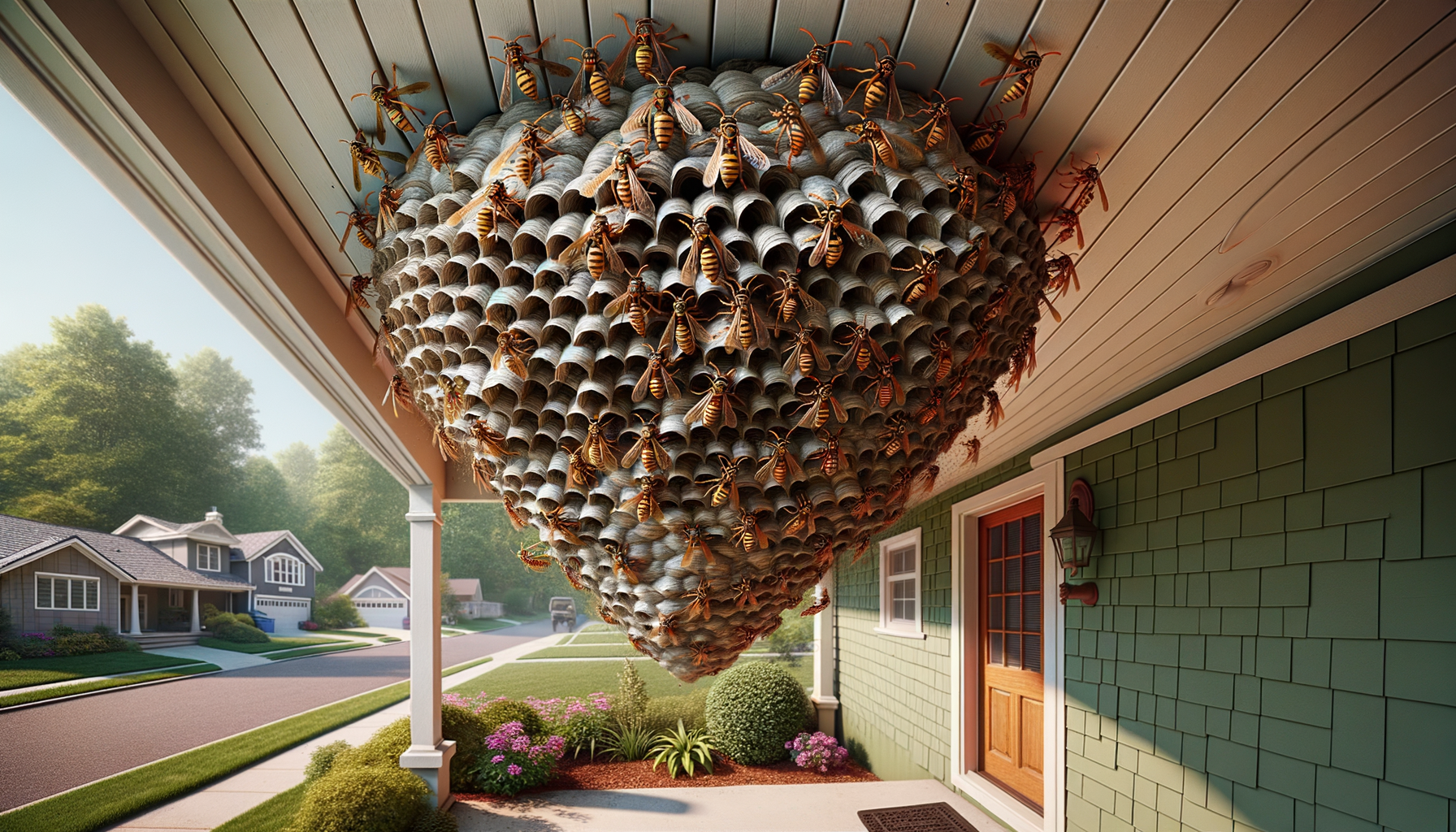
That angry buzzing sound near your back door isn't just annoying—it could signal a serious safety threat. According to the Centers for Disease Control and Prevention (CDC), stinging insects send over 500,000 Americans to emergency rooms annually, with yellow jackets and wasps responsible for most incidents. Whether you're dealing with paper wasps building under your eaves or aggressive yellow jackets defending a hidden nest, understanding these insects' behavior patterns and knowing when to take action can mean the difference between a peaceful backyard barbecue and a trip to the hospital.
This comprehensive guide combines real-world pest control experience with scientific research to help you identify threats, implement effective prevention strategies, and make informed decisions about professional intervention.
Understanding the Stinging Insect Threat in the South
The warm, humid climate across Texas, Oklahoma, Louisiana, and Mississippi creates ideal conditions for stinging insects. Unlike northern regions where cold winters significantly reduce populations, our mild winters allow many colonies to survive year-round, leading to larger, more established nests by summer.
Peak Activity Seasons by Region
| Region | Peak Season | Secondary Activity |
|---|---|---|
| Texas (DFW, Austin, San Antonio) | April - October | March, November |
| Oklahoma (OKC, Tulsa) | May - September | April, October |
| Louisiana Gulf Coast | March - November | December - February |
| Mississippi Coast | March - November | Year-round activity possible |
Ready to Get Started?
Free quote • No obligation • Same-day service available
Identifying Common Stinging Insects and Their Nests
Accurate identification is crucial for both safety and effective control. Each species has distinct behaviors, nest preferences, and aggression levels that determine the best management approach.
Paper Wasps (Polistes species)
Appearance: 3/4 to 1 inch long, brownish with yellow markings, long legs that dangle during flight
Nest Characteristics: Open, umbrella-shaped combs with visible hexagonal cells, typically 3-6 inches across
Preferred Locations:
- Under eaves and overhangs
- Inside outdoor furniture
- Behind shutters
- In mailboxes or grills
- Under deck railings
Behavior: Generally non-aggressive unless nest is directly threatened. Workers forage alone and rarely bother humans during normal activities.
Yellow Jackets (Vespula and Dolichovespula species)
Appearance: 1/2 inch long, bright yellow and black stripes, smooth body, aggressive flight pattern
Nest Characteristics: Enclosed paper nests, often hidden from view
Preferred Locations:
- Underground burrows (most common in our region)
- Wall voids and attics
- Hollow trees
- Under porches or decks
- Inside outdoor equipment
Behavior: Highly aggressive, especially late summer. Will chase threats 50+ feet from nest. Attracted to sugary drinks and protein foods.
Mud Daubers (Sphecidae family)
Appearance: 1/2 to 1 inch long, black or metallic blue, distinctive narrow waist
Nest Characteristics: Mud tubes or cells, often clustered together
Preferred Locations:
- Under eaves and porches
- In garages and sheds
- On exterior walls
- Inside equipment housings
Behavior: Solitary, rarely aggressive. Actually beneficial as they hunt spiders.
Bald-Faced Hornets (Dolichovespula maculata)
Appearance: 5/8 to 3/4 inch long, black with white markings on face and abdomen
Nest Characteristics: Large, gray, football-shaped nests, 12-24 inches long
Preferred Locations:
- High in trees (15+ feet)
- On building exteriors
- Occasionally in shrubs
Behavior: Aggressive defenders, will attack in groups when nest is threatened.
Immediate Safety Protocols
If you discover a stinging insect nest or encounter aggressive insects, follow these immediate safety steps:
If You Encounter a Nest
- Stop moving immediately - Sudden movements trigger attack responses
- Back away slowly - Don't turn and run unless already under attack
- Avoid the area - Mark the location mentally and warn family members
- Don't attempt removal - Even small nests can house hundreds of insects
If You're Being Chased
- Run in a straight line - Don't swat or wave your arms
- Seek indoor shelter - Yellow jackets rarely follow into buildings
- Cover your face and head - Protect airways and eyes
- Don't jump into water - Insects will wait for you to surface
Prevention Strategies That Actually Work
Effective stinging insect management starts with making your property less attractive to nest-building queens in early spring.
Spring Prevention (March-May)
Eliminate Nesting Sites:
- Seal gaps under eaves and siding
- Cover outdoor furniture when not in use
- Store garden equipment in closed sheds
- Fill ground holes and depressions where yellow jackets nest
- Trim vegetation away from structures
Remove Attractants:
- Keep garbage cans tightly sealed
- Clean up fallen fruit immediately
- Remove standing water sources
- Store pet food indoors
Summer Management (June-August)
Food Source Control:
- Use tight-fitting lids on outdoor trash
- Clean barbecue grills after each use
- Avoid wearing bright colors or floral patterns outdoors
- Don't use heavily scented soaps or perfumes
- Keep drinks covered during outdoor activities
Weekly Inspections:
- Check under eaves and overhangs
- Inspect outdoor furniture and equipment
- Look for new ground activity
- Monitor areas where insects are frequently seen
DIY Control Methods: What Works and What Doesn't
Many homeowners attempt DIY stinging insect control, but success rates vary dramatically based on species, nest location, and timing.
Effective DIY Approaches
Small Paper Wasp Nests (Under 3 inches):
- Best timing: Early morning or late evening when workers are inactive
- Method: Wasp spray with 15-20 foot range
- Safety gear: Long sleeves, pants, closed shoes, eye protection
- Approach: Spray nest thoroughly, retreat immediately, return next day to remove
Mud Dauber Control:
- Scrape nests away with long-handled tool
- Wash area with soap and water
- Apply residual insecticide to prevent rebuilding
When DIY Fails
Never attempt DIY removal for:
- Yellow jacket nests (extremely aggressive)
- Nests larger than a softball
- Nests in wall voids or inaccessible areas
- Any nest when you have allergy concerns
- Multiple nests on the property
Understanding Professional Control Methods
Professional stinging insect control involves specialized techniques and equipment that ensure safety and effectiveness. Our technicians at Romex Pest Control are certified and trained to handle even the most challenging infestations. We use a combination of physical removal, chemical treatments, and preventive measures to manage stinging insect populations.
For more information on our services, visit our Wasp and Hornet Control page.