
Ready to Get Started?
Free quote • No obligation • Same-day service available
Why German Cockroach Elimination Requires a Systematic Approach
Eliminating German cockroaches is not a spray-and-pray operation. These roaches have evolved alongside humans for thousands of years, developing survival strategies that defeat most casual treatment attempts. They hide in places you cannot see, breed faster than generic treatments can kill, and have developed documented resistance to common pesticides (EPA, 2021).
Successful elimination requires a systematic approach: thorough inspection, targeted treatment with professional-grade products, disciplined follow-up, and ongoing prevention. This guide walks you through every step of the process—from the moment you suspect an infestation to the long-term maintenance that keeps them from returning.
Step 1: Confirm the Species
Before any treatment begins, confirm that you are dealing with German cockroaches and not another species. Treatment strategies differ significantly by species, and applying the wrong approach wastes time and money. Use our species identification guide or cockroach identification chart to verify.
Key identifiers: 13–16 mm long, tan/light brown, two dark parallel stripes on the pronotum, found indoors (kitchens and bathrooms), nocturnal, does not fly.
Step 2: Assess the Infestation Level
The scope of treatment depends on the infestation severity. Use the 7 warning signs to assess your situation:
- Light infestation: Occasional nighttime sightings, scattered droppings in one or two locations, few or no oothecae found
- Moderate infestation: Multiple sightings per night, droppings in several areas, oothecae found, musty odor detectable in cabinets
- Heavy infestation: Daytime sightings, droppings throughout kitchen, numerous oothecae, visible smear marks, strong odor, shed exoskeletons accumulating
Heavy infestations typically require multiple treatment visits over 4 to 8 weeks. Light infestations may be resolved in 1 to 2 visits. Your pest control professional will assess the level during the initial inspection and recommend an appropriate treatment timeline.
Step 3: Prepare Your Home for Treatment
Proper preparation maximizes treatment effectiveness. Before your scheduled service:
- Clean kitchen surfaces: Remove grease buildup from stoves and countertops—grease can interfere with gel bait acceptance
- Clear under sinks: Remove items from under kitchen and bathroom sinks so the technician can access plumbing penetrations
- Empty cabinets if requested: For heavy infestations, your technician may request that specific cabinets be emptied for thorough treatment
- Fix leaks: Repair any dripping faucets, leaking pipes, or condensation issues—reducing water sources makes treatment more effective
- Remove competing food sources: Store all food in sealed containers, clean up crumbs, and remove pet food bowls overnight
- Do NOT spray any insecticides: Over-the-counter sprays can repel cockroaches away from professional bait placements and interfere with treatment effectiveness
Step 4: Professional Treatment Methods
Modern German cockroach elimination relies on a combination of tools that work synergistically:
Gel Baits (Primary Kill Method)
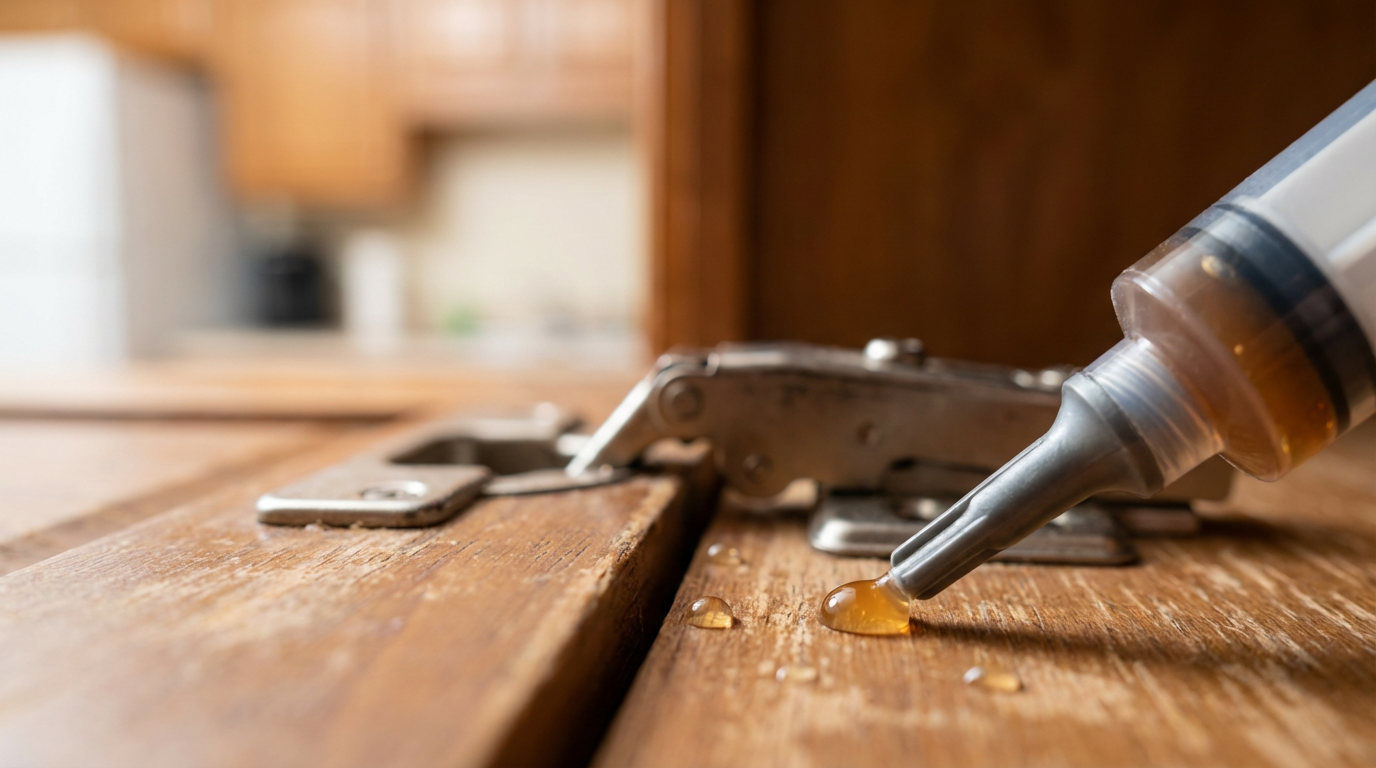
Professional-grade gel baits are placed in small dots directly in harborage areas—cabinet hinges, behind outlet covers, in plumbing voids, along appliance edges. Cockroaches consume the bait during normal foraging, then return to their harborage where they die. Other cockroaches feeding on the feces or body of the poisoned individual receive a secondary lethal dose. This cascade effect reaches deep into the colony where no spray can penetrate.
Insect Growth Regulators (Population Suppression)
IGRs are applied as crack-and-crevice treatments in harborage zones. They prevent nymphs from molting to adulthood and disrupt egg development in oothecae. By sterilizing the reproductive potential of the colony, IGRs ensure that even survivors of the gel bait treatment cannot rebuild the population.
Dust Applications (Long-Term Residual)
Non-repellent insecticidal dust is applied into wall voids, behind electrical outlets, and in other enclosed spaces where it provides long-term residual activity. Cockroaches passing through treated areas pick up dust particles that are lethal through contact and ingestion during grooming.
Monitor Traps (Assessment Tool)
Sticky monitors placed in strategic locations track cockroach activity levels between visits. They provide objective data on whether the population is declining and help identify residual hotspots that need additional treatment during follow-up visits.
Step 5: Follow-Up Treatment Timeline
Initial treatment kills the majority of the active population, but eggs inside oothecae deposited before treatment are protected. These eggs hatch 2 to 4 weeks after treatment, releasing nymphs that must be addressed during follow-up visits.
- 2-week follow-up: Technician checks monitor traps, assesses population decline, refreshes gel bait placements, and treats newly identified activity areas
- 4-week follow-up: Second assessment confirms continued population decline. Most light-to-moderate infestations show 90%+ reduction by this point
- 6-to-8 week follow-up (heavy infestations): Additional visit to ensure complete elimination and address any persistent activity areas
The exact follow-up schedule depends on initial severity. Your Romex Pest Control technician will establish the appropriate timeline during the initial treatment visit.
Step 6: Long-Term Prevention
After elimination, ongoing prevention keeps German cockroaches from returning:
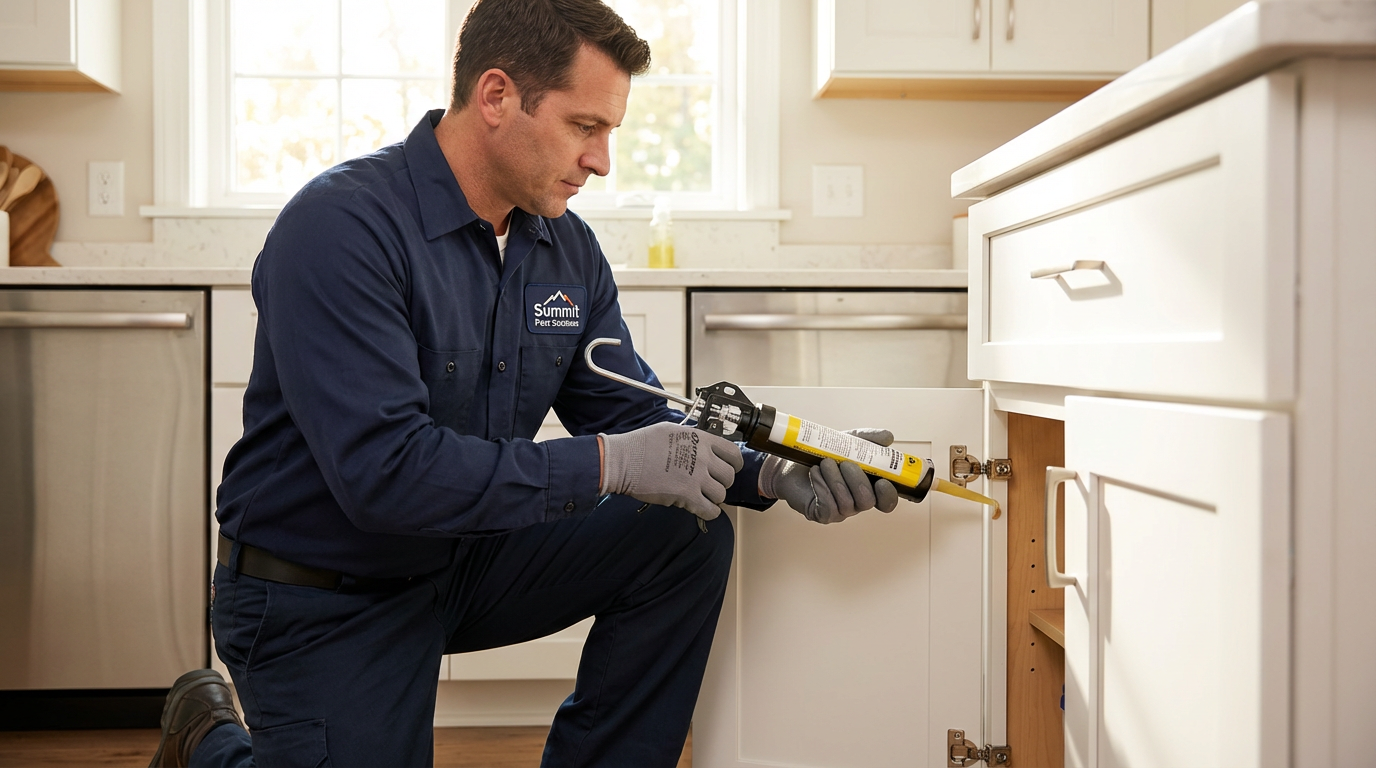
- Seal entry points: Caulk around pipes, fill gaps around electrical outlets, seal the gap between cabinet bases and walls
- Maintain sanitation: Clean crumbs daily, store food in sealed containers, fix drips promptly, empty garbage regularly
- Inspect incoming items: Check grocery bags, cardboard boxes, and any used furniture or appliances before bringing them inside
- Monitor quarterly: Place sticky traps behind the refrigerator and under sinks and check them monthly—early detection prevents re-infestation
- Address moisture: Fix any plumbing leaks, use bathroom exhaust fans, and reduce humidity in kitchen areas
For apartment residents, long-term prevention also requires coordination with neighbors and management—see our apartment tenant rights guide for specific guidance.
Get Professional Help Today
Dealing with a German cockroach infestation can be daunting. At Romex Pest Control, our certified technicians are equipped with the latest tools and techniques to ensure effective elimination and prevention. Contact us today for a consultation and take the first step towards a pest-free home.
Learn more about our services or call us directly at 844-955-2447.
Did You Know?
German cockroaches can live up to a month without food but only a week without water. This makes moisture control a critical component of any pest management strategy.
Professional Tip
Always consult with a pest control professional before attempting DIY treatments. Incorrect applications can worsen infestations by dispersing cockroaches to new areas of your home.
Frequently Asked Questions
- How long does it take to eliminate a German cockroach infestation?
- The timeline varies based on the severity of the infestation. Light infestations may be resolved in 1 to 2 visits, while heavy infestations could require 4 to 8 weeks of treatment.
- What precautions should I take with pets and children?
- Kid & pet precautions are explained at every visit. Tell your technician about children and pets in the home, and keep them off treated areas until dry. All products are EPA-registered and applied according to label directions.
- What should I do if I see cockroaches after treatment?
- It's normal to see some activity after initial treatment as the pests are driven out of hiding. Continued sightings should be reported to your technician for follow-up assessment.