
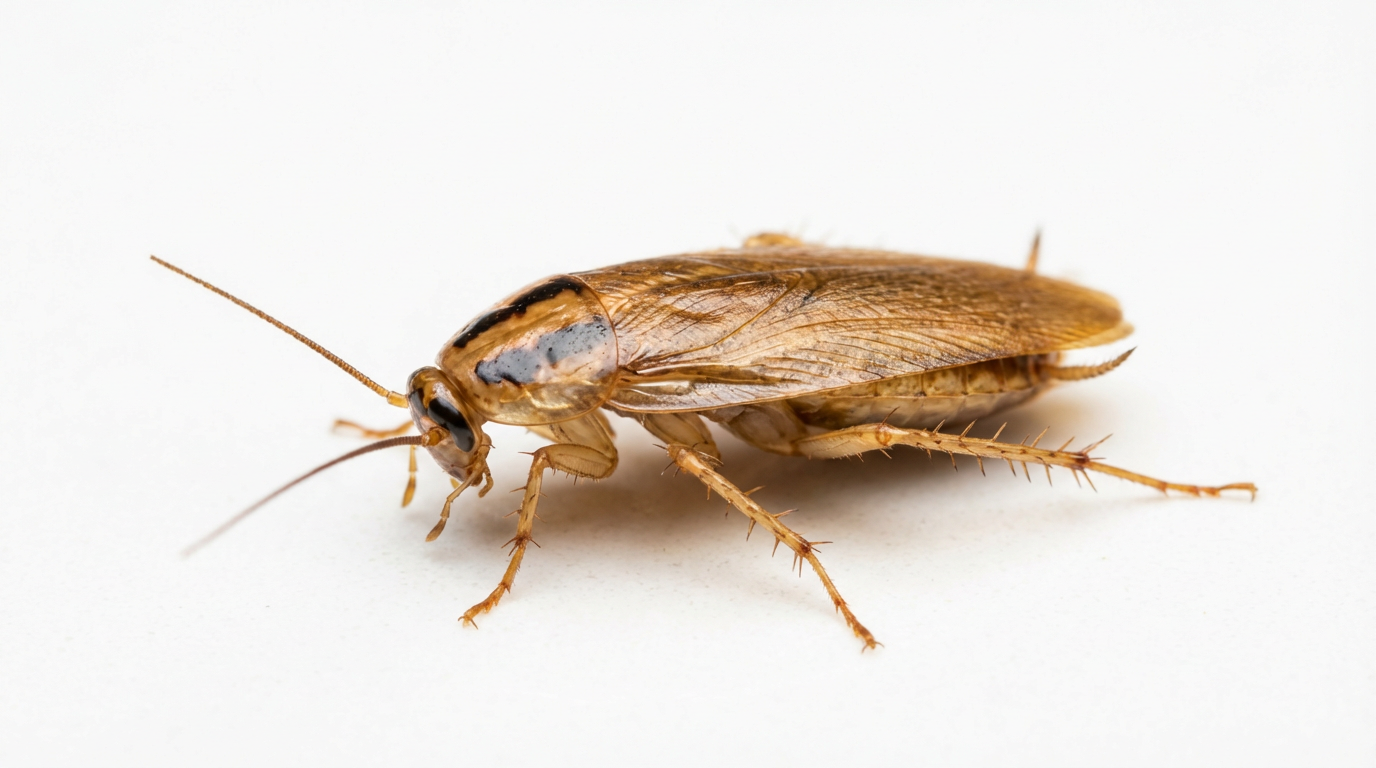
What Is a German Cockroach?
Blattella germanica—the German cockroach—is the most common and consequential cockroach species found inside homes, apartments, and commercial kitchens worldwide. Despite its name, this species likely originated in Southeast Asia and spread globally through human trade and travel. Today, it is present on every inhabited continent and is the dominant indoor cockroach species in North America.
German cockroaches are fundamentally different from the large "water bugs" (American cockroaches) or the dark roaches (Oriental cockroaches) you might see near drains or in garages. German cockroaches are smaller, faster-breeding, and strictly indoor pests. They complete their entire lifecycle indoors and depend entirely on human habitats for survival.
This guide provides a comprehensive overview of everything homeowners need to know—from identification and biology to treatment and prevention.
Ready to Get Started?
Free quote • No obligation • Same-day service available
Identification: How to Recognize a German Cockroach
German cockroaches are 13 to 16 millimeters long (roughly half an inch), tan to light brown, with two distinctive parallel dark stripes on the pronotum—the plate-like shield directly behind the head. Both sexes have wings but rarely fly, preferring to run at speeds up to 3 feet per second.
Nymphs (juvenile stages) are smaller, darker—nearly black when first hatched—and wingless, with a single light stripe running down the center of the back. As they mature through 5 to 7 molts, they gradually develop the adult tan coloring and wing pads.
For a detailed side-by-side comparison with other cockroach species, see our species identification guide and cockroach identification chart.
Biology and Reproduction: Why They Spread So Fast
German cockroaches have the fastest reproduction rate of any common household cockroach. A single female produces 5 to 8 egg cases (oothecae) in her lifetime, each containing 30 to 48 eggs. She carries the ootheca until just before hatching—protecting the eggs from environmental hazards and most pesticide applications.
The complete lifecycle from egg to reproductive adult takes 60 to 100 days under typical indoor conditions. This means that within four months, a small initial population can multiply into hundreds or thousands of individuals. The math is relentless: one mated female can theoretically produce over 300,000 descendants in a year.
This explosive reproduction rate is the primary reason DIY treatments fail—any treatment that does not achieve near-complete elimination is quickly overwhelmed by the surviving population's reproductive output. For a detailed breakdown of each life stage, see our lifecycle guide.
Health Risks: More Than Just a Nuisance
German cockroaches are a documented public health concern. The CDC, EPA, and NIH have identified cockroach allergens as a leading environmental trigger for asthma, particularly in children. Key health risks include:
- Asthma and respiratory illness: Cockroach allergens (from feces, shed skins, and saliva) trigger asthma attacks and worsen chronic respiratory symptoms. A landmark NEJM study found that sensitized children exposed to cockroach allergens had 3.3 times more hospitalizations.
- Allergic reactions: Chronic nasal congestion, skin rashes, and eye irritation from ongoing allergen exposure
- Bacterial contamination: German cockroaches carry Salmonella, E. coli, Staphylococcus, and over 30 other bacterial species on their bodies and in their digestive tracts
- Food contamination: Roaches deposit pathogens on food, utensils, and preparation surfaces as they forage
For a comprehensive look at the medical evidence, see our health risks guide.
Signs of Infestation: How to Know If You Have Them
German cockroaches are nocturnal and prefer tight hiding spaces, making early detection challenging. The most reliable warning signs include:
- Pepper-like droppings in cabinets, drawers, and behind appliances
- Empty or intact egg cases (oothecae) in hidden areas
- A persistent musty, oily odor in kitchen cabinets
- Nighttime sightings when entering a dark kitchen
- Daytime sightings (indicates severe overcrowding)
- Shed exoskeletons in harborage areas
- Dark smear marks along regular travel pathways
If you identify any combination of these signs, the colony is already established and professional treatment should be scheduled promptly.
Extermination: What Works and What Does Not
What Does NOT Work
- Aerosol sprays: Repel rather than kill, scattering colonies into new areas. Most contain pyrethroids to which German cockroaches have documented resistance.
- Bug bombs/foggers: Cannot penetrate harborage areas. Spread allergens, contaminate surfaces, and are ineffective against the target population.
- Home remedies: Bay leaves, cucumber peels, essential oils, and other folk remedies have no peer-reviewed evidence of effectiveness. See our myths guide for the full breakdown.
What DOES Work: Professional Treatment
Effective German cockroach elimination requires a multi-tool professional approach:
- Non-repellent gel baits: Consumed willingly by cockroaches, delivering primary and secondary kill through the colony via fecal transfer
- Insect growth regulators (IGRs): Disrupt nymph development and prevent viable egg production, sterilizing the colony's reproductive potential
- Crack-and-crevice treatments: Deliver non-repellent formulations directly into harborage zones
- Dust applications: Provide long-term residual activity in wall voids and enclosed spaces
- Follow-up monitoring: Sticky traps track population decline and identify residual hotspots
For a detailed walkthrough of the entire treatment process, see our elimination guide.
Prevention: Keeping Them Out for Good
Once German cockroaches are eliminated, ongoing prevention is essential to avoid re-infestation:
Exclusion
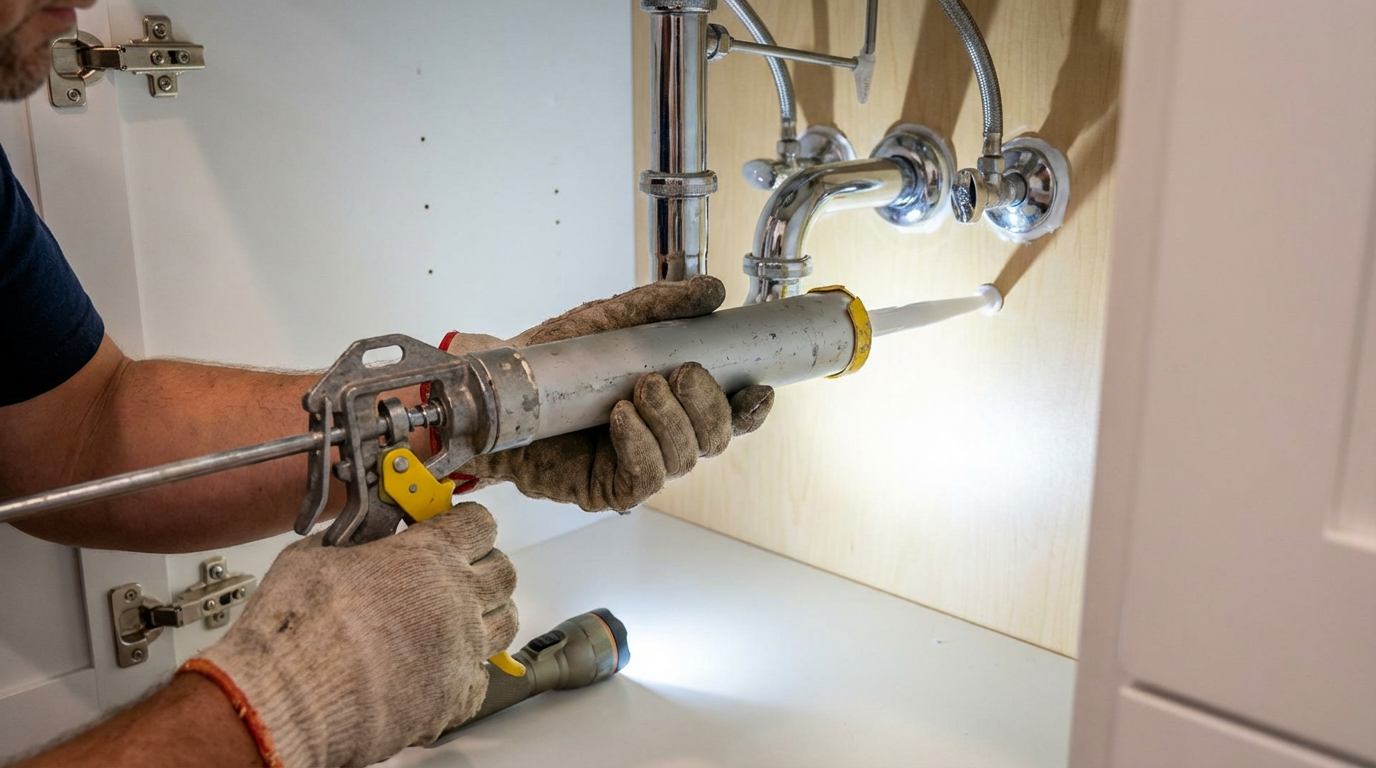
- Caulk all gaps around plumbing penetrations under sinks and behind toilets
- Seal gaps around electrical outlets, especially on walls shared with other units
- Fill the gap between cabinet bases and walls with expanding foam or caulk
- Install door sweeps on exterior doors and weather stripping on garage doors
Sanitation
- Keep kitchen surfaces clean and free of crumbs
- Store food in airtight containers
- Regularly empty trash bins and clean them
- Fix leaky faucets and pipes to eliminate water sources
FAQ
How long does it take to eliminate a German cockroach infestation?
Professional treatment can take several weeks to completely eliminate an infestation, depending on its severity.
Are German cockroaches harmful to pets?
While they don't directly harm pets, cockroaches can carry bacteria that might contaminate pet food and water bowls.
Can I prevent cockroaches with natural remedies?
Natural remedies have limited effectiveness. Professional treatments are recommended for reliable results.
Summary
German cockroaches are a prevalent indoor pest that pose significant health risks. Effective management requires professional treatment and ongoing prevention efforts. Romex Pest Control offers comprehensive solutions tailored to your needs. For more information, visit our service page or contact us for a free quote.