
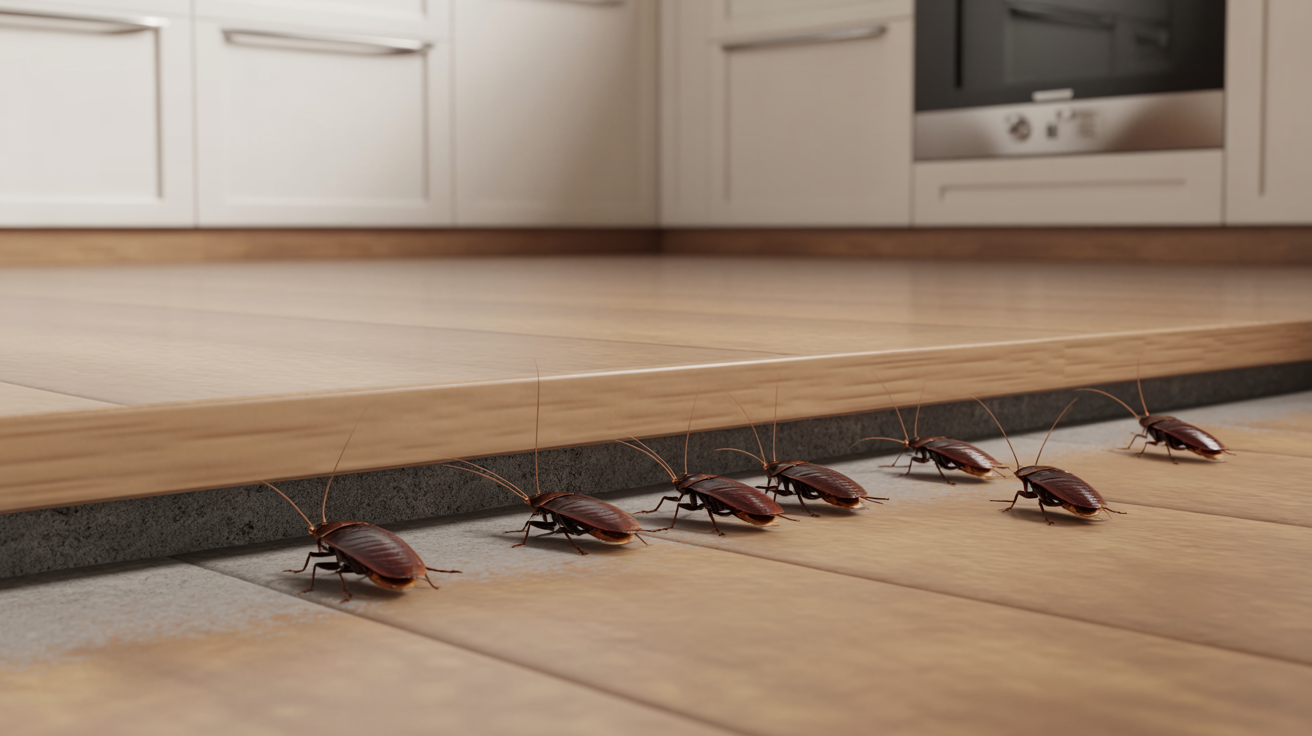
You've scheduled a professional pest control treatment with Romex Pest Control, expecting to see fewer bugs. Instead, you're witnessing what feels like an insect parade marching through your living room. Before you panic or assume the treatment failed, take a deep breath. What you're experiencing is likely the "flush-out effect"—a completely normal and actually encouraging sign that your pest control treatment is working exactly as intended.
This phenomenon catches many homeowners off guard, but understanding why it happens can transform your anxiety into confidence. Let's dive deep into the science behind the flush-out effect and what you should expect in the days following your pest control service.
The Science Behind the Flush-Out Effect
The flush-out effect occurs when professional-grade pesticides penetrate deep into pest hiding spots, forcing insects out of their comfortable harborages. According to the EPA's pest control guidelines, modern pesticides are formulated with active ingredients that have both contact and residual properties, meaning they continue working long after application.
Here's what happens at the molecular level: When pesticides are applied to baseboards, cracks, and crevices, they create an invisible barrier that insects cannot detect until they come into direct contact with it. The active ingredients—often pyrethroids or neonicotinoids—disrupt the insects' nervous systems, causing hyperactivity before eventual elimination.
Why Bugs Become More Active
Several factors contribute to increased pest activity immediately after treatment:
- Neurological stimulation: Many pesticides cause hyperactivity in insects before they die, making them more visible as they move erratically.
- Habitat disruption: Pesticides applied to cracks and crevices make these areas uninhabitable, forcing insects to seek new shelter.
- Pheromone disruption: Some treatments interfere with chemical communication, causing insects to break from normal hiding patterns.
- Food source contamination: Gel baits and granular treatments can initially scatter insects as they search for uncontaminated food sources.
Ready to Get Started?
Free quote • No obligation • Same-day service available
Timeline: What to Expect After Treatment
Understanding the typical timeline can help set realistic expectations for your pest control results:
| Time Period | What You'll See | Why It's Happening |
|---|---|---|
| 0-24 hours | Increased activity, insects appearing in unusual places | Initial flush-out as pesticides penetrate hiding spots |
| 2-7 days | Peak activity period, some insects may appear sluggish or disoriented | Maximum disruption of established pest populations |
| 1-2 weeks | Gradual decrease in sightings, occasional stragglers | Pesticide taking full effect, remaining insects succumbing |
| 2-4 weeks | Significant reduction in pest activity | Treatment reaching full effectiveness |
Regional Variations in the South
In Texas, Oklahoma, Louisiana, and Mississippi, high humidity and warm temperatures can affect how quickly the flush-out effect occurs. The Gulf Coast's moisture levels can actually enhance pesticide penetration into wood and other porous materials, potentially extending the initial flush-out period by 1-2 days compared to drier climates.
Different Pests, Different Flush-Out Patterns
Not all pests respond to treatment in the same way. Here's what to expect with common Southern pests:
Cockroaches
Cockroaches exhibit one of the most dramatic flush-out effects. These insects typically hide in wall voids, under appliances, and in plumbing areas. When professional treatments reach these areas, you may see cockroaches appearing in broad daylight—highly unusual behavior for these nocturnal insects.
What you'll see: Roaches stumbling across floors, appearing in sinks or bathtubs, moving slowly or erratically.
Duration: 3-7 days for peak activity, with full control typically achieved within 2-3 weeks.
Ants
Ant colonies can contain thousands of individuals, and treatments often disrupt their carefully organized trail systems. According to the National Pest Management Association, ant colonies may initially appear more active as workers search for new routes around treated areas.
What you'll see: Increased ant trails, ants appearing in new locations, some ants moving erratically.
Duration: 1-5 days for flush-out, 2-4 weeks for complete colony elimination.
Spiders
Spiders typically show less dramatic flush-out effects since they're not social insects. However, web-building spiders may abandon treated areas and become more visible as they search for new territory.
What you'll see: Spiders in open areas, abandoned webs, increased spider activity near windows and doors.
Duration: 1-3 days for initial activity increase.
Silverfish and Firebrats
These moisture-loving insects often hide in bathroom and kitchen areas. Treatments can drive them out of wall voids and under-sink areas where they typically remain hidden.
What you'll see: Silverfish in bathtubs, near drains, or scurrying across bathroom floors.
Duration: 2-5 days for peak flush-out activity.
When the Flush-Out Effect Becomes a Concern
While increased pest activity is normal, certain signs indicate you should contact your pest control provider:
- Activity continues beyond 2 weeks: Most flush-out effects should diminish significantly after 10-14 days.
- Live insects show no signs of pesticide exposure: Healthy, active insects after one week may indicate treatment gaps.
- New pest species appear: Different insects not targeted by the original treatment may indicate secondary infestations.
- Activity increases rather than plateaus: Pest numbers should peak and then decline, not continue growing.
What You Can Do During the Flush-Out Period
While you wait for the treatment to take full effect, these actions can help maximize results:
Immediate Actions (Days 1-3)
- Avoid cleaning treated areas: Don't mop baseboards or wipe down treated surfaces for at least 24-48 hours.
- Vacuum live insects: Remove any insects you see to prevent them from potentially reproducing.
- Seal entry points: Use caulk to close gaps around pipes, windows, and doors.
- Eliminate water sources: Fix leaky faucets and remove standing water.
Ongoing Support (Days 4-14)
- Maintain sanitation: Keep kitchens clean and store food in sealed containers.
- Monitor activity levels: Note whether pest sightings are increasing or decreasing.
- Document unusual behavior: Record any pest behavior that seems abnormal.
- Be patient: Resist the urge to apply additional pesticides, which can interfere with professional treatments.
Maximizing Long-Term Results
The flush-out effect is just the beginning of effective pest control. To maintain a pest-free environment:
Environmental Modifications
In the humid climate of the Gulf South, moisture control is crucial. Use dehumidifiers in basements and crawl spaces, ensure proper ventilation in bathrooms, and address any plumbing leaks promptly. The CDC recommends maintaining indoor humidity below 50% to discourage pest activity.
Exclusion Techniques
Seal cracks and crevices with appropriate materials—silicone caulk for areas exposed to moisture, and expanding foam for larger gaps. Pay special attention to areas where pests are likely to enter, such as around windows, doors, and utility lines.
Regular Professional Inspections
Schedule regular inspections with Romex Pest Control to ensure that your home remains pest-free. Our experts can identify potential issues before they become significant problems, providing peace of mind and long-term protection.
For more information on our services, visit our residential services page or contact us directly.