
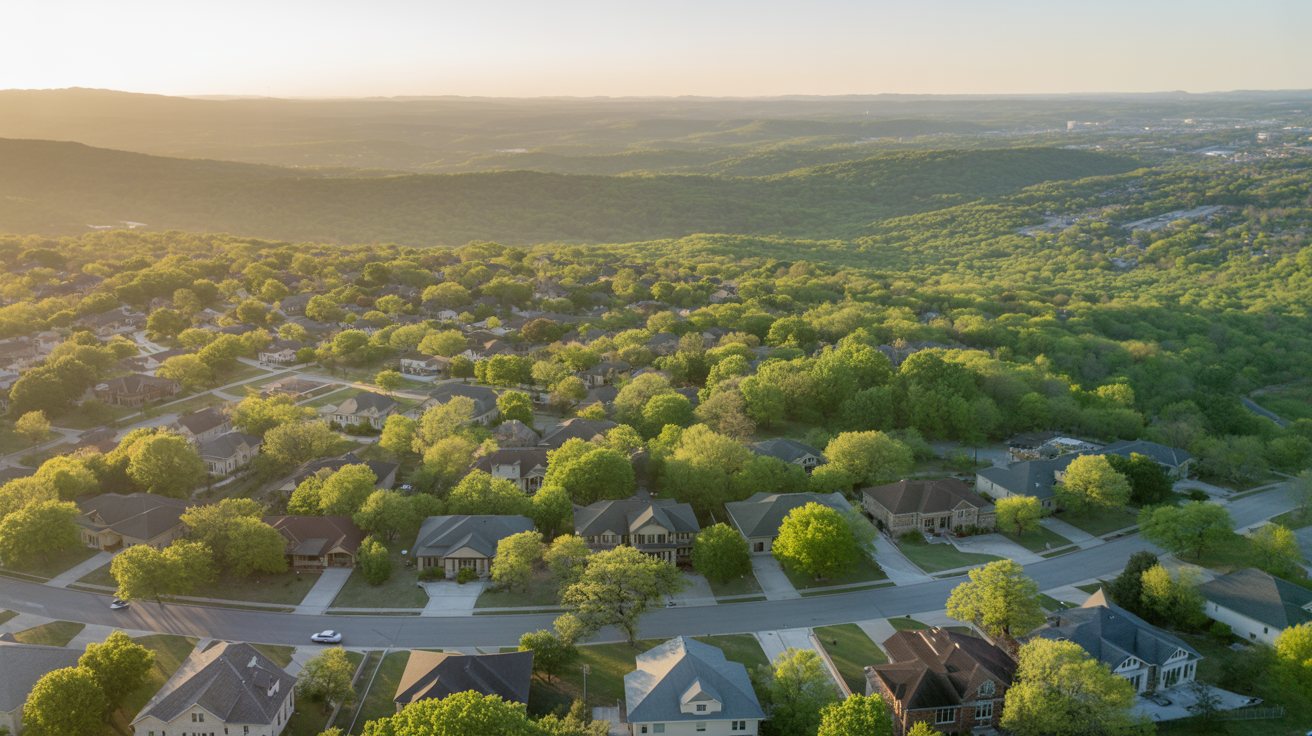
Why Austin's Climate Creates Perfect Pest Conditions
Austin's subtropical climate, with average spring temperatures ranging from 60-80°F and humidity levels often exceeding 70%, creates an ideal environment for pest reproduction and activity. The combination of mild winters and early spring warmth means many pests never fully enter dormancy, leading to year-round pressure on homes and properties.
According to Texas A&M AgriLife Extension, Central Texas experiences what entomologists call "pest pressure overlap" - where winter pests remain active while spring species begin emerging, creating peak activity periods that can overwhelm unprepared homeowners.
Did You Know? According to the CDC, pests like cockroaches can trigger asthma and allergies, making pest control not only a matter of comfort but also health.
Ready to Get Started?
Free quote • No obligation • Same-day service available
Fire Ants: Austin's Most Aggressive Spring Invader
Red imported fire ants become extremely active in Austin when soil temperatures reach 70°F, typically occurring in early March. These invasive pests, introduced to Texas in the 1950s, now infest over 95% of Central Texas properties according to Texas A&M research.
Fire Ant Biology and Behavior
Fire ant colonies can contain 200,000-500,000 workers, with queens living up to 7 years. Spring triggers massive reproductive flights, where winged males and females leave established colonies to start new ones. A single property can develop 50-100 mounds in a single season without intervention.
Immediate Action Steps
- Weekly mound monitoring: Check your property every 7 days for new mounds, especially after rain
- Eliminate food sources: Clean up pet food, fallen fruit, and sugary spills immediately
- Address moisture issues: Fix leaky irrigation, improve drainage around foundations
- Barrier treatment: Apply granular bait in a 10-foot perimeter around your home's foundation
For severe infestations affecting multiple areas of your property, professional fire ant treatment using two-step methods (broadcast bait plus individual mound treatments) provides 85-95% control rates.
Professional Tip: Engage with a licensed pest control expert to ensure effective and tested application of treatments.
Subterranean Termites: Austin's Silent Destroyers
Eastern subterranean termites cause over $2 billion in property damage annually in Texas alone. Austin's clay soil, which retains moisture and develops cracks during dry periods, provides perfect access routes for termite colonies to reach wooden structures.
Peak Swarming Season
Austin experiences primary termite swarming from mid-March through May, with secondary swarms possible through August. Swarmers emerge after warm spring rains when soil moisture reaches optimal levels - typically 24-48 hours after rainfall of 0.5 inches or more.
Early Detection Methods
| Warning Sign | What to Look For | When to Check |
|---|---|---|
| Mud tubes | Pencil-width tunnels on foundation walls | Monthly inspections |
| Swarmers | Winged insects near windows/doors | After spring rains |
| Wood damage | Hollow-sounding wood when tapped | Annual inspections |
| Frass | Small wood-colored pellets | Around wooden structures |
DIY Prevention Strategies
- Moisture control: Maintain 6-inch clearance between soil and wood siding
- Ventilation: Ensure crawl spaces have adequate airflow (1 sq ft vent per 150 sq ft space)
- Wood contact: Remove any wood-to-soil contact points around your property
- Landscaping: Keep mulch 12+ inches away from foundation walls
Professional termite control becomes essential when mud tubes are discovered or structural damage is suspected. Treatment typically involves liquid termiticides creating a protective barrier around your home's perimeter.
German Cockroaches: Kitchen and Bathroom Invaders
German cockroaches represent 95% of roach problems in Austin homes. These prolific breeders can produce 300-400 offspring per female in a single year, with populations doubling every 60 days under favorable conditions.
Spring Activity Patterns
As temperatures warm, German roach reproduction accelerates dramatically. Females begin producing egg cases (oothecae) every 20-25 days instead of the 40-50 day winter cycle. Spring cleaning activities often disturb established populations, causing them to spread throughout homes.
Targeted Control Approach
- Sanitation focus: Clean all food debris from appliances, especially under refrigerators and stoves
- Water elimination: Fix all leaks, dry sinks completely each night
- Crack sealing: Use caulk to seal gaps around plumbing, electrical penetrations
- Gel bait placement: Apply pea-sized dots in cracks, crevices where roaches travel
Scorpions: Austin's Unexpected Urban Pest
Striped bark scorpions, common throughout Central Texas, become active when nighttime temperatures consistently exceed 55°F. Austin's urban development into Hill Country habitat has increased human-scorpion encounters significantly over the past decade.
Scorpion Behavior and Risks
These arachnids hunt at night for insects, often entering homes while pursuing prey. While their sting is painful but rarely dangerous to healthy adults, children and elderly individuals may experience more severe reactions requiring medical attention.
Exclusion and Control Methods
- Exterior lighting: Switch to yellow or sodium vapor bulbs that attract fewer insects
- Seal entry points: Use weatherstripping around doors, caulk around windows
- Remove harborage: Clear brush, rock piles, lumber stacks from around your home
- Chemical barriers: Apply residual insecticides around entry points monthly
Professional scorpion control services can establish comprehensive treatment programs that address both scorpions and their insect prey, breaking the food chain that attracts them to properties.
Regional Pest Pressure in Central Texas
Austin's location in Central Texas creates unique pest challenges compared to other regions. The Balcones Fault Zone creates diverse microclimates, while rapid urban development displaces established pest populations into residential areas.
Seasonal Timeline
- March: Fire ant mounds appear, termite swarms begin
- April: Peak termite activity, roach reproduction increases
- May: Scorpion activity peaks, ant colonies expand rapidly
- June-August: All pest activity at maximum levels
Homeowners in Austin benefit from understanding these patterns to time prevention efforts for maximum effectiveness.
Creating Your Spring Pest Prevention Plan
Week 1: Inspection and Assessment
- Walk your property perimeter checking for pest signs
- Document moisture problems, entry points, harborage areas
- Check all weatherstripping and door seals
Week 2: Implement Control Measures
- Apply appropriate baits and barriers as needed
- Address any structural issues identified in Week 1
Week 3: Monitor and Adjust
- Continue monitoring pest activity
- Adjust control measures based on effectiveness
Week 4: Professional Evaluation
- Schedule a professional pest inspection for comprehensive evaluation
Frequently Asked Questions
What are the most common spring pests in Austin?
Common spring pests in Austin include fire ants, termites, German cockroaches, and scorpions.
How can I prevent pests from entering my home?
Seal entry points, maintain cleanliness, and use professional pest control services to create barriers.
Are professional pest control services necessary?
While DIY methods can be effective, professional services offer comprehensive solutions and expertise, especially for severe infestations.