

Ready to Get Started?
Free quote • No obligation • Same-day service available
Why Pre-Listing Pest Inspections Are Standard in Austin
Austin's real estate market is one of the fastest-moving in Texas. In such a competitive environment, buyers expect clean inspection reports. Any surprise findings during the option period can delay closings, trigger renegotiations, or even cancel deals entirely.
A Wood Destroying Insect (WDI) report is the industry-standard document that certifies whether a property has active or previous infestations of termites, carpenter ants, wood-boring beetles, or other wood-destroying organisms. While Texas law does not mandate WDI reports for home sales, most lenders — particularly VA and FHA — require them. Experienced Austin real estate agents often recommend pre-listing inspections to avoid last-minute issues.
According to FieldRoutes data, termite treatments consistently rank among the top pest control services in the Austin metro area. The warm Central Texas climate allows subterranean termites to remain active year-round, making proactive inspections essential for sellers and agents alike.
Did You Know? Subterranean termites cause an estimated $5 billion in property damage annually in the U.S. (Source: National Pest Management Association).
What a WDI Inspection Covers
During a WDI inspection, a licensed Texas Department of Licensing and Regulation (TDLR) inspector examines the entire visible and accessible structure for signs of wood-destroying insects and organisms. Here’s what they look for:
- Subterranean termites: Mud tubes on foundation walls, damaged wood with soil in galleries, and swarmer wings near windows.
- Drywood termites: Frass (sawdust-like pellets) below kick-out holes in wood trim.
- Carpenter ants: Smooth, excavated galleries in damp wood and sawdust piles.
- Wood-boring beetles: Small round exit holes in hardwood and powdery frass.
- Wood decay fungi: Soft, discolored wood often found in bathrooms, near plumbing, or areas with moisture intrusion.
The inspection includes the foundation, crawl space (if applicable), attic, garage, and all accessible wood-to-earth contact points.
Austin Neighborhoods with Higher Termite Risk
Termite risk varies across Austin due to differences in soil types, vegetation, and construction methods. Here are some neighborhoods with elevated termite pressure:
- Hyde Park / North Loop: Older homes (1920s–1950s) with pier-and-beam foundations and mature trees, which often result in wood-to-earth contact.
- Travis Heights / Bouldin Creek: Dense vegetation, proximity to creeks, and historic construction create ideal termite conditions.
- East Austin: Properties on expansive clay soils that retain moisture — a favorite of subterranean termites.
- South Austin / Sunset Valley: Older homes with crawl spaces and mature landscaping.
- Cedar Park / Leander: New construction on previously undeveloped land where termite colonies were already established.
For Sellers: The Strategic Advantage
Pre-listing pest inspections offer several advantages for sellers:
- Prevent deal-killing surprises: Discovering termite damage during the buyer’s option period can lead to renegotiations or cancellations. Addressing issues before listing gives you control over repairs and disclosures.
- Proactive treatment: If active termites are found, treating them before listing allows you to provide documentation and demonstrate that the problem has been resolved.
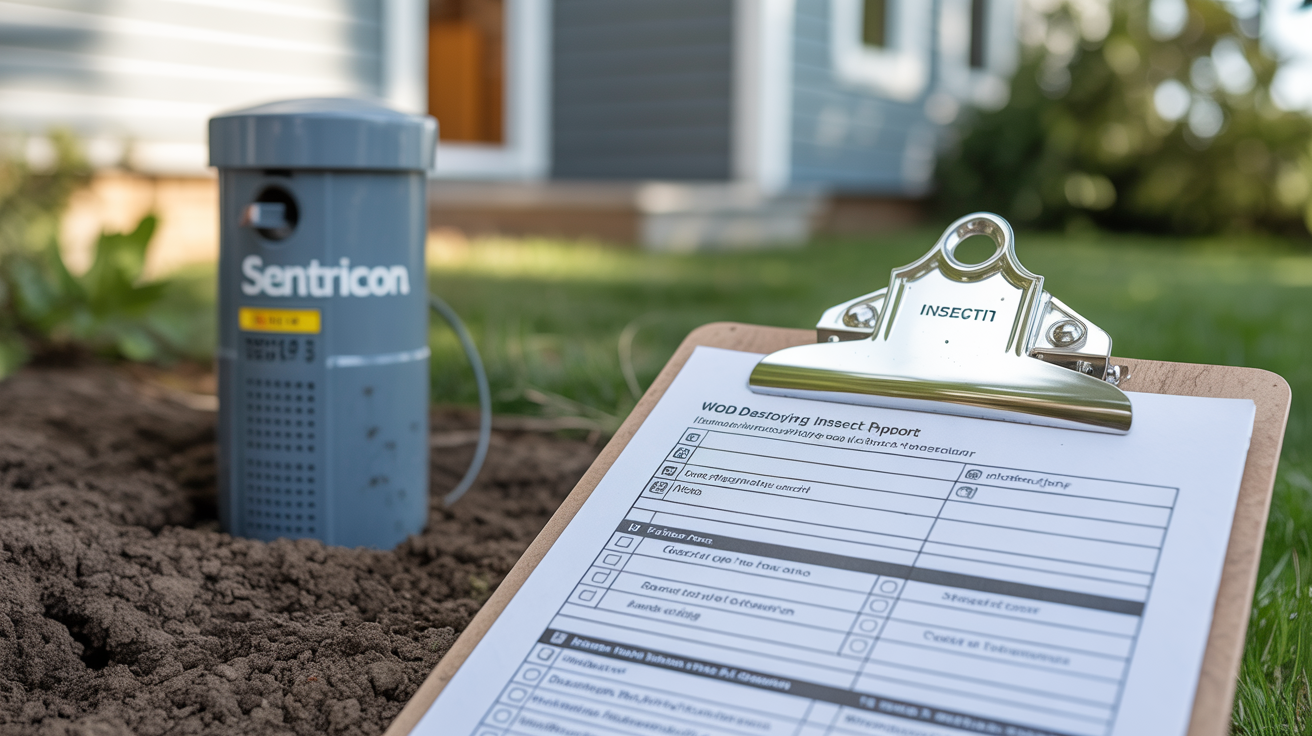
- Highlight ongoing protection: Installing a Sentricon® bait system with transferable monitoring can be a selling point, showing buyers that the property is protected.
- Speed up closing: A clean WDI report included in the disclosure package can streamline the buyer’s due diligence process.
For Austin Agents: Partner with Romex Pest Control
Romex Pest Control offers pre-listing WDI inspections tailored to the fast-paced Austin real estate market. Here’s why agents trust us:
- TDLR-licensed inspectors: Our official WDI reports meet VA, FHA, and conventional lender requirements.
- Fast turnaround: Reports are delivered digitally within 48 hours to keep your timeline on track.
- Integrated treatment plans: If active WDI is found, we provide a treatment plan and quote immediately — no need to coordinate with another vendor.
- Agent referral program: Build a reliable partnership with us and gain access to exclusive benefits for your clients.
Schedule a pre-listing WDI inspection today to ensure a smooth transaction for your Austin listing.
Impact of Pest Inspections on Property Value
Pest inspections can significantly impact property value. A clean WDI report can enhance a property's marketability, while evidence of infestations may require costly treatments and repairs, potentially reducing the sale price. According to a study by the National Association of Realtors, homes with pest issues can see a price reduction of up to 20%.
Impact on Long-Term Property Maintenance
Regular pest inspections and treatments are crucial for long-term property maintenance. They help prevent structural damage and preserve property value. The Environmental Protection Agency (EPA) recommends regular inspections as part of a comprehensive home maintenance plan.
Pest Control Technologies Used
Romex Pest Control employs advanced technologies such as Sentricon® bait systems and integrated pest management strategies. These methods are tested and approved for effectiveness, ensuring long-term protection against pests.
Pest Control and Home Insurance
While most standard home insurance policies do not cover termite damage, maintaining regular pest inspections can prevent costly repairs and demonstrate proactive maintenance to insurers. This can sometimes lead to better terms or premiums. Consult with your insurance provider for specific policy details.
FAQs About Pre-Listing Pest Inspections
- How much does a WDI inspection cost?
- WDI inspections typically range from $75 to $150, depending on the property size and location. Contact us for a personalized quote.
- What happens if termites are found?
- If termites are found, we provide a detailed treatment plan and cost estimate. Our solutions include Sentricon® bait systems and other professional treatments.
- Are WDI inspections required for all home sales?
- While not legally required in Texas, most lenders, especially VA and FHA, mandate a WDI report for financing approval.
- How often should pest inspections be conducted?
- It is recommended to conduct pest inspections annually, or more frequently in high-risk areas.
- Can pest inspections be scheduled online?
- Yes, you can schedule a pest inspection through our online portal.
Romex Pest Control's Community Involvement
Romex Pest Control is committed to giving back to the community. We regularly participate in local events and support initiatives that promote environmental sustainability and public health. Our team volunteers in educational programs to raise awareness about pest management and prevention.
Professional Tip from Romex Technicians
"Regularly check for signs of moisture around your home, as damp areas are attractive to termites and other pests. Addressing leaks and ensuring proper drainage can significantly reduce pest risks." - Romex Technician
Company History and Mission
Founded in 2005, Romex Pest Control has grown to become a trusted name in pest management across Texas, Louisiana, Oklahoma, and Mississippi. Our mission is to provide effective and reliable pest control solutions while prioritizing customer satisfaction and safety.
Summary
Pre-listing pest inspections are a strategic move for sellers and agents in Austin's competitive real estate market. By partnering with Romex Pest Control, you can ensure a smooth transaction process, protect property values, and maintain long-term property health. Contact us today to schedule your inspection and experience the Romex difference.