
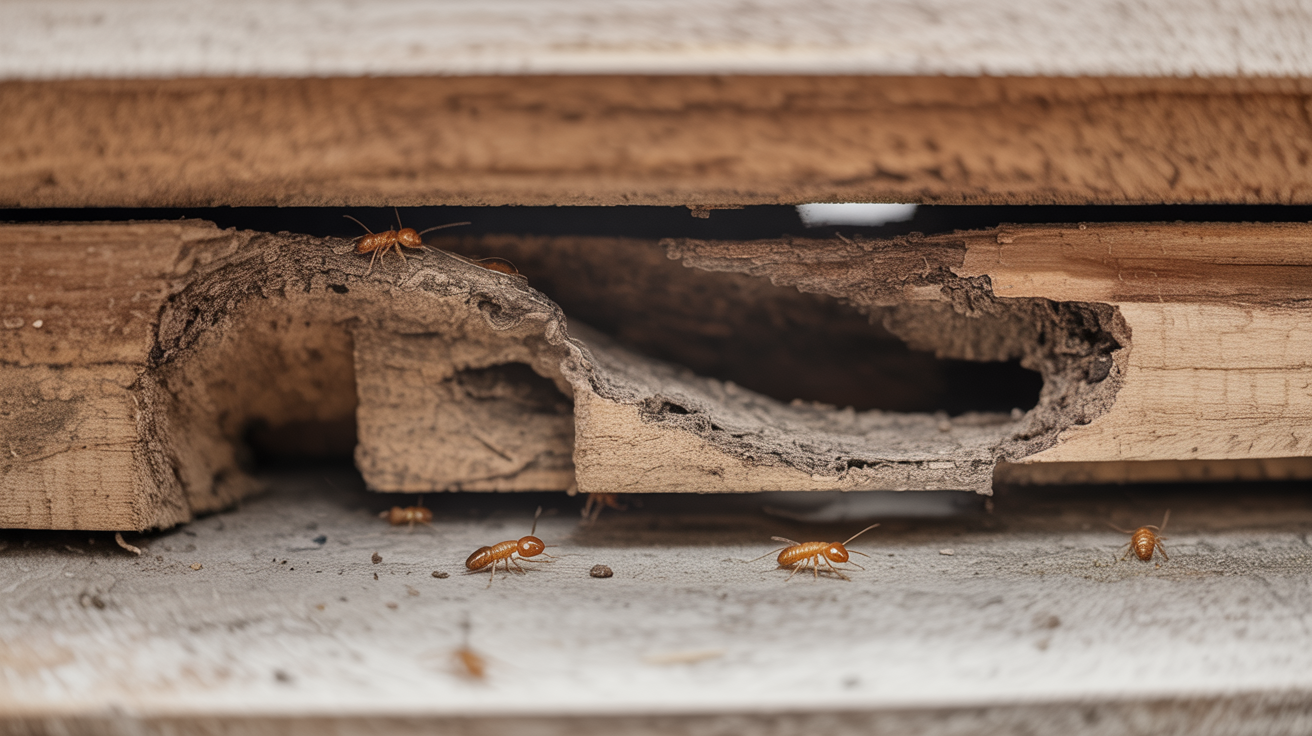
Understanding the Impact of Termite Damage
Every year, termites cause over $5 billion in property damage across the United States—more than fires, floods, and storms combined, according to the National Pest Management Association. Unlike these dramatic disasters, termite damage happens silently, often going undetected until structural integrity is compromised and repair costs soar into tens of thousands of dollars.
If you're a homeowner in the South, where our warm, humid climate creates perfect conditions for termite activity, understanding the true economics of termite prevention versus damage repair isn't just helpful—it's essential for protecting your largest investment.
Ready to Get Started?
Free quote • No obligation • Same-day service available
The Hidden Economics of Termite Damage
According to the EPA, the average termite damage repair costs homeowners between $3,000 and $8,000, but severe infestations can require $15,000 to $30,000 in structural repairs. What makes these numbers particularly devastating is that homeowner's insurance typically doesn't cover termite damage, considering it preventable maintenance.
Why Termite Damage Costs Escalate Quickly
Termites don't just eat wood—they strategically target structural elements that compromise your home's integrity:
- Floor joists and support beams: Replacement requires extensive demolition and reconstruction
- Wall studs: Damage often necessitates complete wall removal and rebuilding
- Foundation elements: Compromised foundation supports can affect entire sections of your home
- Flooring systems: Subfloor damage typically requires complete floor replacement
Regional Termite Pressure: Why Location Matters
The University of Florida's entomology research shows that termite pressure varies significantly by region, and unfortunately for Southern homeowners, our service areas in Texas, Oklahoma, Louisiana, and Mississippi fall into high-risk zones.
Climate Factors Affecting Termite Activity
| Region | Primary Species | Peak Activity | Risk Level |
|---|---|---|---|
| Texas (DFW, Austin, San Antonio) | Subterranean, Drywood | March-June, September-November | Very High |
| Oklahoma (OKC, Tulsa) | Subterranean | April-June | High |
| Louisiana (New Orleans area) | Subterranean, Formosan | Year-round | Extreme |
| Mississippi (Gulf Coast) | Subterranean, Formosan | Year-round | Extreme |
Texas A&M AgriLife Extension data reveals that our region's combination of warm temperatures, high humidity, and abundant moisture creates optimal conditions for multiple termite species, including the particularly aggressive Formosan termites along the Gulf Coast.
Early Detection: Your First Line of Financial Defense
The difference between catching a termite infestation early versus late can literally be tens of thousands of dollars. Here's what homeowners need to know about identifying problems before they become disasters.
Spring Swarming: The Most Visible Warning Sign
Termite swarms typically occur from March through June in our service areas, with timing varying by species and local weather patterns. During swarming, reproductive termites emerge to establish new colonies, providing homeowners with their best opportunity for early detection.
What to look for during swarming season:
- Winged insects around windows, doors, and light sources
- Discarded wings near entry points
- Small holes in wood surfaces
- Mud tubes along foundation walls
- Hollow-sounding wood when tapped
Year-Round Detection Strategies
Beyond swarming season, homeowners should conduct monthly inspections focusing on these high-risk areas:
- Foundation perimeter: Look for mud tubes, which subterranean termites build to travel between soil and wood
- Crawl spaces and basements: Check wooden supports for hollow sounds or visible damage
- Areas with moisture issues: Leaky pipes, poor drainage, and high humidity attract termites
- Wood-to-ground contact points: Deck posts, porch steps, and landscape timbers
The Economics of Prevention vs. Reaction
When comparing the costs of proactive termite prevention versus reactive damage repair, the mathematics strongly favor prevention—but the comparison goes beyond simple dollar amounts.
Prevention Cost Analysis
Professional termite prevention typically involves:
- Initial inspection and treatment: $800-$1,500 for average homes
- Annual monitoring and maintenance: $300-$500
- Total 10-year prevention cost: $4,000-$6,500
Damage Repair Cost Reality
Actual termite damage repairs often include:
- Structural assessment and engineering: $500-$1,500
- Demolition and debris removal: $2,000-$5,000
- Lumber and materials replacement: $3,000-$8,000
- Labor and reconstruction: $5,000-$15,000
- Finishing and restoration: $2,000-$5,000
- Total single-incident cost: $12,500-$34,500
Beyond direct costs, termite damage creates additional financial impacts:
- Temporary housing expenses during major repairs
- Decreased property value until repairs are completed
- Potential complications with future home sales
- Lost time and stress from managing extensive repairs
DIY Prevention Strategies That Actually Work
While professional treatment provides the most comprehensive protection, homeowners can implement several effective strategies to reduce termite risk and catch problems early.
Moisture Control: The Foundation of Prevention
According to EPA guidelines, moisture control represents the most important factor in termite prevention:
- Fix leaks immediately: Even small plumbing leaks create attractive conditions for termites
- Improve drainage: Ensure water flows away from your foundation
- Maintain gutters: Clean gutters prevent water accumulation near your home
- Use dehumidifiers: Keep crawl spaces and basements below 50% humidity
- Ventilate properly: Ensure adequate airflow in enclosed spaces
Physical Barriers and Habitat Modification
Simple changes to your property can significantly reduce termite attractiveness:
- Remove wood-to-soil contact: Keep lumber, mulch, and debris away from your foundation
- Maintain clearance: Ensure 6-inch minimum clearance between soil and wooden structures
- Choose resistant materials: Use concrete, steel, or naturally resistant woods for ground-contact applications
- Landscape strategically: Plant shrubs and trees away from your home's foundation
Regular Monitoring Protocol
Establish a monthly inspection routine focusing on these key indicators:
- Foundation inspection: Walk your home's perimeter looking for mud tubes
- Wood probing: Test suspected areas with a screwdriver or awl
- Moisture assessment: Check for leaks, standing water, or high humidity
- Documentation: Photograph any suspicious findings for professional evaluation
When Professional Intervention Becomes Essential
While DIY prevention strategies provide valuable protection, certain situations require professional expertise to prevent catastrophic damage.
Red Flag Situations Requiring Immediate Professional Assessment
- Discovery of live termites or fresh mud tubes
- Hollow-sounding wood in structural elements
- Visible wood damage or sawdust accumulation
- Previous termite history in your neighborhood
- Major moisture problems or flooding
Professional Treatment Advantages
Licensed pest control professionals offer tested and approved treatments that are tailored to your specific situation, ensuring effective management of termite threats.
FAQ
What are the signs of a termite infestation?
Common signs include mud tubes, hollow-sounding wood, and discarded wings near windows and doors.
How often should I have my home inspected for termites?
It's recommended to have a professional inspection annually, especially in high-risk areas.
Are there eco-friendly pest control options?
While we don't claim treatments are "eco-friendly," Romex Pest Control uses professional and tested methods to manage pest issues effectively.