
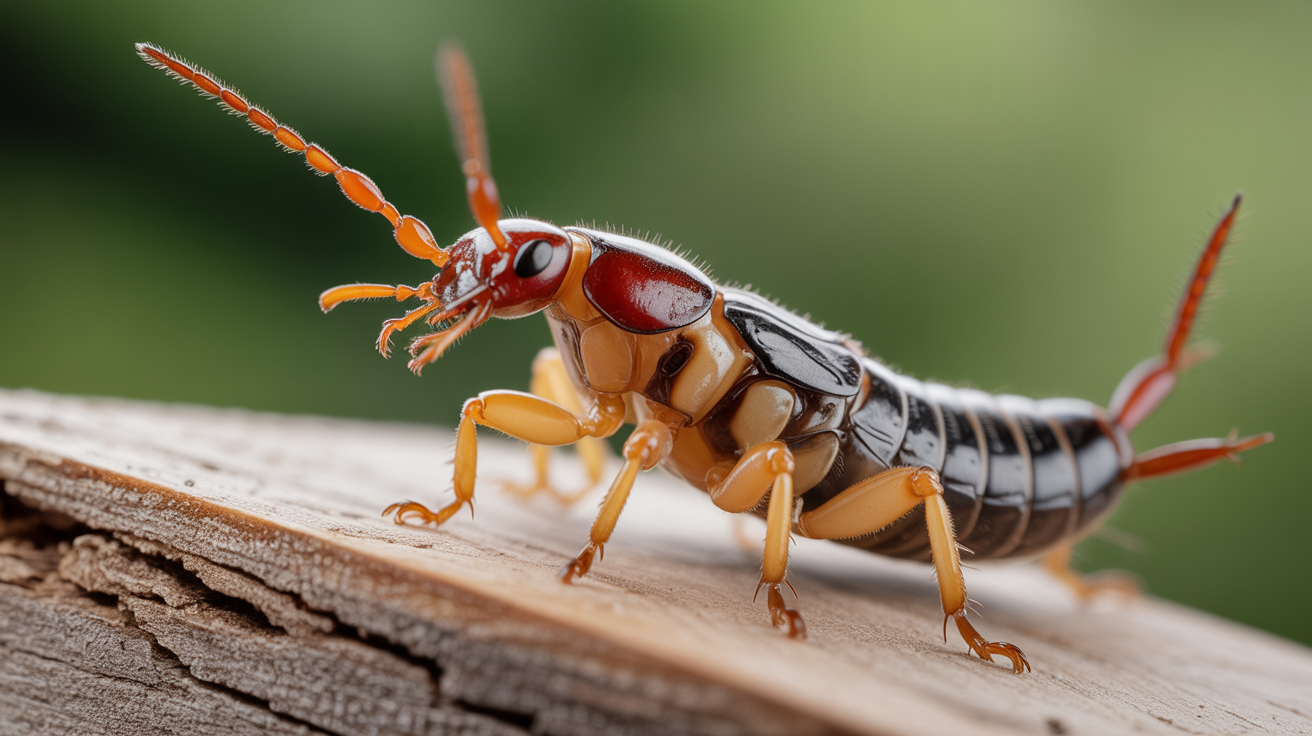
Understanding Louisiana's Earwig Problem: More Than Just a Scary Name
If you've found those distinctive pincer-tailed insects scurrying across your bathroom floor at 2 AM, you're not alone. Louisiana's humid subtropical climate creates perfect conditions for earwigs, and our Gulf Coast region sees some of the highest earwig activity in the country. Despite their intimidating appearance and the persistent myth that they crawl into ears, earwigs are primarily nuisance pests—but they can become a serious problem when populations explode.
According to the Louisiana State University Agricultural Center, earwig complaints spike during our wet seasons, particularly from April through October when humidity levels consistently exceed 70%. The European earwig (Forficula auricularia) dominates our region, though we also see ring-legged earwigs (Euborellia annulipes) along the coast.
Ready to Get Started?
Free quote • No obligation • Same-day service available
Why Louisiana Homes Attract Earwigs: Climate and Construction Factors
Our state's unique environmental conditions create an earwig paradise. Understanding these factors helps explain why traditional pest control approaches often fail here.
Humidity and Moisture
Earwigs require moisture to survive—they literally dry out and die in low humidity. Louisiana's average humidity of 75-85% means earwigs can survive almost anywhere outdoors. They're particularly drawn to:
- Air conditioning condensation around outdoor units
- Poor drainage areas common in our clay soils
- Mulched flower beds that retain moisture
- Leaky outdoor faucets and irrigation systems
Structural Vulnerabilities
Many Louisiana homes have construction features that inadvertently invite earwigs:
- Pier and beam foundations: Create perfect hiding spots in crawl spaces
- Extensive outdoor living areas: More entry points and harborage near the home
- Older weatherstripping: Humidity causes rapid deterioration, creating gaps
- Landscape lighting: Attracts the flying insects that earwigs hunt
Romex Pest Control: Mission and Values
At Romex Pest Control, our mission is to provide reliable and effective pest management solutions tailored to the unique challenges of the Gulf Coast region. We are committed to using professional-grade treatments and staying updated with the latest industry developments to ensure the safety and satisfaction of our customers.
Certifications
Earwig Biology: Know Your Enemy
Effective control requires understanding earwig behavior and life cycles. These aren't random invaders—they follow predictable patterns you can exploit.
Life Cycle and Timing
Female earwigs lay 20-50 eggs in underground chambers during fall and winter. In Louisiana's mild climate, this can happen twice per year. Eggs hatch in spring, and nymphs mature through 4-5 molts over 70-80 days. This means peak adult activity occurs in late spring (May-June) and again in late summer (August-September).
Daily Activity Patterns
Earwigs are strictly nocturnal. During daylight, they hide in dark, moist crevices within 2-3 feet of ground level. At night, they emerge to hunt soft-bodied insects, scavenge organic matter, and seek new harborage sites. Understanding this pattern is crucial for effective treatment timing.
Food Preferences
While omnivorous, earwigs in Louisiana primarily eat:
- Decaying plant matter (fallen leaves, mulch)
- Soft insects (aphids, larvae, eggs)
- Occasionally live plant material (seedlings, flower petals)
- Indoors: crumbs, pet food, organic debris
Professional-Grade Prevention Strategies You Can Implement Today
Based on our experience treating hundreds of Louisiana homes, here are the most effective prevention methods that actually work in our climate:
Moisture Management (Priority #1)
Immediate actions:
- Fix all exterior water leaks within 24 hours—earwigs can detect moisture from 20+ feet away
- Redirect air conditioning condensation away from the foundation using flexible drain tubing
- Remove or replace mulch within 18 inches of the home's foundation
- Clean gutters and ensure proper drainage—standing water in gutters attracts massive earwig populations
Exclusion and Sealing
Focus areas for Louisiana homes:
- Door thresholds: Install or replace door sweeps, ensuring no gaps exceed 1/16 inch
- Utility penetrations: Seal around pipes, cables, and vents with silicone caulk
- Foundation cracks: Even hairline cracks provide entry—seal with appropriate masonry caulk
- Window wells: Install fine mesh screens in basement window wells
Landscape Modifications
Strategic changes that reduce earwig habitat:
- Replace organic mulch with inorganic alternatives (gravel, rubber) in a 2-foot perimeter around the home
- Trim vegetation so no plants touch exterior walls
- Remove ivy, thick groundcover, and dense shrubs near entry points
- Eliminate outdoor lighting or switch to yellow sodium lights that attract fewer insects
DIY Treatment Options: What Works (and What Doesn't) in Louisiana
Effective DIY Approaches
Diatomaceous earth application: Food-grade diatomaceous earth works well in dry areas like garages and attics. Apply a thin line around entry points, but reapply after rain or high humidity.
Sticky trap monitoring: Place sticky traps along baseboards in problem areas. This helps identify entry points and monitors population levels. Replace weekly during peak season.
Rubbing alcohol spray: Mix 70% isopropyl alcohol with water (1:1 ratio) for contact killing. Spray directly on earwigs for immediate results, but this won't prevent new invasions.
Why Most DIY Methods Fail in Louisiana
Boric acid treatments: Humidity reduces effectiveness within days. Earwigs also don't groom like ants or cockroaches, so they're less likely to ingest boric acid.
Essential oil repellents: Temporary at best in our humid climate. Oils dissipate quickly and provide minimal residual protection.
Coffee grounds and citrus peels: Popular online but scientifically unsupported. May actually attract other pests.
When to Call Professionals: Red Flags and Treatment Expectations
Call for Professional Help When:
- You're finding more than 5-10 earwigs per week indoors
- Earwigs are appearing in multiple rooms, especially bedrooms or kitchens
- DIY efforts haven't reduced numbers after 2-3 weeks
- You're seeing earwigs during daylight hours (indicates severe overcrowding)
- Property has extensive landscaping or moisture issues beyond DIY repair
Professional Treatment Advantages
Professional earwig control addresses the problem systematically:
- Residual treatments: Professional-grade materials provide 60-90 day protection even in humid conditions
- Targeted application: Precise placement in harborage areas you can't easily access
- Integrated approach: Combines multiple treatment methods based on property-specific conditions
- Follow-up monitoring: Ensures treatments remain effective through seasonal changes
Seasonal Earwig Management for Louisiana
Spring and Summer Strategies
During the peak activity months of May through September, focus on moisture control and exclusion techniques. Regularly inspect and maintain seals around windows and doors, and ensure all drainage systems are functioning properly.
Fall and Winter Preparations
As temperatures drop, earwigs seek shelter indoors. Increase monitoring efforts and apply preventative treatments around the home's perimeter to deter entry.
Case Studies: Success Stories from the Field
Our team at Romex Pest Control has successfully managed earwig infestations across various properties in Louisiana. One notable case involved a historic home in New Orleans where we implemented a comprehensive moisture management and exclusion strategy, resulting in a 90% reduction in earwig sightings within two months.
Impact of Pest Control on Local Ecosystems
While earwigs can be a nuisance, they play a role in controlling aphid populations in gardens. Our approach at Romex Pest Control is to minimize ecological disruption by targeting only problematic populations and using treatments that have been tested and approved for safety and efficacy.
For more information on the ecological impact of pest control, visit the Environmental Protection Agency (EPA) website.
FAQ
Are earwigs dangerous to humans?
Earwigs are not dangerous to humans. They do not bite or spread diseases but can cause damage to plants and become a nuisance indoors.
How can I prevent earwigs from entering my home?
Focus on moisture management and sealing entry points. Regular maintenance and professional inspections can significantly reduce the risk of infestation.
What should I do if I find earwigs in my home?
Start with DIY methods like diatomaceous earth and sticky traps. If the problem persists, consider contacting a professional pest control service.