
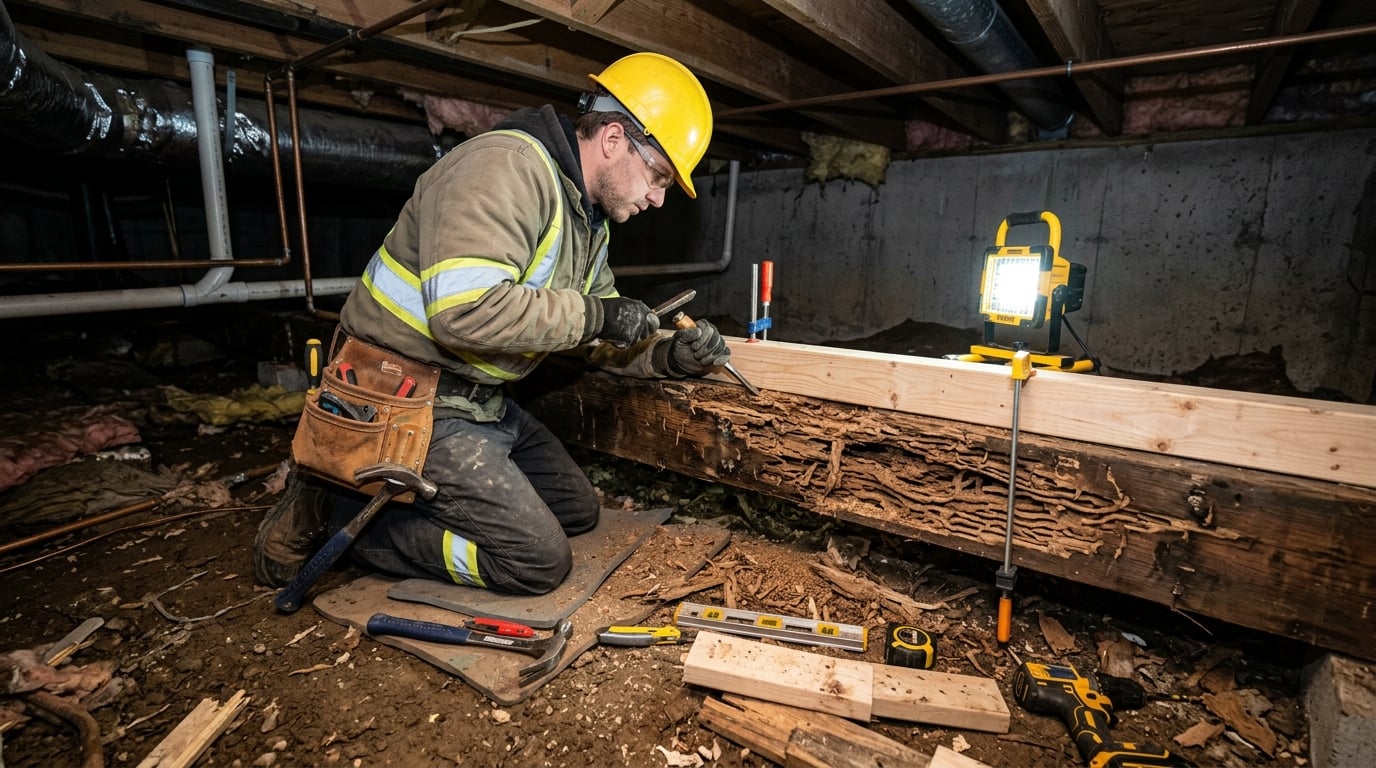
Completing termite treatment is a significant step in protecting your home. Whether professionals have applied a barrier, installed bait stations, or both, you might wonder what comes next. This guide will help you navigate the post-treatment phase, enriched with expert insights and regional specifics for Texas, Louisiana, Oklahoma, and Mississippi.
Table of Contents
Ready to Get Started?
Free quote • No obligation • Same-day service available
Immediately After Treatment: What to Expect
The First 24–48 Hours
- Liquid barrier treatments: A slight chemical odor near treated areas is normal and should dissipate within a day or two. The treated zone is considered safe once dry.
- Sentricon® bait stations: These are discreet and flush with the ground, requiring no post-installation precautions. Activity monitoring begins immediately.
- Termite sightings: It's normal to see termites post-treatment. Termites inside walls don't die instantly. Liquid barriers kill exposed termites within days, while bait systems may take weeks to months for colony elimination.
The First 30 Days
Monitor treated areas for new mud tubes or fresh swarmers. If these appear after 30 days, contact your pest control provider — your warranty should cover follow-up treatment.
🛡️ Protect Your Home from Termites
Romex Pest Control offers FREE termite inspections across Texas, Oklahoma, Louisiana & Mississippi. Serving since 2016.
Schedule Your FREE Termite Inspection →Assessing the Damage
After eliminating termites, assess the damage they left behind. Not all termite damage requires repair — here's how to evaluate:
Cosmetic Damage (Minor)
Surface-level issues not affecting structural integrity:
- Damaged baseboards or trim
- Bubbled or peeling paint on walls
- Small areas of eaten drywall
- Damaged door or window frames
Typical repair cost: $200–$1,500 depending on extent
Moderate Damage
Damage affecting functionality but not structural safety:
- Weakened subfloor areas (spongy or sagging floors)
- Extensively damaged window/door frames affecting operation
- Damaged deck or porch framing
Typical repair cost: $1,500–$5,000
Structural Damage (Severe)
Damage compromising the building's structural integrity requires immediate professional assessment:
- Compromised floor joists or ceiling joists
- Damaged load-bearing walls or headers
- Weakened roof trusses
- Sill plate or rim joist deterioration
Typical repair cost: $5,000–$15,000+
Critical: If you suspect structural damage, hire a licensed structural engineer or contractor for assessment before beginning repairs. This is not a DIY situation.
The Repair Process: Step by Step
- Complete termite treatment first — never repair before treatment is complete, or termites will damage new materials
- Get a professional damage assessment — your pest control company can identify damaged areas, but a contractor should evaluate structural concerns
- Remove and replace damaged wood — affected lumber, framing, and trim should be replaced with treated or naturally resistant wood when possible
- Address moisture issues — termites are attracted to moisture, so fix any leaks, improve drainage, and ensure proper ventilation in crawl spaces
- Restore cosmetic finishes — repaint, reinstall trim, and replace drywall last (after structural work is complete)
Does Insurance Cover Termite Damage Repair?
In most cases, no. Standard homeowner's insurance in Texas, Oklahoma, Louisiana, and Mississippi excludes termite damage because it's considered preventable through maintenance. Early detection and prevention are crucial — catching termites early dramatically lowers repair costs.
Preventing Future Infestations
After treatment and repairs, take these steps to reduce re-infestation risk:
- Maintain your treatment plan — keep Sentricon® monitoring active or schedule liquid barrier retreatment when due
- Reduce wood-to-soil contact — ensure at least 6 inches between soil and any wood structures
- Fix moisture problems — repair leaks, improve gutter drainage, and ventilate crawl spaces
- Annual inspections — even with active treatment, annual professional inspections catch issues early
- Remove cellulose debris — woodpiles, tree stumps, and construction debris near your foundation attract termites
The best repair is the one you never need. If you're concerned about termite activity — or want to ensure your current protection is working — schedule a FREE inspection with Romex.
Ready to Protect Your Home?
Don't wait until termite damage worsens. Get a FREE professional termite inspection from Romex Pest Control — no obligation, no pressure.
Claim Your FREE Inspection →📞 Or call 844-955-2447
Frequently Asked Questions
How long does it take for termites to die after treatment?
Depending on the treatment type, termites may take a few days to weeks to die. Liquid treatments typically kill exposed termites within days, while bait systems may take weeks to months to eliminate the colony.
What are the signs that termites are gone?
Signs include the absence of new mud tubes, swarmers, and reduced termite activity in monitoring stations. Regular inspections are crucial to confirm their absence.
What should I do if I suspect structural damage?
If you suspect structural damage, contact a licensed structural engineer or contractor for a professional assessment. This is crucial before beginning any repair work.
Did You Know?
Termites cause over $5 billion in property damage annually in the U.S. alone. Early detection and professional treatment are key to minimizing costs. Source: EPA
Professional Tip
For effective termite prevention, ensure your home’s foundation is free from moisture issues and regularly inspect for signs of termite activity. Consult with a pest control professional for tailored advice.
For more information on our services, visit our services page.
About Romex Pest Control
Since 2016, Romex Pest Control has been providing expert pest management solutions across Texas, Louisiana, Oklahoma, and Mississippi. Our team of certified professionals is dedicated to protecting your home with the latest industry-approved methods. Learn more about our history and achievements.
Industry Certifications
Romex Pest Control is proud to be certified by the National Pest Management Association and adheres to the highest standards of pest control practices.