
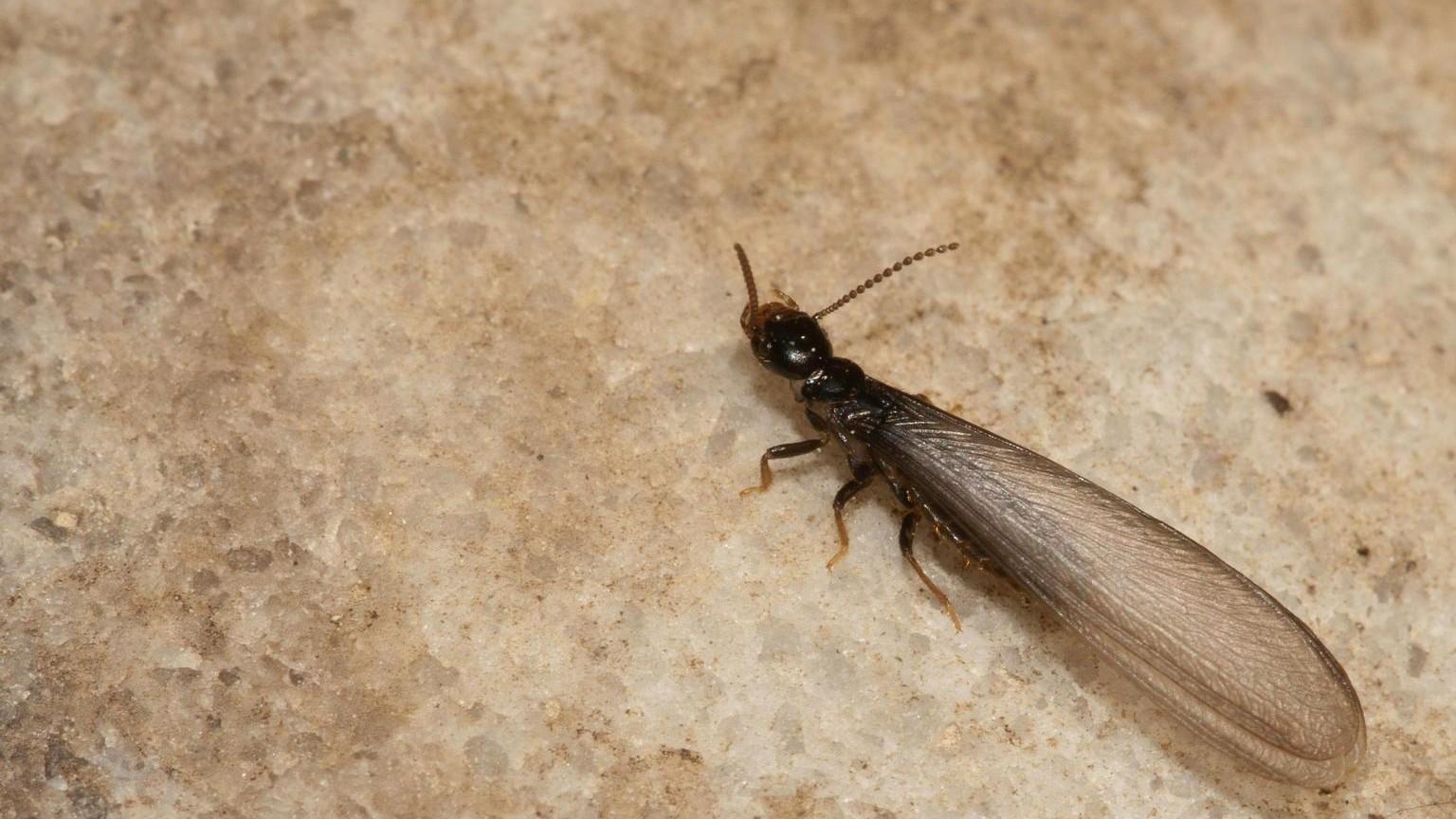
The humid, warm climate of the American South creates perfect conditions for termite infestations. In our region, we deal primarily with three destructive species: subterranean termites, Formosan termites, and drywood termites. Each leaves distinct warning signs, but homeowners often overlook these early indicators until significant structural damage has occurred.
According to the EPA, termites cause over $5 billion in property damage annually in the United States, with the majority occurring in southern states. The key to protecting your investment lies in recognizing these warning signs before major damage occurs.
Understanding Southern Termite Species
Before diving into warning signs, it's crucial to understand which termites you're likely encountering in our region:
Subterranean Termites
The most common species across Texas, Oklahoma, Louisiana, and Mississippi. They require soil contact and build mud tubes to travel above ground. Peak swarming occurs in spring (March-May) when soil temperatures reach 70°F.
Formosan Termites
Particularly aggressive in Louisiana and coastal areas of Texas and Mississippi. These "super termites" can establish aerial colonies in wall voids without soil contact, making them especially destructive to homes.
Drywood Termites
More common in southern Texas and Louisiana. They infest dry wood directly and don't require soil contact, making them harder to detect initially.
Ready to Get Started?
Free quote • No obligation • Same-day service available
10 Critical Early Warning Signs
1. Mud Tubes on Foundation Walls
Subterranean termites construct pencil-thin to finger-width mud tubes along foundation walls, basement walls, and crawl spaces. These protective tunnels allow termites to travel from soil to wood while maintaining the humid environment they need to survive.
What to do: Check your foundation monthly, paying special attention to areas where the foundation meets soil. Use a flashlight to inspect dark corners and behind stored items.
2. Discarded Wings Near Windows and Doors
During swarming season (typically March through June in our region), reproductive termites shed their wings after finding a mate. You'll find small, translucent wings scattered near light sources, windowsills, and door frames.
Regional timing: In Texas and Oklahoma, peak swarming occurs in late April to early May. Louisiana and Mississippi often see earlier swarms in March due to warmer temperatures.
3. Wood That Sounds Hollow When Tapped
Termites consume wood from the inside out, leaving a thin veneer that sounds hollow when tapped. Test wooden door frames, baseboards, and support beams by tapping with a screwdriver handle.
Pro tip: Compare the sound to similar wood in different areas of your home. Termite-damaged wood produces a noticeably different, hollow sound.
4. Small Holes in Drywall
Termites create small, round exit holes in drywall when swarmers emerge. These holes are typically 1/8 inch in diameter and may have a small pile of debris beneath them.
5. Frass (Termite Droppings)
Drywood termites push their pellet-shaped droppings out of their galleries. Look for small piles of hexagonal pellets that resemble sawdust or coffee grounds near wooden structures.
Key identifier: Unlike sawdust, termite frass has a consistent pellet shape and may vary in color from light tan to dark brown, depending on the wood being consumed.
6. Bubbling or Peeling Paint
Moisture from termite activity can cause paint to bubble or peel, especially on wooden surfaces. This occurs because termites introduce moisture into the wood as they tunnel and create galleries.
7. Stuck Windows or Doors
As termites consume wood and introduce moisture, window and door frames may warp, causing them to stick or become difficult to open and close.
8. Visible Damage to Exposed Wood
Look for maze-like patterns in wooden structures, especially in basements, crawl spaces, and attics. Termites follow the wood grain, creating distinctive gallery patterns.
9. Live Termites in Wood
If you break open damaged wood and find live, cream-colored insects about 1/4 inch long, you've likely discovered an active infestation. Worker termites are soft-bodied and avoid light.
10. Sagging Floors or Ceilings
Advanced infestations can cause structural sagging as termites weaken load-bearing wooden elements. This is often accompanied by squeaking floorboards or visible sagging in ceiling joists.
Regional Risk Factors in the South
Climate Considerations
Our region's high humidity (often 60-80%) and warm temperatures create ideal conditions for termite activity year-round. According to Texas A&M AgriLife Extension, soil temperatures above 50°F allow subterranean termites to remain active throughout most of the winter in our service areas.
Construction Factors
Many homes in Texas, Oklahoma, Louisiana, and Mississippi feature:
- Slab-on-grade foundations that can develop cracks over time
- Wooden siding in direct contact with soil
- Crawl spaces with poor ventilation
- Wooden deck posts set directly in soil
These construction features increase termite risk and require regular monitoring.
Monthly Inspection Checklist
Perform these inspections monthly to catch early signs:
| Area | What to Check | Tools Needed |
|---|---|---|
| Foundation | Mud tubes, cracks, wood-to-soil contact | Flashlight, screwdriver |
| Basement/Crawl Space | Wooden beams, moisture levels, live insects | Flashlight, moisture meter |
| Windows/Doors | Discarded wings, frame damage, operation | Vacuum, flashlight |
| Attic | Roof timbers, frass piles, moisture damage | Flashlight, protective gear |
| Exterior | Deck posts, siding, landscaping contact | Screwdriver, measuring tape |
When to Call Professionals
While regular inspections help identify potential problems, certain situations require immediate professional attention:
- Discovery of live termites or active mud tubes
- Multiple warning signs in different areas of your home
- Structural damage like sagging floors or ceilings
- Previous termite treatment that may need renewal
- Buying or selling a home in our high-risk region
Professional termite inspections use specialized equipment like moisture meters and acoustic detection devices to identify hidden infestations that homeowners might miss.
Prevention Strategies That Work
Moisture Control
Eliminate moisture sources that attract termites:
- Fix leaky pipes and faucets immediately
- Ensure proper drainage around your foundation
- Use dehumidifiers in basements and crawl spaces
- Clean gutters regularly to prevent water backup
Structural Modifications
- Maintain an 18-inch gap between soil and wooden siding
- Remove wooden debris from around your foundation
- Replace wooden mulch with alternatives like gravel or rubber mulch near your home
- Seal cracks in your foundation with appropriate caulk or concrete
Regular Maintenance
- Trim vegetation away from your home's exterior
- Store firewood at least 20 feet from your house and 5 inches off the ground
- Ensure proper ventilation in crawl spaces and attics
- Schedule annual professional inspections
Cost of Delayed Detection
The financial impact of missing early termite signs can be substantial:
- Early detection: Treatment costs typically range from $500-$1,500
- Moderate damage: Treatment and repair costs can escalate significantly, often reaching $3,000-$5,000
- Severe damage: Extensive repairs and structural replacements can exceed $10,000
Early detection and intervention are crucial to minimize costs and protect your home investment.