
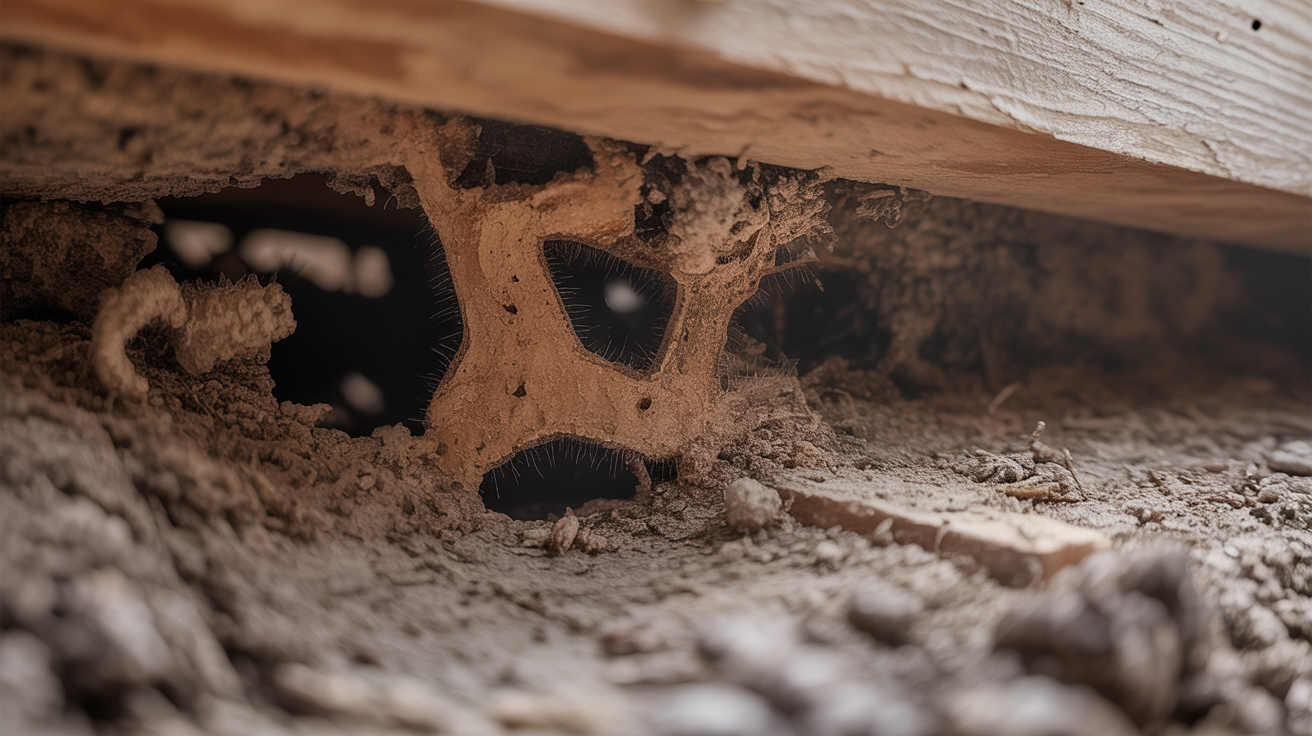
Understanding Termite Behavior in the Southern United States
Termites are among the most destructive pests homeowners can face, causing over $5 billion in property damage annually across the United States (EPA). In the humid, warm climate of Texas, Oklahoma, Louisiana, and Mississippi, subterranean termites thrive year-round, making early detection and proper treatment critical for protecting your home's structural integrity.
Unlike many pests that are merely nuisances, termites can literally eat your house from the inside out. A mature colony can contain 60,000 to over 1 million individuals, with worker termites consuming cellulose 24 hours a day. According to the EPA, termites cause more damage to homes than fires, storms, and earthquakes combined.
Ready to Get Started?
Free quote • No obligation • Same-day service available
Comprehensive Signs of Termite Infestation
Early detection is crucial because termites work silently and often remain hidden for years. Here's what to look for during your regular home inspections:
Exterior Warning Signs
- Mud tubes: Pencil-thin to finger-wide tunnels along your foundation, walls, or crawl spaces. These protect termites from predators and maintain moisture levels.
- Damaged wood around foundation: Wood that sounds hollow when tapped or appears darker than surrounding areas.
- Discarded wings: Small, translucent wings near windows, doors, or light sources, especially after warm spring rains.
- Frass (termite droppings): Small, pellet-like droppings that look like sawdust or coffee grounds.
Interior Warning Signs
- Hollow-sounding wood: Tap wooden beams, floors, and door frames with a screwdriver handle.
- Tight-fitting doors and windows: Warping caused by termite damage and moisture.
- Buckling paint or wallpaper: Often the first visible sign of termite damage beneath surfaces.
- Small holes in drywall: Exit holes where termites have emerged.
- Sagging floors or loose tiles: Advanced structural damage from prolonged feeding.
Seasonal Activity Patterns
Understanding when termites are most active in our region helps with detection timing:
| Season | Activity Level | What to Watch For |
|---|---|---|
| Spring (March-May) | Peak swarming season | Winged termites, discarded wings |
| Summer (June-August) | Heavy feeding activity | New mud tubes, increased damage |
| Fall (September-November) | Preparation for winter | Deeper tunneling, less visible activity |
| Winter (December-February) | Reduced but continuous | Damage assessment time |
Romex Pest Control: Expertise and Credentials
Romex Pest Control has been a leader in pest management for over two decades, serving Texas, Oklahoma, Louisiana, and Mississippi. Our team is certified by the National Pest Management Association and is Sentricon®-certified, ensuring the highest standards in termite control. Our technicians undergo continuous training to stay updated with the latest pest control techniques and technologies.
Our commitment to excellence is reflected in our numerous customer testimonials and case studies, showcasing successful termite management across various properties. For detailed case studies, visit our case studies page.
Immediate Steps When You Discover Termites
If you've confirmed termite activity, here's your action plan for the first 24-48 hours:
Document the Evidence
- Photograph everything: Take clear photos of mud tubes, damaged wood, and any live termites.
- Note locations: Map where you found evidence throughout your home.
- Preserve samples: Collect a few termites in a small jar with rubbing alcohol for professional identification.
- Check your insurance: Review your homeowner's policy—most don't cover termite damage, but some may cover resulting structural issues. For more information, consult with your insurance provider or visit National Association of Insurance Commissioners.
Protect Undamaged Areas
While waiting for professional treatment, you can take steps to minimize further damage:
- Reduce moisture: Fix leaky pipes, improve ventilation in crawl spaces, and redirect water away from your foundation.
- Remove wood-to-soil contact: Eliminate wooden structures touching the ground, including firewood piles and landscaping timbers.
- Don't disturb mud tubes: Leave them intact for professional inspection—destroying them may cause termites to build new, harder-to-find tunnels.
Professional vs. DIY Treatment Options
Why Professional Treatment is Recommended
According to Texas A&M AgriLife Extension, effective termite control requires specialized knowledge of termite biology, soil conditions, and treatment chemicals not available to consumers. Professional treatments typically include:
- Liquid soil treatments: Creating a chemical barrier around your home's perimeter.
- Termite bait systems: Strategic placement of monitoring and baiting stations.
- Wood treatments: Direct application to infested areas.
- Fumigation: For severe drywood termite infestations.
Limited DIY Options
While professional treatment is most effective, homeowners can take some preventive measures:
- Boric acid treatments: Apply to small, accessible infested areas (wear protective equipment).
- Diatomaceous earth: Food-grade DE can be applied around potential entry points.
- Orange oil treatments: Effective for localized drywood termite spots.
- Cardboard traps: Temporary monitoring tool, not a long-term solution.
Important limitation: DIY treatments typically only address visible infestations and cannot eliminate entire colonies or prevent re-infestation.
Regional Considerations for the South
Climate Factors
Our region's climate creates ideal conditions for termite activity:
- High humidity: Maintains moisture levels termites need to survive.
- Mild winters: Allow year-round activity, unlike northern climates.
- Clay soils: Common in Texas and Oklahoma, retain moisture and make detection harder.
- Frequent rain: Especially in Louisiana and Mississippi, creates perfect swarming conditions.
Construction Considerations
Homes in our region face unique challenges:
- Slab foundations: Common in Texas, can hide termite entry points.
- Pier and beam construction: More common in older homes, provides easier access for inspection.
- High moisture areas: Bathrooms, kitchens, and laundry rooms need extra attention.
- Landscaping: Mulch beds and irrigation systems can create termite highways to your home.
Long-Term Prevention Strategies
Moisture Control
Since termites need moisture to survive, controlling humidity around your home is crucial:
- Install proper drainage systems to direct water away from foundations.
- Use dehumidifiers in basements and crawl spaces.
- Ensure proper ventilation in attics and crawl spaces.
- Fix plumbing leaks immediately.
- Clean gutters regularly to prevent water backup.
Structural Modifications
- Maintain at least 6 inches between soil and wooden structures.
- Use termite-resistant materials for new construction or repairs.
- Install physical barriers like steel mesh or sand barriers.
- Remove tree stumps and buried wood debris from your property.
Regular Monitoring
Establish a routine inspection schedule:
- Monthly: Check for new mud tubes around your foundation.
- Seasonally: Inspect attics, basements, and crawl spaces thoroughly.
- Annually: Professional inspection, especially if you've had previous infestations.
When to Call Professional Help
While prevention and early detection can be DIY projects, certain situations require professional intervention:
- Active termite infestations covering more than a few square feet.
- Structural damage that affects load-bearing elements.
- Previous treatment failures.
- Homes with complex construction or multiple levels.
- Properties with extensive landscaping near the foundation.
Frequently Asked Questions
What are the most common termite species in the Southern United States?
The most common species include the Eastern subterranean termite, Formosan termite, and drywood termite. Each species has unique behaviors and requires specific treatment strategies.
Can termite damage be covered by insurance?
Most standard homeowner's insurance policies do not cover termite damage. However, some policies may cover structural issues resulting from termite damage. It's important to review your policy and consult with your insurance provider.
How often should I have my home inspected for termites?
It's recommended to have a professional inspection annually, especially if you've had previous infestations or live in a high-risk area.
What should I do if I find termites in my home?
Document the evidence, protect undamaged areas, and contact a professional pest control service like Romex Pest Control for a comprehensive assessment and treatment plan.