
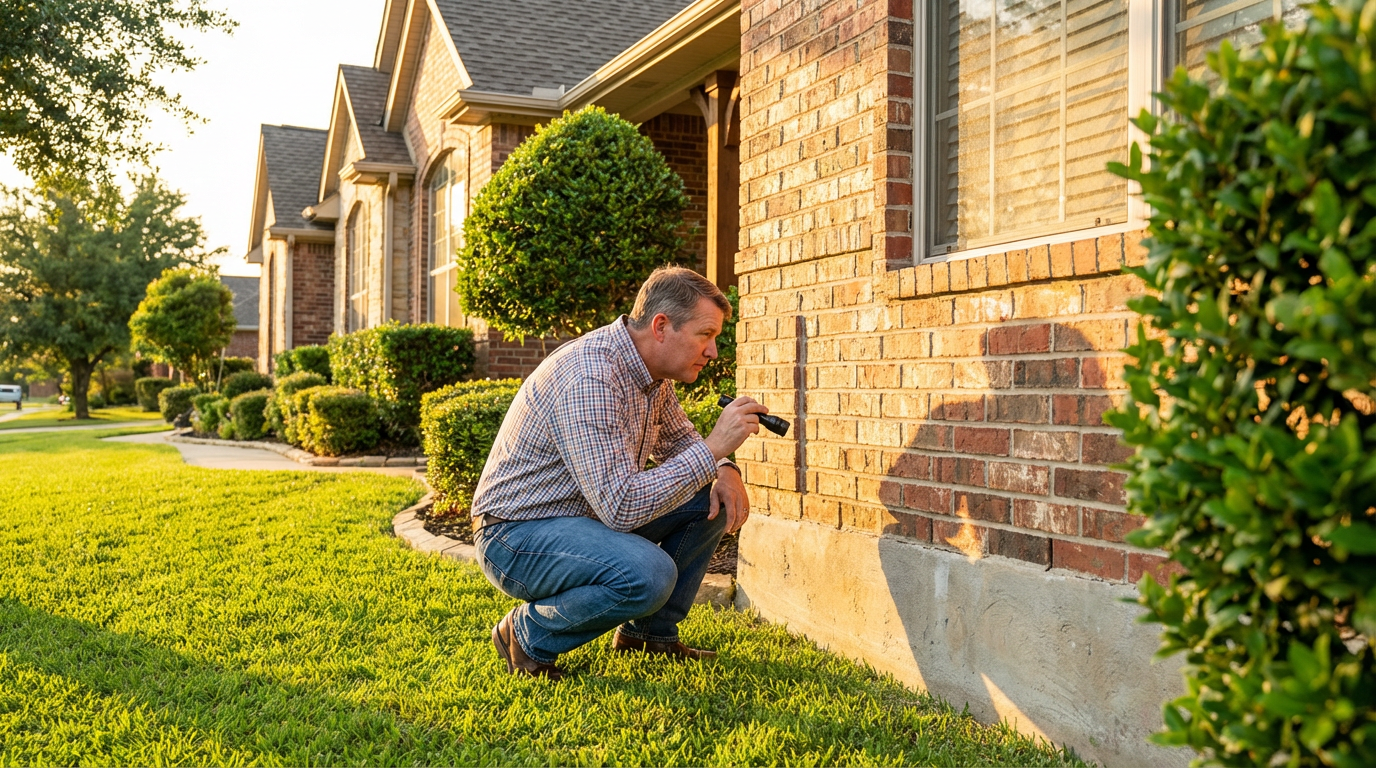
Owning a home is a point of pride—until uninvited guests start moving in. Whether it's a spring flush of sugar ants, a mysterious rustle in the attic, or the cold-sweat discovery of termite damage behind a baseboard, pest problems can escalate from minor annoyance to costly repair in a matter of weeks.
About the Author
Ella Hansen is a pest control marketing specialist at Romex Pest Control. With over a decade of experience in the industry, she leverages in-house expertise and external resources to deliver actionable pest management content. Ella holds a certification from the National Pest Management Association and frequently collaborates with experts to ensure the latest strategies are shared with homeowners. Connect with Ella on LinkedIn.
Ready to Get Started?
Free quote • No obligation • Same-day service available
Understanding Pest Control: A Regional Perspective
The good news: most infestations in Texas, Oklahoma, Louisiana, and Mississippi are preventable. After nearly a decade of treating homes across the Southern United States—from Dallas-Fort Worth and Austin to Tulsa, New Orleans, and the Mississippi Gulf Coast—our licensed team has seen exactly what works and what wastes money. This guide distills that field experience into a practical, room-by-room playbook you can start today.
If you would rather skip the learning curve, schedule a home assessment with our licensed team to pinpoint vulnerabilities and get a clear, written plan of action.
Our Company's Mission, History, and Community Involvement
Romex Pest Control has been serving the Southern United States for over a decade, committed to providing professional pest management solutions that protect families and properties. Our mission is to deliver effective, reliable, and environmentally conscious pest control services, ensuring peace of mind for homeowners. We actively participate in community events and educational programs to raise awareness about pest prevention and control.
Start with a Prevention-First Mindset
The single biggest shift in modern pest control is the move away from blanket chemical spraying toward a prevention-first approach. Instead of reacting after pests show up, you remove the three things every pest needs—food, water, and shelter—so the infestation never gets started.
A prevention-first program typically includes:
- Correct identification of the specific pest before choosing any treatment.
- Monitoring with simple tools (glue boards, bait stations, visual inspections) to catch early activity.
- Exclusion—sealing the cracks, gaps, and entry points pests use to get inside.
- Sanitation—eliminating crumbs, standing water, and harborage.
- Targeted, low-impact products applied only where monitoring shows activity, rather than broad sprays.
This approach is recommended by the EPA, every major university extension service, and every licensed technician on our team. It protects children, pets, and beneficial pollinators while delivering better long-term results than spray-and-pray.
Identify Before You Treat
Misidentifying a pest is the most common reason DIY treatments fail. A carpenter ant and an odorous house ant look similar but require very different treatments. A brown recluse and a harmless wolf spider share the same tan color but pose dramatically different risks. A flea bite on your ankle looks a lot like a mosquito bite—until the problem multiplies.
Before you reach for any product, confirm what you are dealing with:
- Look at the pattern. Flea bites cluster on ankles; bed bug bites line up along exposed skin; chigger bites appear where clothing fits tightly.
- Inspect harborage. Roaches hide under appliances; carpenter ants follow damp wood; rodents leave droppings near food sources and along wall edges.
- Use the season as a clue. Termite swarms and carpenter ants appear in spring; brown recluse activity spikes in late summer; mice move indoors in fall.
Our insect bite identification chart and pest library help you match a sighting or a bite to the likely culprit in minutes.
Defend the Kitchen: Ants and Cockroaches
The kitchen is ground zero for most household pest problems. Crumbs, grease, and moisture under the sink make it irresistible to scavengers.
 Airtight food storage removes the number-one attractant for ants, roaches, and pantry moths.
Stop Cockroaches Before They Spread
Cockroaches are famously resilient—and a public health concern. They shed allergens that trigger asthma in children and can mechanically spread bacteria like Salmonella. The two species you are most likely to fight in our service area are German cockroaches (indoor breeders) and American cockroaches (sewer roaches that wander in from outside).
Your five-point checklist for roach prevention:
- Wipe counters and stovetops nightly. Grease spatter is roach fuel.
- Store dry goods in hard plastic or glass with tight lids. Cardboard and thin plastic bags are not barriers.
- Fix dripping faucets and sweating pipes. Roaches can survive weeks without food but only days without water.
- Empty trash daily and use bins with tight-fitting lids—inside and out.
- Seal gaps around dishwashers, sinks, and stove gas lines where roaches travel between apartments or from wall voids.
If you are already seeing live roaches during daylight, the population is established and sanitation alone will not catch up. Our cockroach control service pairs targeted gel baits with insect growth regulators to break the breeding cycle.
Break the Ant Trail
When a scout ant finds a drop of honey on your counter, it lays down a pheromone trail that draws the rest of the colony within hours. Two simple tactics stop the parade:
- Erase the trail. Wipe the counters with a 1:1 mix of white vinegar and water. The vinegar disrupts the scent so followers cannot find their way back.
- Use slow-acting bait, not fast-killing spray. Sprays kill the workers you can see and mask the colony from retreating. Bait stations let workers carry a lethal dose back to the queen, which is the only way to collapse the colony.
For widespread activity or repeat invasions, a professional ant control service identifies the species (it matters—odorous house ants, fire ants, carpenter ants, and pavement ants each respond to different baits) and places them where the trail actually leads.
Protect the Structure: Termites, Carpenter Ants, and Wood-Boring Beetles
Ants and roaches are nuisances. Termites and carpenter ants are thieves—they quietly eat the structural wood in your walls and floor joists. The National Pest Management Association estimates termites alone cause more than $5 billion in property damage across the U.S. every year, and most of that damage is not covered by homeowners insurance.
Early Signs of Termite Activity
Subterranean termites—the species that causes the vast majority of damage in our region—stay out of sight inside walls, soil, and wood. Early detection relies on these four field signs:
- Mud tubes—pencil-thick brown tunnels climbing foundation walls, pier blocks, or the exterior of basement steps.
- Discarded wings near windows, doorways, and spider webs, usually after a warm spring rain.
- Hollow-sounding wood when tapped with a screwdriver handle—especially baseboards, door frames, and the wood above a damp crawl space.
- Frass (drywood termite droppings) that looks like tiny coffee-colored pellets or coarse sawdust on windowsills or baseboards.
If you spot any of these signs, contact our termite control service immediately for a professional assessment and treatment plan.
Case Studies: Success Stories in Pest Control
At Romex Pest Control, we have numerous success stories that highlight our expertise. For instance, a recent case in Dallas involved a severe termite infestation that was mitigated using our integrated pest management approach. By combining monitoring, targeted treatments, and structural repairs, we successfully eliminated the termites and prevented future infestations.
Frequently Asked Questions
What are the most common pests in Texas?
Common pests in Texas include ants, cockroaches, termites, and rodents. Each requires specific strategies for effective control.
How often should I have my home inspected for pests?
We recommend a professional inspection at least once a year, especially in regions prone to termites and other wood-destroying insects.
Are DIY pest control methods effective?
While DIY methods can address minor issues, professional services are recommended for severe infestations to ensure comprehensive treatment and prevention.
Conclusion
Effective pest control requires a combination of prevention, identification, and professional intervention. By understanding the specific needs and behaviors of pests common to your region, you can protect your home and family from unwanted invaders. For personalized advice and services, contact Romex Pest Control today.