
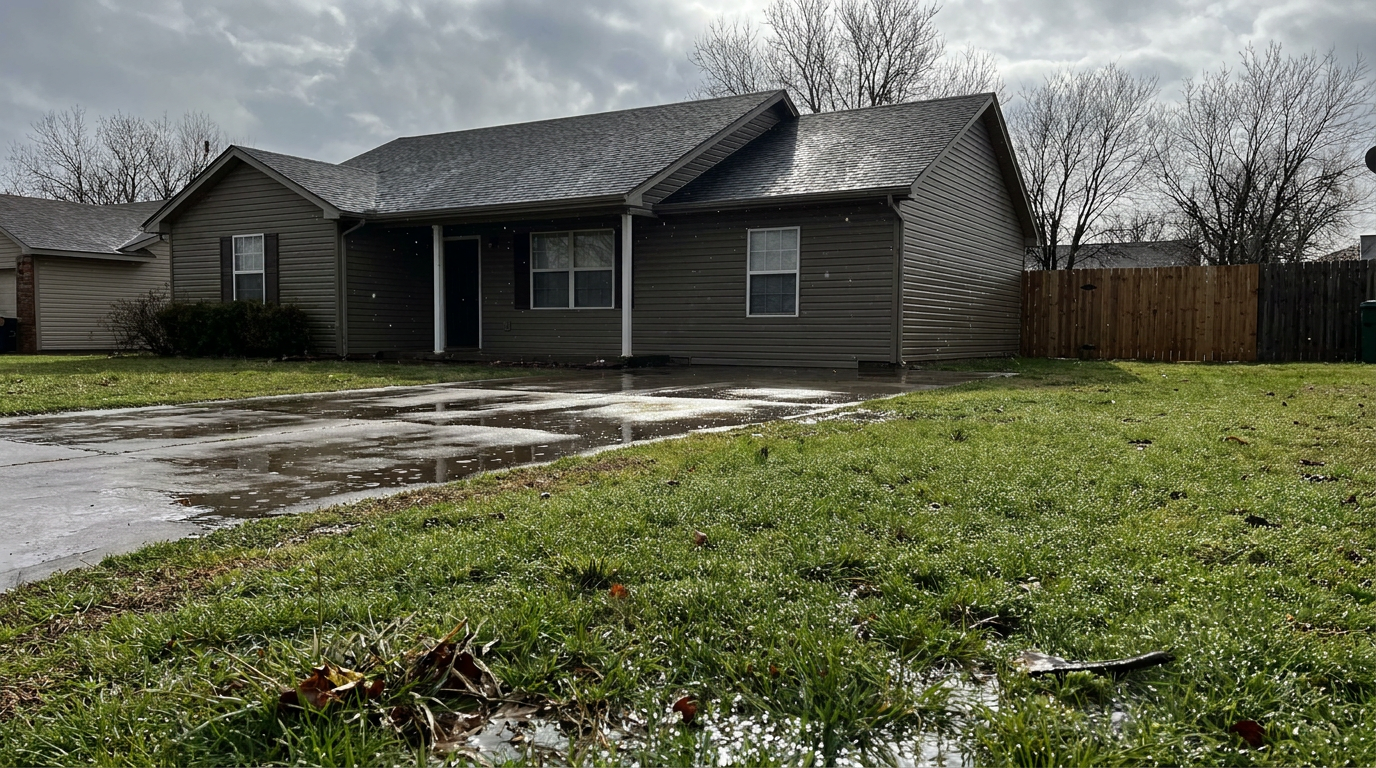
Oklahoma's storm season, spanning from April through June, is notorious for severe weather events such as thunderstorms, tornadoes, hail, and flash flooding. These conditions often drive pests indoors: saturated ground pushes subterranean insects to the surface, flooding displaces rodents and snakes, humidity spikes fuel cockroach and mosquito populations, and structural damage opens new entry points. According to the CDC, climate change is exacerbating these conditions, leading to more frequent and severe pest surges.
Romex Pest Control adapts its treatment plans for storm-affected properties, but the window between the storm and the next scheduled visit is where homeowners play the biggest role. Here's your comprehensive before-and-after playbook.
Before the Storm: Preparation Checklist
You can't prevent an Oklahoma storm, but you can minimize the pest fallout:
- Clear yard debris. Fallen branches, leaf piles, and construction materials become instant pest harborage after a storm. Clear them beforehand so you're not adding to the problem.
- Secure trash cans. High winds scatter garbage across yards, creating food sources for rodents and roaches.
- Check your sump pump. If your home has a crawl space or basement, verify the sump pump works before heavy rain. Standing water in a crawl space is the single fastest way to attract pests.
- Seal accessible entry points. Any gap you can close before the storm is one fewer path for displaced pests to use during it.
- Move firewood away from the house. Wet firewood against the foundation is a termite and carpenter ant magnet.
Ready to Get Started?
Free quote • No obligation • Same-day service available
After the Storm: Recovery Steps
Within 24 Hours
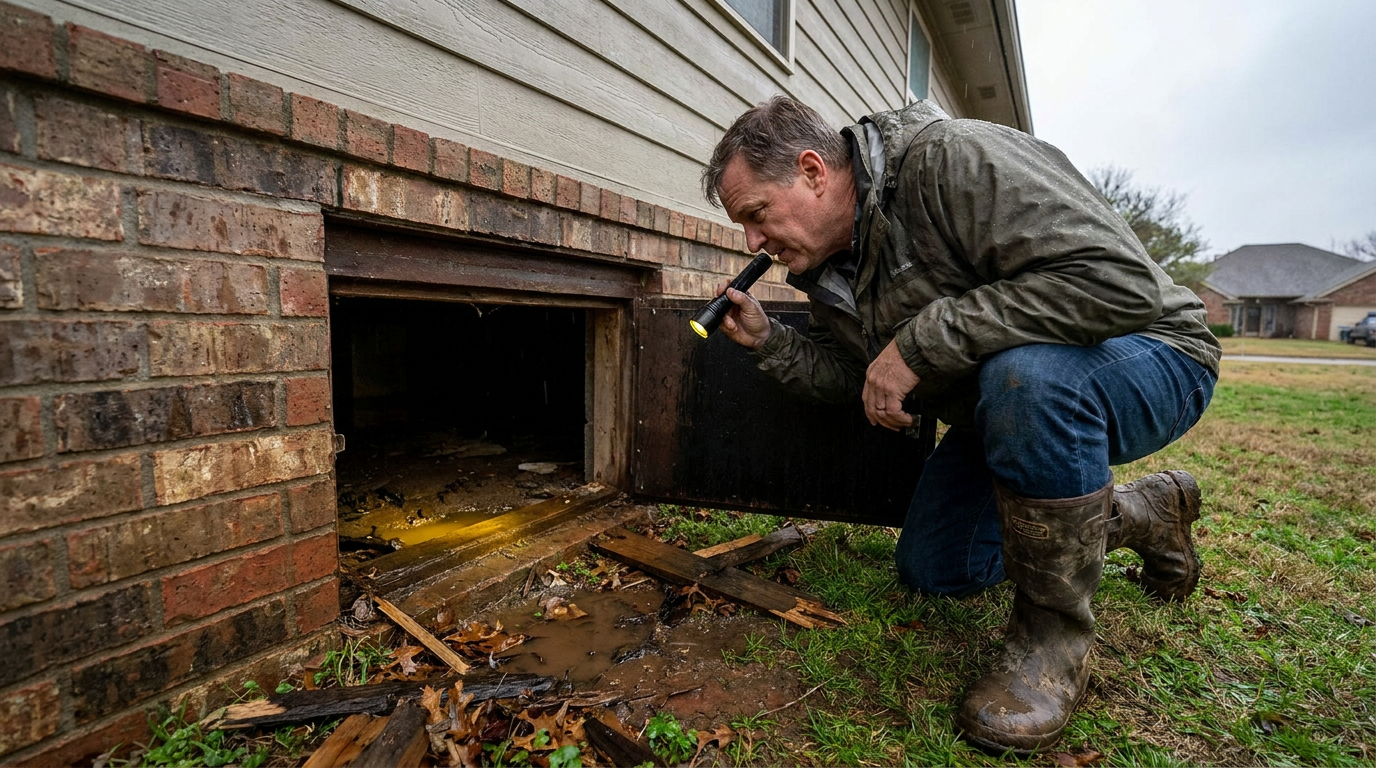
- Inspect the foundation perimeter. Look for new cracks, shifted mortar, or gaps where the slab meets the brick. Storm-related ground shifting in Oklahoma's clay soils can open entry points overnight.
- Check crawl spaces and attics. Look for standing water, wet insulation, and signs of rodent or snake entry. Use a flashlight—don't reach into dark spaces.
- Drain standing water. Every puddle, every container, every depression in the yard. Mosquitoes can begin breeding within 48 hours of standing water.
Within 72 Hours
- Clear storm debris from the foundation. Wet leaves, branches, and mud pushed against your home create moisture bridges that pests follow indoors.
- Run dehumidifiers. If any part of your home got wet, bring humidity down fast. Cockroaches, silverfish, and centipedes thrive in post-storm humidity.
- Call Romex if you see new activity. Post-storm pest surges happen fast. If you notice ants, roaches, or rodents that weren't there before, don't wait for your next scheduled visit—Romex includes free re-service between appointments for exactly this situation.
Case Studies: Real-World Interventions
At Romex Pest Control, we have successfully managed post-storm pest surges in numerous Oklahoma homes. For example, after a severe storm in Norman, our team quickly identified and sealed new entry points, preventing a potential rodent infestation. Our technicians are trained to adapt strategies based on real-time conditions, ensuring effective pest control.
In another instance, a homeowner in Tulsa faced a significant mosquito surge post-storm. By implementing targeted treatments and advising on water drainage, we reduced the mosquito population by 80% within a week.
Long-Term Pest Prevention Strategies
- Regular Inspections: Schedule bi-annual inspections to catch potential issues early.
- Integrated Pest Management (IPM): Combine cultural, physical, and chemical tools to manage pest populations sustainably. According to the EPA, implementing IPM can reduce pest populations by up to 90% when combined with regular inspections.
- Landscaping Adjustments: Maintain a pest-resistant landscape by trimming vegetation and ensuring proper drainage.
Understanding Local Pest Types
In Oklahoma, common pests include termites, ants, and rodents. Each requires specific strategies for control:
- Termites: Regular inspections and soil treatments are crucial.
- Ants: Baiting and barrier treatments help manage colonies.
- Rodents: Sealing entry points and using traps effectively control populations.
For more information on pest control services, visit our residential services page.
Engaging with Experts
Romex Pest Control collaborates with local weather agencies and pest control authorities to stay updated on the latest developments. Our team regularly attends industry conferences and training sessions to enhance our expertise.
We are proud members of the National Pest Management Association (NPMA), which provides guidelines and certifications for best practices in pest control.
About Us
Founded in 2016, Romex Pest Control has been serving Texas, Oklahoma, Louisiana, and Mississippi with professional pest management solutions. Our mission is to provide effective, reliable, and customer-focused pest control services. We are committed to continuous learning and improvement, ensuring we offer the best solutions for our clients.
Our team includes certified pest control technicians who undergo regular training to stay updated with the latest pest control technologies and methods.
Frequently Asked Questions
- How soon should I contact a pest control service after a storm? Ideally, within 72 hours to prevent pest establishment.
- What are the signs of a pest infestation? Look for droppings, chewed materials, and unusual noises.
- Can I handle pest control on my own? While DIY methods can help, professional services ensure comprehensive treatment.
Contact Us
For more information or to schedule a service, contact Romex Pest Control at 405-288-1980 or visit our residential services page.
Summary
Preparing for Oklahoma's storm season involves proactive measures to minimize pest intrusion. By clearing debris, securing entry points, and monitoring moisture levels, homeowners can significantly reduce pest risks. Post-storm, quick action to inspect, drain, and dehumidify is crucial. Romex Pest Control offers tailored solutions to address storm-related pest issues, ensuring your home remains protected.