
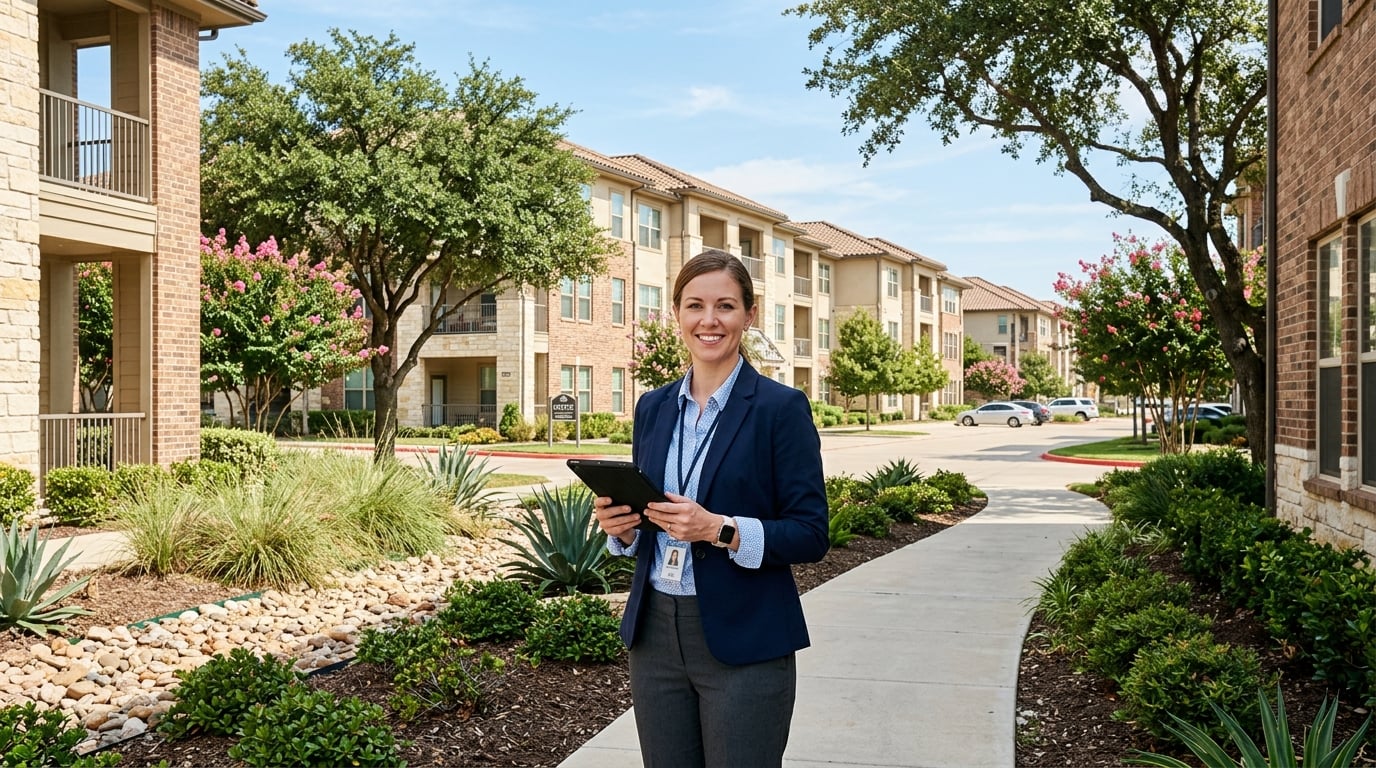
Managing rental properties in Texas involves balancing tenant satisfaction, budgets, and legal responsibilities. Pest control is a critical component that intersects all three. A single pest complaint can lead to negative online reviews, habitability disputes, or prolonged vacancies. This guide provides property managers with essential knowledge, including legal obligations under Texas law, a prevention-first approach to keep units pest-free, and strategies to protect your reputation and bottom line.
Table of Contents
- Why Pest Control Is a Property Manager's Responsibility
- Understanding Texas Landlord Pest-Control Law
- A Prevention-First IPM Approach for Multi-Family Properties
- Who Does What: Roles & Responsibilities
- When to Call a Professional
- Case Studies of Successful Interventions
- Conclusion
- Frequently Asked Questions
- Author Information
Ready to Get Started?
Free quote • No obligation • Same-day service available
Why Pest Control Is a Property Manager's Responsibility
Under Texas law, landlords and their management companies are responsible for maintaining rental units fit for habitation, which includes addressing infestations that affect health and safety. Pests are not just a nuisance; they pose compliance, marketing, and retention challenges.
Consider the costs of an unaddressed pest problem:
- Reputation damage: Prospective renters read reviews. Complaints like “Roaches everywhere” can significantly impact occupancy rates.
- Legal exposure: Ignored infestations can lead to habitability claims and rent-withholding disputes.
- Turnover costs: Pests can spread between units, leading to building-wide treatment bills and lost rent during vacancies.
Proactive property managers treat pest control as preventive maintenance rather than an emergency response. Our property management pest control program is designed around this proactive model.
Did You Know? According to the CDC, pests such as cockroaches and rodents can trigger asthma and allergies, making pest control a health priority. (CDC)
Understanding Texas Landlord Pest-Control Law
Texas does not have a specific statute mandating landlords to exterminate pests. Instead, the responsibility arises from the broader duty to maintain habitable conditions. Here's a simplified explanation of what matters most.
The Duty to Repair Conditions Affecting Health & Safety
Under Texas Property Code § 92.052, landlords must make diligent efforts to repair or remedy conditions that materially affect the physical health or safety of tenants, provided the tenant has given proper written notice and is not delinquent on rent. Serious infestations, such as roaches or bed bugs, can fall into this category.
Written Notice and the Chance to Cure
The process begins when a tenant provides written notice of the problem. The landlord is then expected to make a diligent effort to fix it within a reasonable time. Documenting when notice was received and how quickly you responded is crucial for protection in case of disputes.
Repair-and-Deduct and Other Tenant Remedies
If a landlord fails to act, Texas Property Code § 92.0561 allows tenants to arrange repairs themselves and deduct the cost from rent under specific conditions and dollar limits. Other remedies include lease termination or seeking a court order. Prompt response is almost always more cost-effective than alternatives.
When the Tenant Causes the Problem
Responsibility can shift if an infestation results from a tenant's conduct, such as poor sanitation or bringing in infested furniture. Lease language and inspection documentation are important, which is why a well-run program pairs treatment with clear records.
Did You Know? Texas Property Code § 92.052 requires landlords to make a “diligent effort” to repair conditions affecting a tenant's health or safety after receiving written notice. This standard applies to serious pest infestations. (Texas Property Code, Chapter 92)
Note: Romex serves Texas, Oklahoma, Louisiana, and Mississippi. The framework above is Texas-specific. Always confirm the rules in your state. This article is general information, not legal advice.
For a tenant-side perspective, see our companion guide on apartment pest control and tenant rights in Texas.
A Prevention-First IPM Approach for Multi-Family Properties
The most cost-effective pest program focuses on removing conditions pests need to survive, rather than excessive spraying. This is the core of Integrated Pest Management (IPM), especially effective in multi-family settings where pests travel between units.
1. Monitoring & Inspection
Regular inspections catch problems early. Scheduled walkthroughs of common areas, mechanical rooms, and turnover units create a baseline and flag hot spots.
2. Exclusion & Sealing
Sealing gaps around pipes, doors, and foundations prevents pest entry. Mice can slip through gaps as small as a quarter inch.
3. Moisture Control
Fixing plumbing leaks and keeping crawl spaces dry removes primary attractants for pests like cockroaches.
4. Sanitation & Waste Management
Managing dumpster areas and shared kitchens with tight-fitting lids and regular cleaning reduces pest pressure.
5. Targeted, Low-Impact Treatment
Modern IPM favors precise applications over broad spraying. Romex offers tested and approved treatment options that are effective and considerate of residents.
6. Resident Cooperation
Tenant buy-in is crucial. Providing move-in guidance and easy reporting channels helps prevent small issues from becoming widespread.
Professional Tip from Romex Technicians: Treat every unit turnover as a free inspection opportunity. An empty unit is the easiest time to spot and address pest entry points before a new resident moves in.
For a ready-to-use tool, download our free, printable Property Manager's Pest Prevention Checklist.
Who Does What: Roles & Responsibilities
Clear ownership prevents gaps that allow infestations to grow. Here's how responsibilities typically break down:
- Property Manager: Schedules service, responds to complaints, documents notice and response times, and communicates with residents.
- Maintenance Team: Handles exclusion, fixes moisture issues, preps units for treatment, and inspects during turnover.
- Residents: Maintain sanitation, report issues in writing, and cooperate with scheduled treatments.
- Romex (your pest partner): Performs inspections and treatments, provides documentation, recommends structural fixes, and offers portfolio-wide scheduling.
When to Call a Professional
DIY sprays can worsen infestations by scattering pests. Call a licensed professional when you see:
- Complaints from multiple units or recurring issues
- Signs of bed bugs, German cockroaches, or rodents
- Droppings or gnaw marks in common areas
- Evidence of prior pest activity during unit turnover
- Written tenant complaints
Romex is TDA-licensed and has served Texas and neighboring states since 2016, offering portfolio-wide scheduling for property managers.
Case Studies of Successful Interventions
Romex Pest Control has successfully managed pest issues in various multi-family properties across Texas. For instance, in a recent case involving a large apartment complex in Dallas, our team implemented an IPM strategy that reduced pest complaints by 60% within six months. This involved sealing entry points, regular inspections, and educating residents on prevention techniques.
Another successful intervention in Houston involved addressing a severe bed bug infestation. By using targeted treatments and resident cooperation, the infestation was eradicated within three treatment cycles, significantly improving tenant satisfaction and retention.
Conclusion
Pest control for rental properties is about risk management, reputation protection, and resident retention. Understand your obligations, lead with prevention, define roles, and partner with a professional who documents everything. This approach turns pests from emergencies into manageable operations.
Ready to protect your properties? Request a portfolio quote from Romex Pest Control for a proactive program tailored to your buildings.
Frequently Asked Questions
Is the landlord or the tenant responsible for pest control in Texas?
In most cases, the landlord is responsible for maintaining habitable conditions, which includes addressing pest issues unless caused by tenant negligence.
What types of pests are most common in Texas rental properties?
Common pests include roaches, bed bugs, rodents, and termites. Each requires a specific approach to management and prevention.