

Living through a Texas summer means dealing with fire ants and mosquitoes. Our field teams treat thousands of properties each summer, and the pattern is consistent: fire ant mounds appear after rain, and mosquitoes are active after dusk. From May through September, these pests dominate the landscape across DFW, Austin, San Antonio, Houston, and surrounding areas.
Managing summer pest pressure is predictable with a partnership approach. Here's the seasonal game plan: what Romex handles, what you handle, and how the two work together.
Fire Ants: The Romex Side
Romex treats fire ant colonies with broadcast granular bait and targeted mound treatments as part of your recurring service. Bait products work by exploiting the colony's food-sharing behavior—worker ants carry the bait back to the queen, collapsing the colony from the inside over 7 to 14 days. According to the EPA, these methods are tested and approved for effectiveness.
During summer, your technician increases focus on fire ant activity during each visit, especially after rain events that trigger new mounding. Properties with heavy fire ant history may benefit from every-other-month service through the summer months rather than quarterly.
Your Part: Fire Ants
- Don't disturb mounds between visits—disturbed colonies split and relocate, creating more mounds.
- Report new mounds to your technician, especially near high-traffic areas (play equipment, garden paths, pet areas).
- Keep grass mowed regularly—shorter turf makes mounds visible and easier to treat.
Ready to Get Started?
Free quote • No obligation • Same-day service available
Mosquitoes: The Romex Side
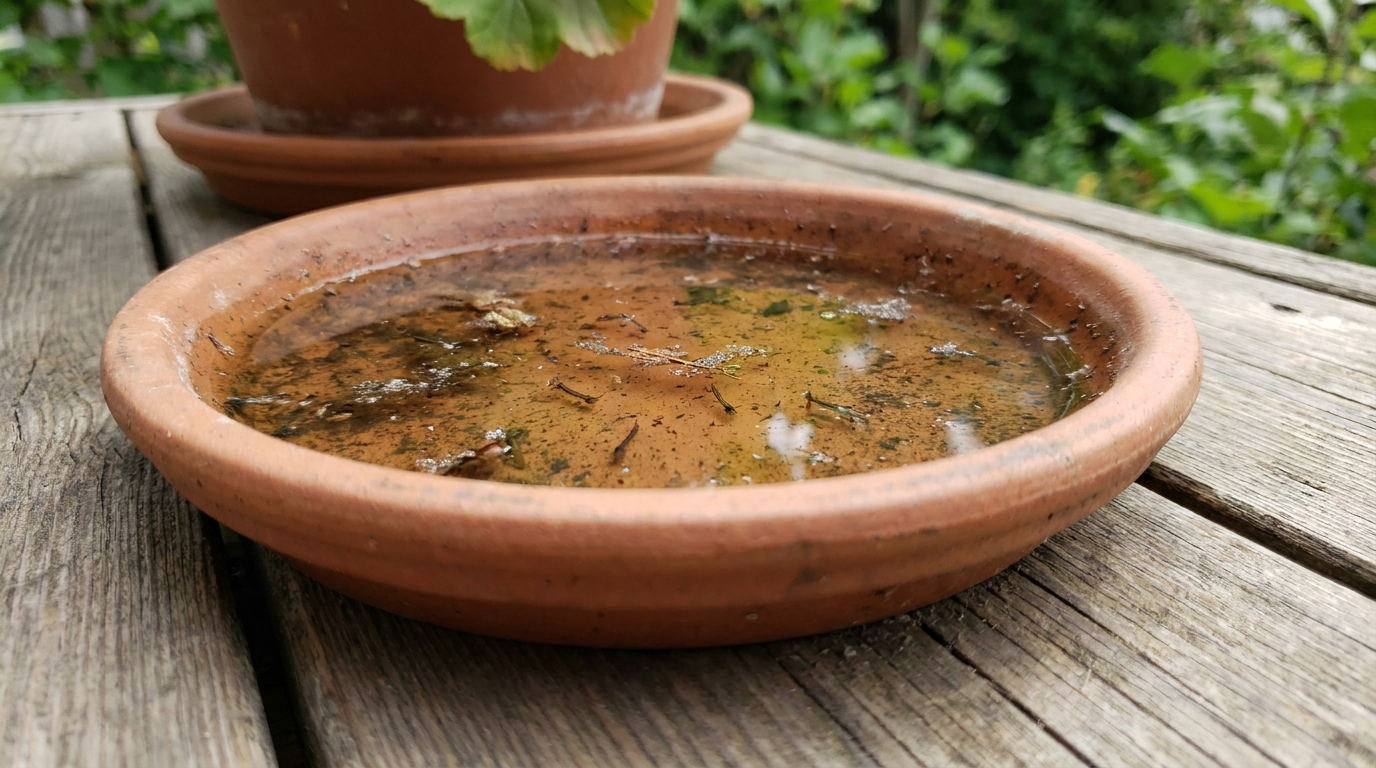
The Yard Guard mosquito program targets the shaded, moist areas where adult mosquitoes rest during the day—under decks, along fence lines, in dense shrubs, and around tree canopies. Romex applies residual products to these harborage zones, significantly reducing adult mosquito populations in your yard. The CDC emphasizes the importance of controlling mosquito populations to prevent disease spread.
But here's the catch: if mosquitoes are breeding on your property, the adult treatment alone can't keep up. That's where your half of the partnership is critical.
Your Part: Mosquitoes
- Dump standing water weekly. Saucers, old tires, clogged gutters, kids' toys, tarps—anything that holds water for more than 5 days can produce mosquitoes.
- Change birdbath water every 2–3 days.
- Keep swimming pools chlorinated and circulated (stagnant pools breed mosquitoes fast).
- Clear leaf debris from gutters—clogged gutters are hidden breeding factories on every roof.
- Report areas of persistent standing water to your technician (drainage issues, neighbor's unmaintained pool, etc.).
Community Involvement and Education
Romex is committed to community education and involvement. We regularly host workshops and informational sessions on pest management and prevention. Our team also participates in local environmental initiatives to promote sustainable practices in pest control.
Company History and Achievements
Founded in 2005, Romex Pest Control has grown to become a leader in the pest control industry across Texas, Oklahoma, Louisiana, and Mississippi. Our innovative approaches and commitment to customer satisfaction have earned us recognition from the National Pest Management Association. Our technicians are certified and trained in the latest pest management techniques, ensuring you receive the highest standard of service.
FAQ
- How often should I schedule pest control services in the summer?
- For properties in high-risk areas or with a history of pest issues, we recommend every-other-month service during summer.
- What precautions should I take with pets and children?
- All-natural options are available on request. Whatever the treatment, our licensed technicians use EPA-registered products applied according to label directions and explain the precautions for your household.
- What should I do if I see new pest activity between visits?
- Contact your Romex technician to report new activity. We can adjust your service plan as needed.
Impact on Local Ecosystems
Pest control is crucial for maintaining a balanced ecosystem. While managing pest populations, it's important to consider the impact on local wildlife and plants. Romex uses methods that are tested and approved to minimize ecological disruption while effectively targeting pests. According to a Texas A&M University study, fire ants cause over $1 billion in damage annually in Texas alone, highlighting the importance of effective management strategies.
Professional Tip
Always consult with a pest control professional before attempting DIY treatments, as improper handling can exacerbate pest issues. According to the National Pest Management Association, professional intervention is often more effective and safer than DIY methods.
Did You Know?
According to a Texas A&M University study, fire ants cause over $1 billion in damage annually in Texas alone.
Ethical Practices and Sustainability
Romex Pest Control is dedicated to ethical practices and sustainability. We prioritize environmentally responsible methods and continuously seek ways to reduce our ecological footprint. Our participation in local environmental initiatives reflects our commitment to sustainable pest management.