
Understanding the Need for Early Pest Control Check-Ins
Recurring pest control services are typically scheduled at regular intervals. However, unforeseen circumstances such as weather changes, nearby construction, or seasonal shifts can disrupt this schedule. When these events occur, waiting for the next scheduled visit might exacerbate a minor issue into a significant problem.
At Romex Pest Control, we offer free re-service between scheduled appointments if pest activity breaches your protective barrier. Here are five signs that indicate it's time to contact us for an early check-in.
Ready to Get Started?
Free quote • No obligation • Same-day service available
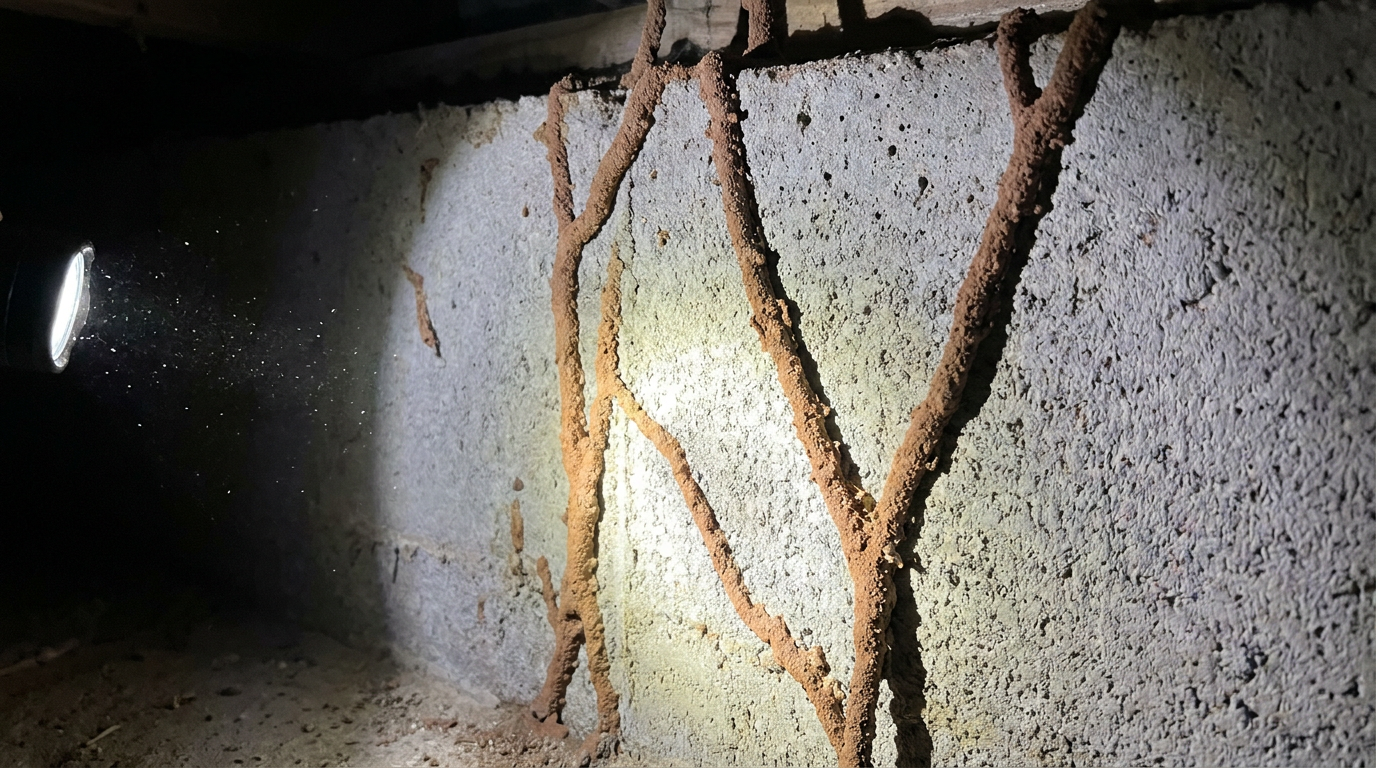
1. New Mud Tubes on Your Foundation
Mud tubes are a clear indicator of subterranean termite activity. These narrow, brownish tunnels can appear on foundation walls or piers. If you notice new tubes that were not present during the last inspection, it is crucial to call us immediately. According to the National Pest Management Association, termites cause over $5 billion in property damage annually in the U.S. Quick action can prevent extensive damage.
2. Droppings in New Locations
Finding small, dark droppings along baseboards, in cabinet corners, or behind appliances can indicate rodent activity. Similarly, cockroach droppings, which resemble ground pepper, near water sources suggest a growing infestation. If these signs appear in previously clear areas, contact us immediately. The CDC reports that rodents can carry more than 35 diseases, making prompt action essential.
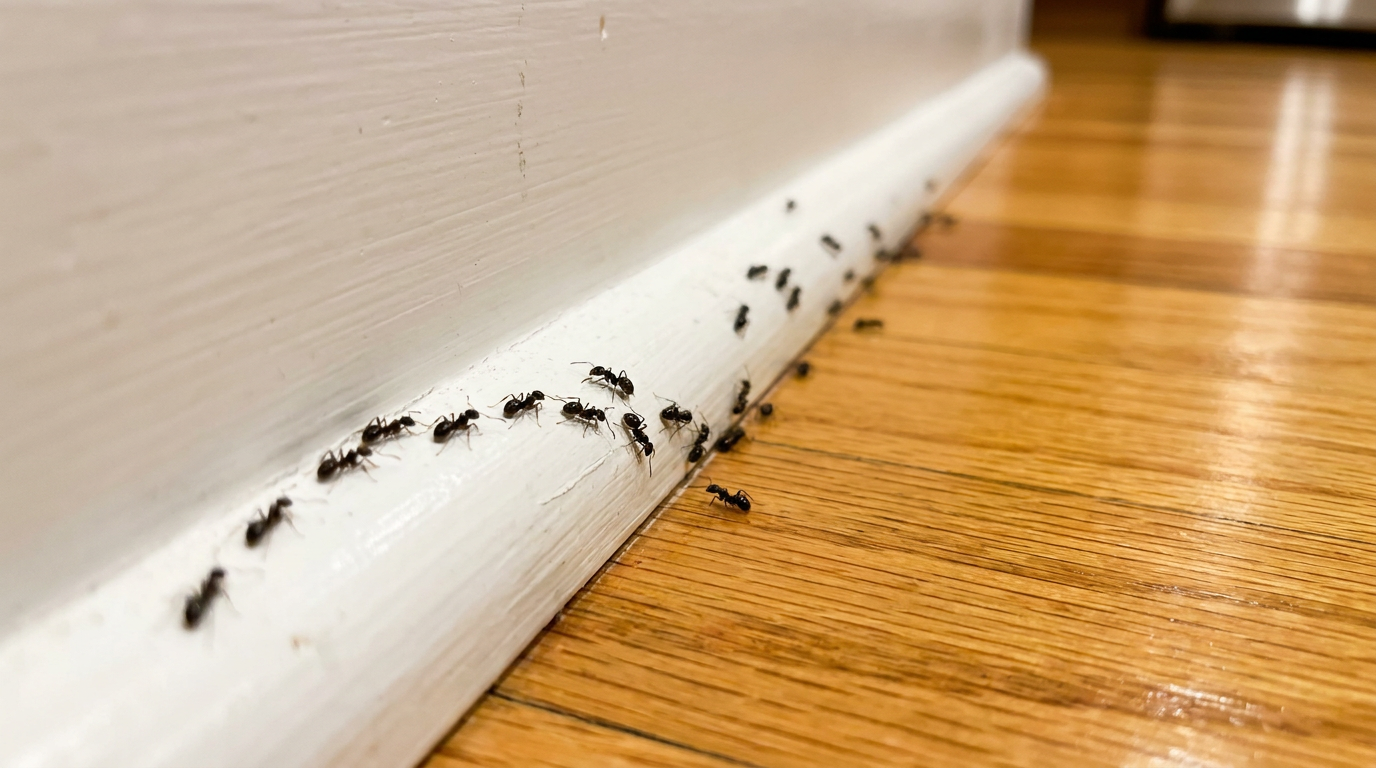
3. Indoor Ant Trails That Don't Respond to Cleaning
If you notice a persistent trail of ants in your home, especially if cleaning does not deter them, it suggests a colony has established a foraging route. This is often due to outdoor conditions pushing colonies indoors. Inform your technician about the trail's start and end points to target the entry and attractant effectively.
4. Unusual Odors
Strange smells in your home can be a sign of pest infestations. A musty, oily smell may indicate cockroaches, while a urine-like odor could signal rodents. A sweet, musty scent might mean a hidden wasp or bee nest. If you detect new and unpleasant odors, especially in enclosed spaces, it's time to call us.
5. Live Pests Indoors During Daylight
Seeing pests like cockroaches, spiders, or rodents during the day often indicates a large population. Most pests are nocturnal, so daytime sightings suggest competition for resources is forcing them into the open. Early intervention can prevent a larger infestation.
How to Report What You See
When contacting us, provide the following details to help your technician prepare:
- What: Describe the pest or sign as specifically as possible.
- Where: Specify the location, such as the room or exterior area.
- When: Note the time of day and frequency of sightings.
- How many: Indicate whether it's a single pest, a trail, or a swarm.
- Changes: Mention any recent changes in your home, such as renovations or storm damage.
This information allows us to address the issue efficiently.
Don't Wait — The Callback Is Included
Our free re-service policy is designed to address unpredictable pest pressures. Utilizing this service is a proactive step, not an indication of failure. Prompt action minimizes the effort required to restore your home's pest-free status.
FAQ
- What should I do if I see a pest between visits?
- Contact us immediately with details of your observation. Our team will assess the situation and determine if an early visit is necessary.
- Are your treatments tested and approved for homes with pets and children?
- Yes, our treatments are professionally tested and approved for use in homes with pets and children. Always follow the technician's guidance for safety.
Professional Tip
Regularly inspect your home's exterior for cracks and gaps. Sealing these can prevent pests from entering and reduce the need for frequent treatments.
Did You Know?
Texas, Louisiana, Oklahoma, and Mississippi have some of the highest pest pressures in the country due to their warm climates. Regular pest control is essential to maintaining a pest-free home.
Company History and Achievements
Romex Pest Control has been serving Texas, Oklahoma, Louisiana, and Mississippi since 2016. Our commitment to excellence is reflected in our numerous industry awards and certifications, including recognition from the National Pest Management Association.
Case Studies: Successful Pest Control Interventions
In Dallas, TX, a homeowner reported persistent ant trails that were resistant to cleaning. Our team identified the source as a nearby construction site disturbing the ant habitat. By implementing targeted baiting and sealing entry points, we successfully eliminated the infestation.
In Baton Rouge, LA, a family experienced unusual odors in their attic. Our inspection revealed a hidden wasp nest, which we safely removed, restoring the home's comfort.
Climate Impact on Pest Control
The warm and humid climates of Texas, Louisiana, Oklahoma, and Mississippi create ideal conditions for pests like termites, ants, and cockroaches. Seasonal changes can exacerbate these issues, making regular pest control essential for maintaining a safe and comfortable home environment.
Local Pest Species and Control Techniques
Common pests in our service areas include the Formosan termite, red imported fire ant, and American cockroach. Our techniques include integrated pest management (IPM) strategies, which combine monitoring, baiting, and exclusion methods to effectively manage pest populations.
Key Takeaways
- Monitor for new signs of pest activity, such as mud tubes and droppings.
- Report unusual odors and daytime sightings of pests promptly.
- Utilize Romex's free re-service policy for early intervention.
- Regular inspections and sealing of entry points can prevent infestations.